

Hot Springs, Nature Hikes, and Scenic Cycling in Taitung
TEXT | SIMON FOSTER
PHOTOS | VISION
Framed by mountains and the Pacific, Taitung is a land of mesmerizing natural beauty. Improved transport links with the rest of the island have made the county more accessible, but this has also presented challenges to the environment. In this article, we’ll explore sustainable ways to travel in southeast Taiwan, from cycling and hiking to soaking in hot springs!
Vakangan Hot Spring Park
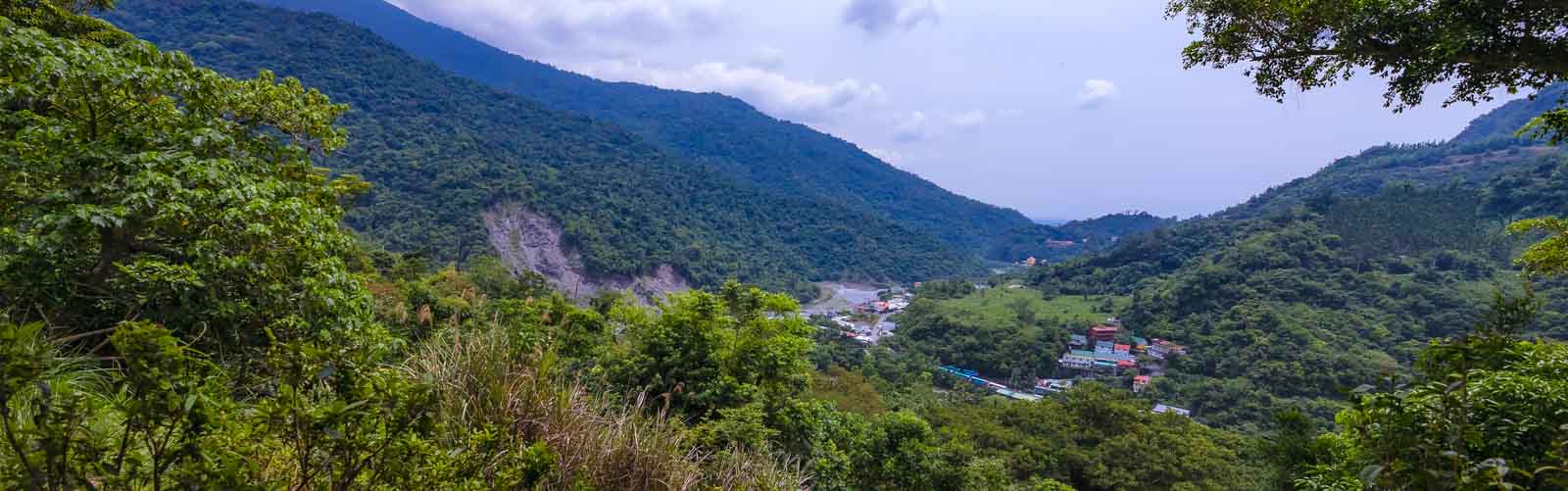
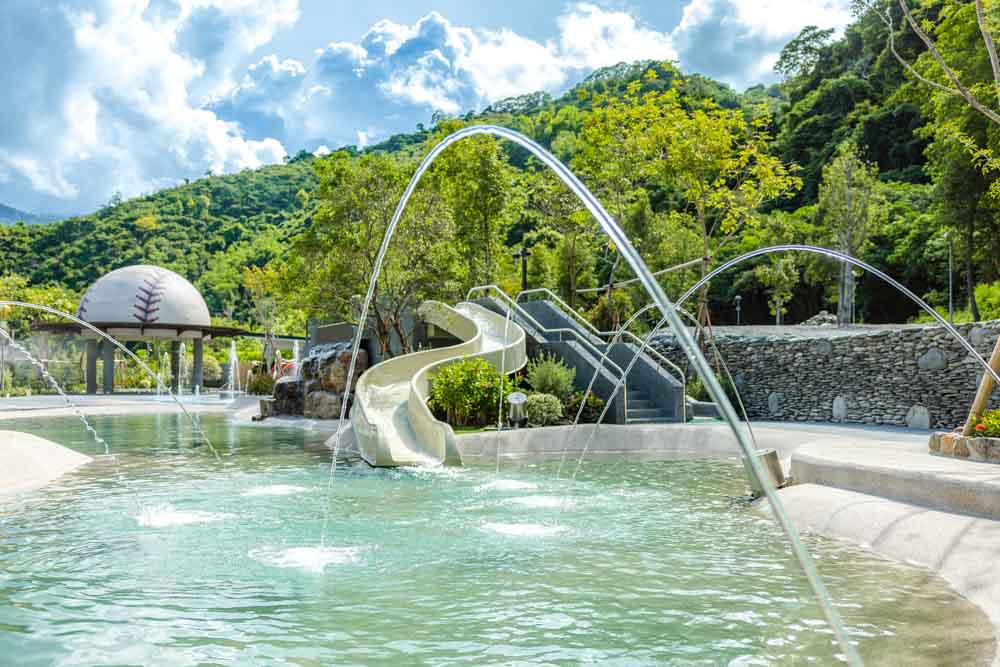
Less than an hour’s drive from Taitung City, Vakangan Hot Spring Park is an excellent example of how sustainable travel can benefit the environment, local communities, and visitors alike. Completed in 2022, the park’s management is committed to sustainable practices, from the application of geothermal energy and recycling of water resources to the use of seasonal, organic ingredients in the site’s restaurant and the professional training of local-area staff.
“Vakangan” is the Bunun people’s name for the village of Hongye, which became famous for its Little League baseball team that won, against all odds, a game against an all-star youth team from Japan in 1968. This win was a key catalyst in the nationwide love for the game of baseball in Taiwan that endures to this day. Hongye is also known for its wild sodium bicarbonate hot springs, located along the Beisijiu River.
Taitung has excellent potential for the development of geothermal power, and Vakangan showcases how this can work in practice. Drilling down to 1,700 meters, superheated water can be used for electricity generation, heating houses, drying agricultural products, and, of course, creating soothing hot springs! An information room at the park entrance explains the basics of geothermal energy, and for groups of more than 10, Vakangan can arrange guided tours of the entire facility (40 min; NT$250 per person).
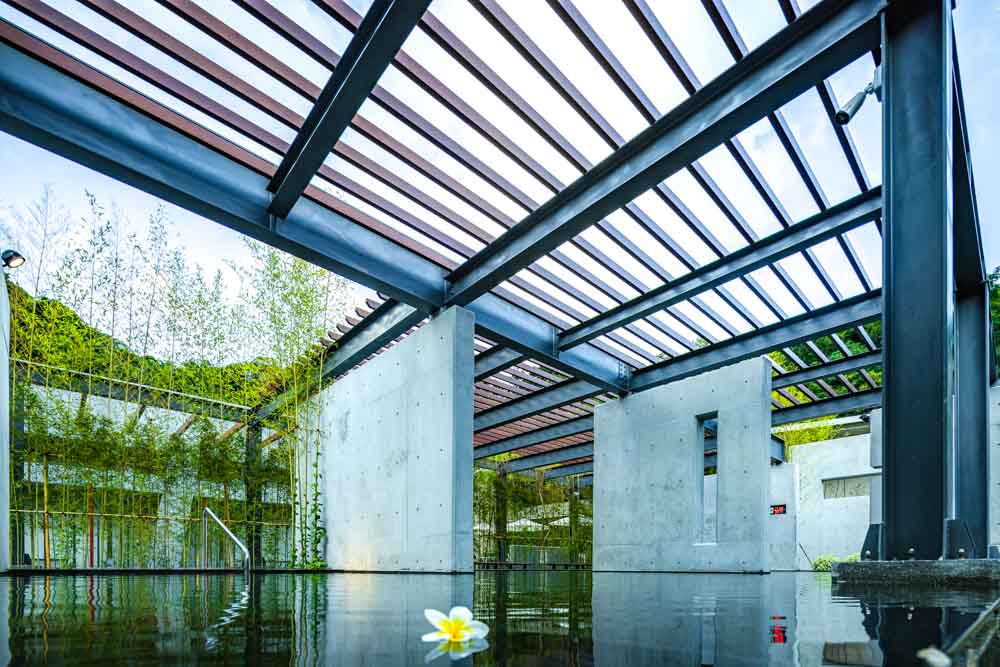
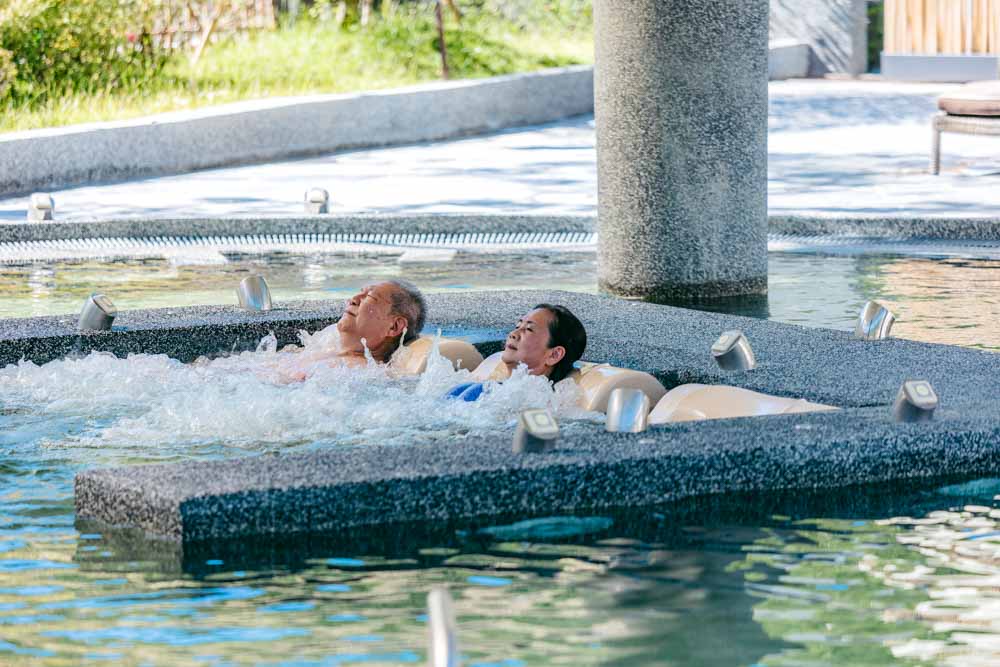
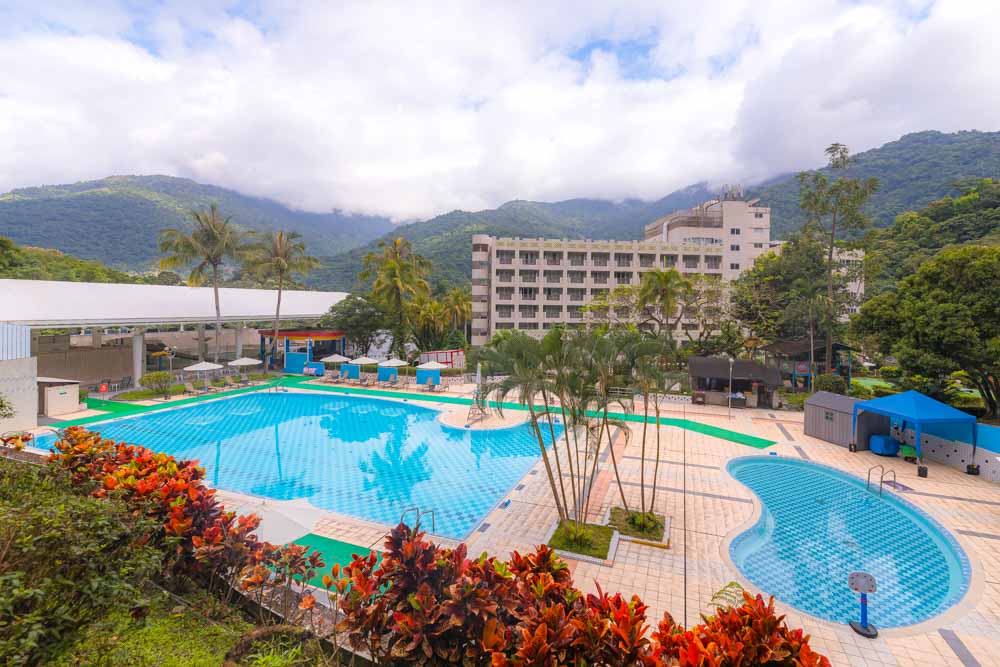
Without your own transport, the easiest way to get here is by taxi from Luye Railway Station. The spectacular drive up the river valley sets the scene for the serenity of the springs themselves. Pools of different temperatures are spread across the park, thoughtfully divided into private nooks by beautifully manicured gardens and elegant concrete screens. The biggest pools offer high temperatures (40°C+), but there is also a large cooler aquatherapy pool with powerful jets. A refreshingly cool kids’ pool can also take the edge off the heat after time in the hotter pools. Comfortable seating areas, clean and well-maintained shower facilities, and complimentary herb-infused drinking water complete the scene.
After your soak, enjoying a meal at the park restaurant is recommended. It features an alluring array of dishes spanning Bunun, Hakka, and even Thai cuisine, all prepared using locally sourced organic produce (NT$300-400 per person; last orders 8pm). There’s also a shop with a well-curated selection of local products, including Hongye-theme schoolbags, Luye tea, and rice-extract exfoliating scrub!
Vakangan Hot Spring Park | 紅葉谷綠能溫泉園區
Add: No. 121, Honggu Rd., Hongye Village, Yanping Township, Taitung County
(台東縣延平鄉紅葉村紅谷路121號)
Tel: (03) 831-6272
Hours: Wed-Mon 11am-9pm
Fee(adults): NT$399 weekdays (NT$500 weekends)
Website: www.vakangan.com
Jhihben National Forest Recreation Area
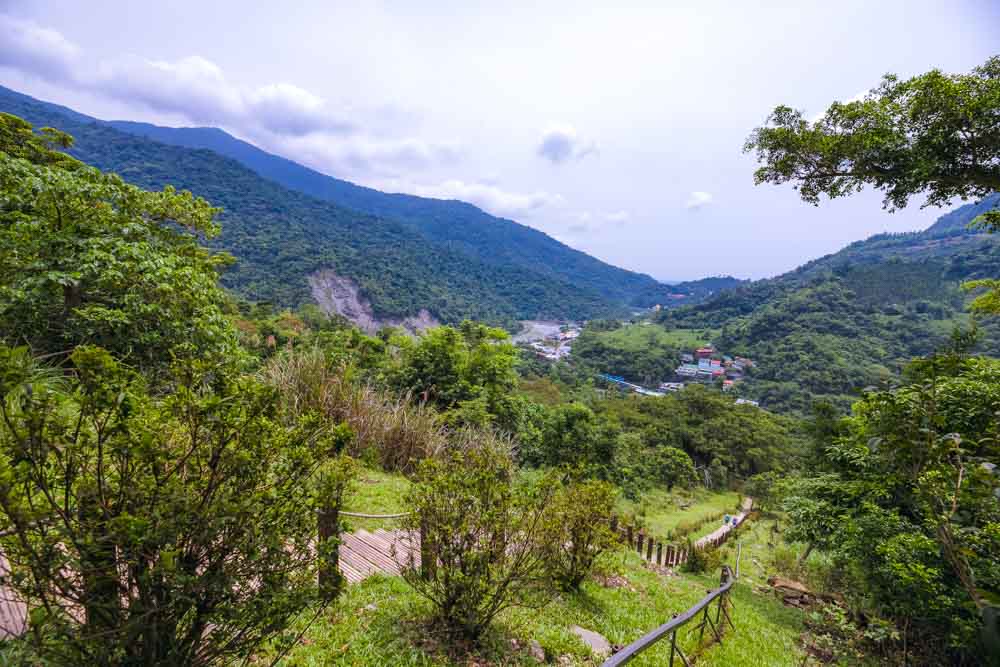
Set in a lush river valley southwest of Taitung City, the Jhihben National Forest Recreation Area offers relaxed hikes through pristine forest with giant banyans, creeks, and waterfalls, along with wildlife-spotting opportunities. The tropical rainforest was logged for cedar and cypress during the Japanese colonial era in the early 20th century, but thankfully, attention shifted to conservation in the 1960s. The forest recreation area is half an hour’s drive from the city, and can be reached by taxi or bus No. 8129 from the Taitung Bus Station (in central Taitung City) and from Zhiben Railway Station.
Pick up a trail map at the ticket office and walk uphill on the main path (or walk up the stairs) to the Visitor Center, where you’ll also find Hoobi Café, which serves coffee, bagels, and light meals. Behind the Visitor Center, the Jhihben Herb Garden displays over 50 species of herbs.
The recreation area ranges in elevation from 110 to 650 meters above sea level, and the most challenging walk involves lots of steps – 838, on the Brave Climber’s Trail. The Forest Trail can be combined with the Jasmine Orange Tree Trail and the Banyan Shaded Trail to make for an excellent couple of hours of hiking. This route involves some steep sections, but you are rewarded with the sight of huge white banyans and the possibility of spotting monkeys, barking deer, soaring eagles, and numerous species of epiphytes, butterflies, and lizards.
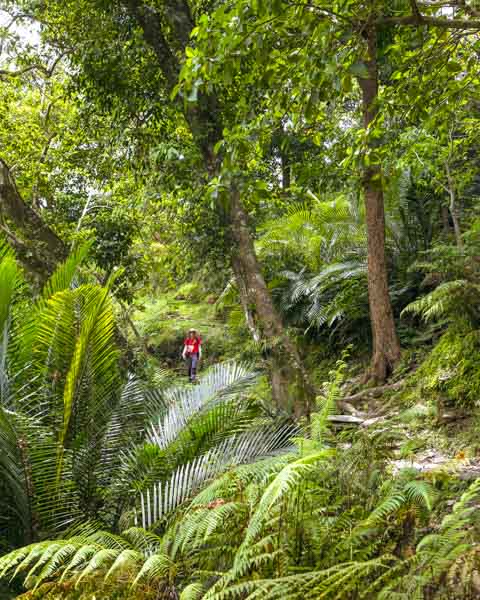
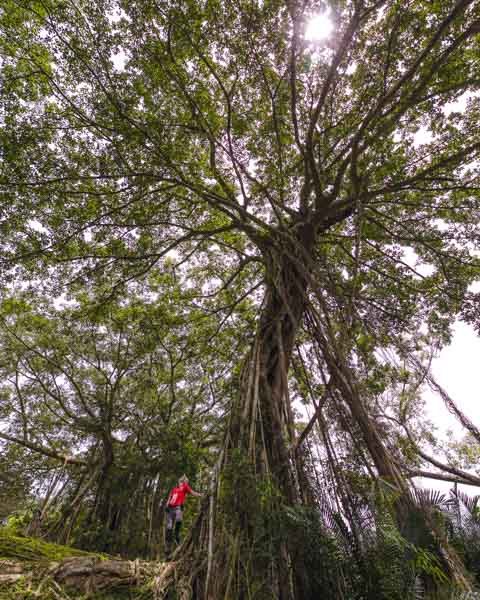
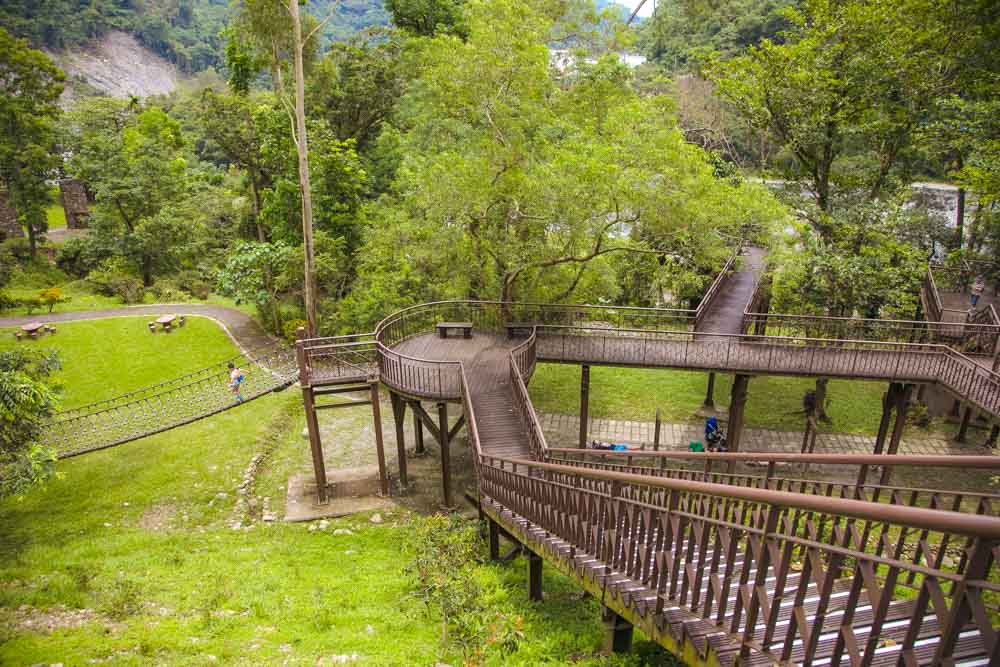
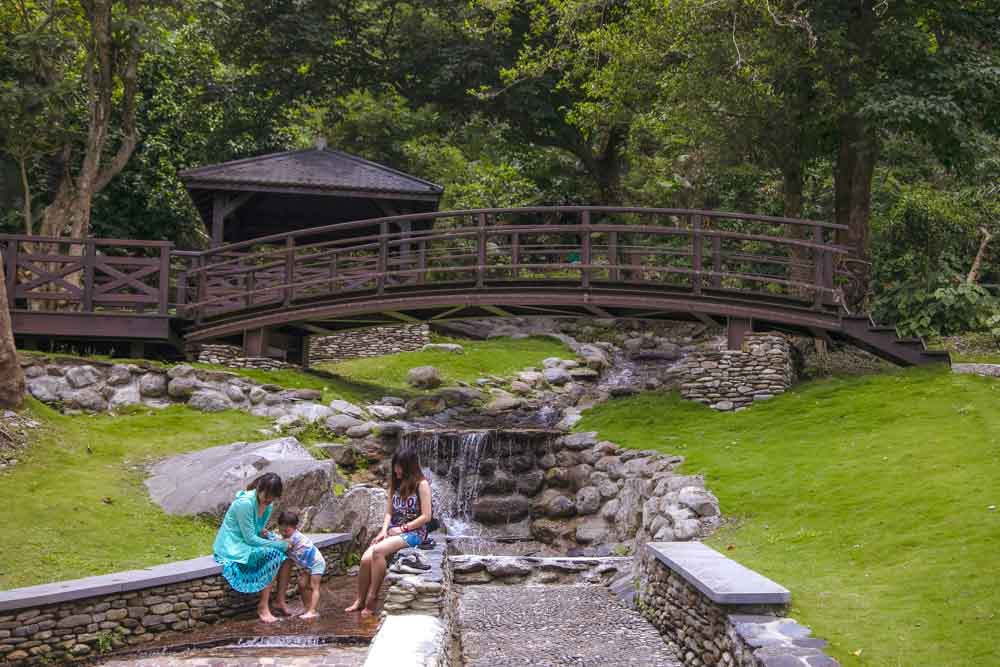
Families with younger kids, people with disabilities, and elderly visitors can opt for the accessible Scenic Trail, which leads to the Creek Massage Footpath, a great spot to relax and soak your feet, where kids can play in the shallow creek waters. Several other short paths and attractions are also accessible from the Scenic Trail, including the Forest Fun Area, with elevated wooden walkways and a rope bridge, and the Hot Spring Rest Pavilion, where you can soak your feet in hot-spring water.
Jhihben National Forest Recreation Area | 知本國家森林遊樂區
Add: No. 290, Longquan Rd., Wenquan Village, Beinan Township, Taitung County
(台東縣卑南鄉溫泉村龍泉路290號)
Tel: (089) 510-961
Hours: 7:30am-5pm (until 6pm Jul & Aug)
Tickets (adults): NT$80 weekdays, NT$100 weekends
Website: recreation.forest.gov.tw
The Jhihben area is well known for its numerous hot-spring hotels, so after your hike, a soothing full-body soak might feel in order. Ayawan Hot Spring Resort (www.ayawan.com.tw), Dongtair Spa Hotel (www.dongtair-spa.com.tw), and Hotel Royal Chihpen (www.hotelroyal.com.tw) are some of this writer’s favorites. Jhihben also has good restaurants, including Da Tou Mu Restaurant, which offers indigenous specialties such as deer, wild boar, and betel-nut flower salad. Sustainably sated, you can then make your way back to the city!
Taitung Mountain-Ocean Cycle Path
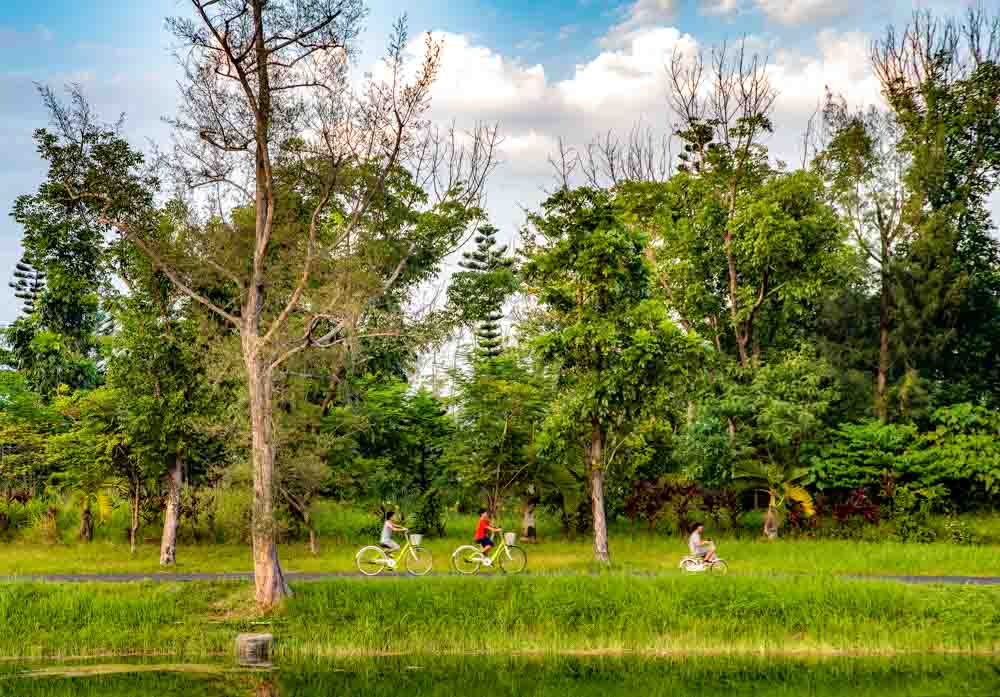
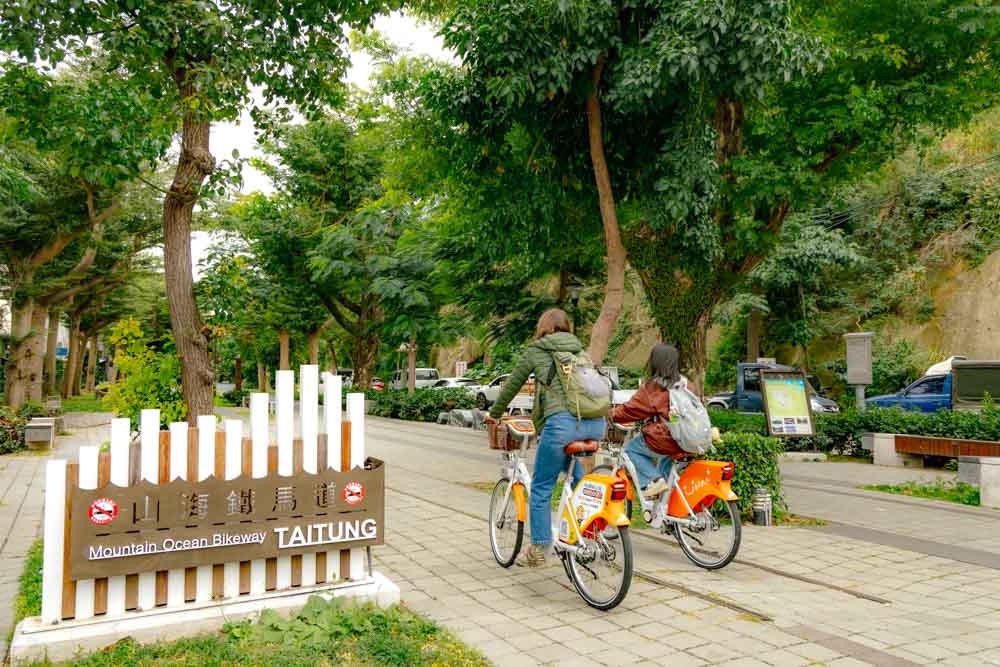
Cycling is a great low-impact way to explore, and Taitung’s 20km Mountain-Ocean Cycle Path presents a unique perspective of the city. You can bring your own bike or rent one from a YouBike public-rental service facility (www.youbike.com.tw/region/taitung/stations), or from a private bike rental shop. Note that the route isn’t exclusively on bikeways, with some sections on major or minor roads. The circuit is mostly flat and can be completed in a couple of hours, but there are enough worthwhile stops to easily spend half a day.
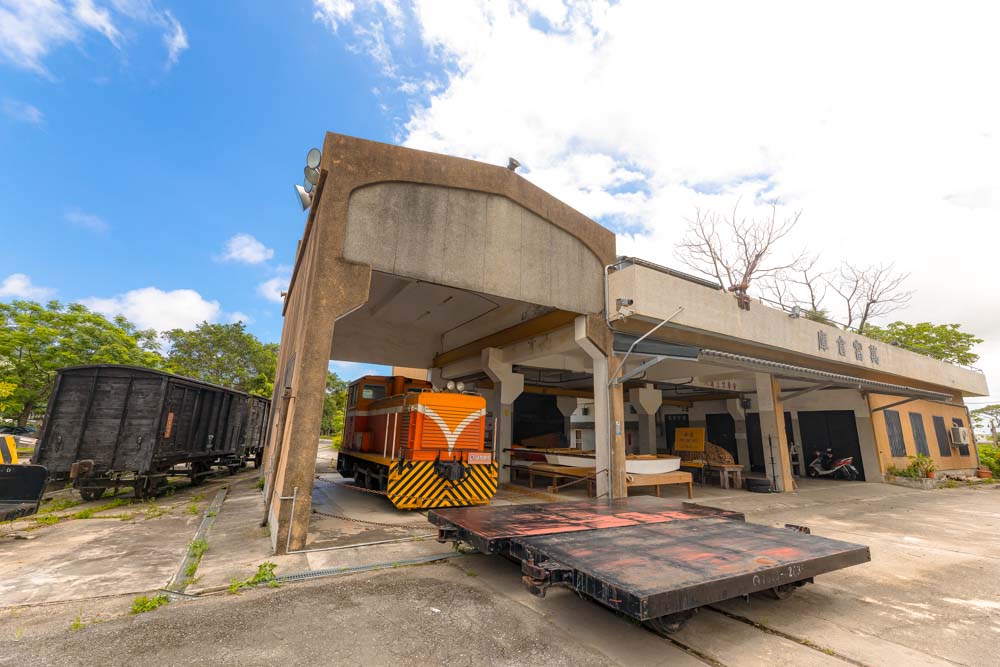
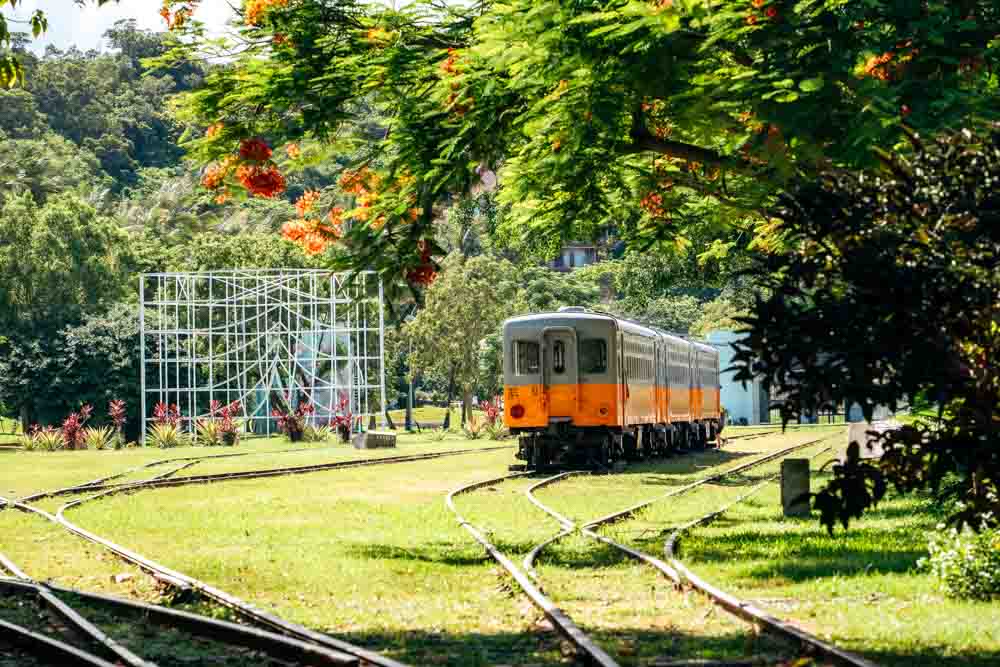
You can start your ride near the old Taitung Railway Station and follow the former railway line. This line was constructed by the Taiwan Sugar Corporation during the Japanese era, and was incorporated into the national railway network later on when the local sugar industry declined. The railway station, which remained in service until 2001, is now part of Taitung Railway Art Village. Some of the old station buildings have been converted into trendy cafés , shops, and restaurants. Moving northwest, the cycle path skirts Liyu (Carp) Mountain Park, which has walking trails up to its 75-meter summit, from where you can enjoy excellent views over the city. From here, it’s less than 3km to Taitung Sugar Factory, another historical landmark given a new lease on life as a creative space with cafés, craft stores, galleries, and workshops.
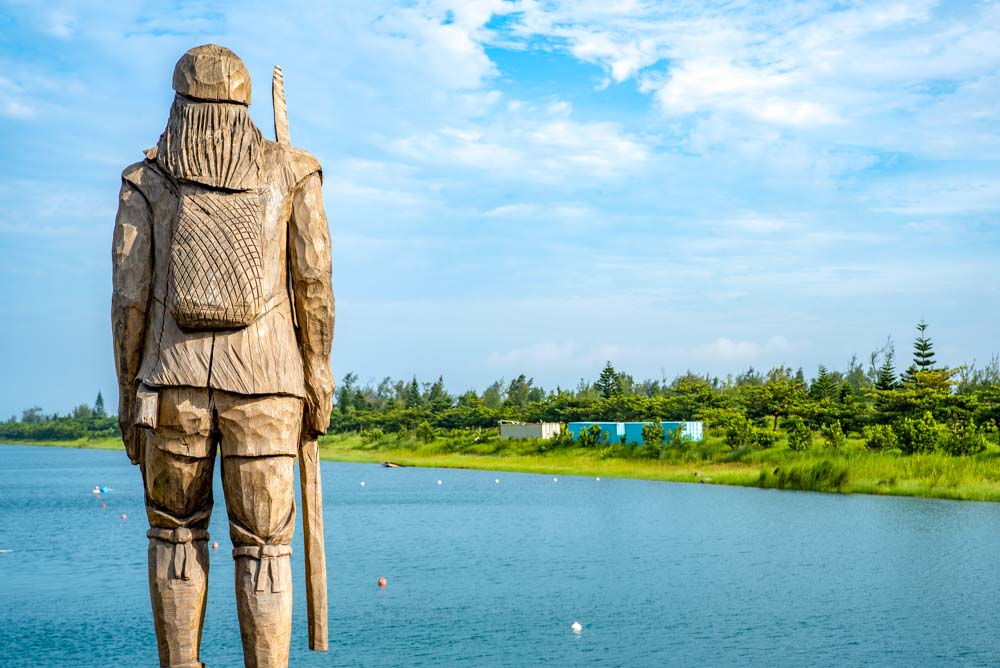
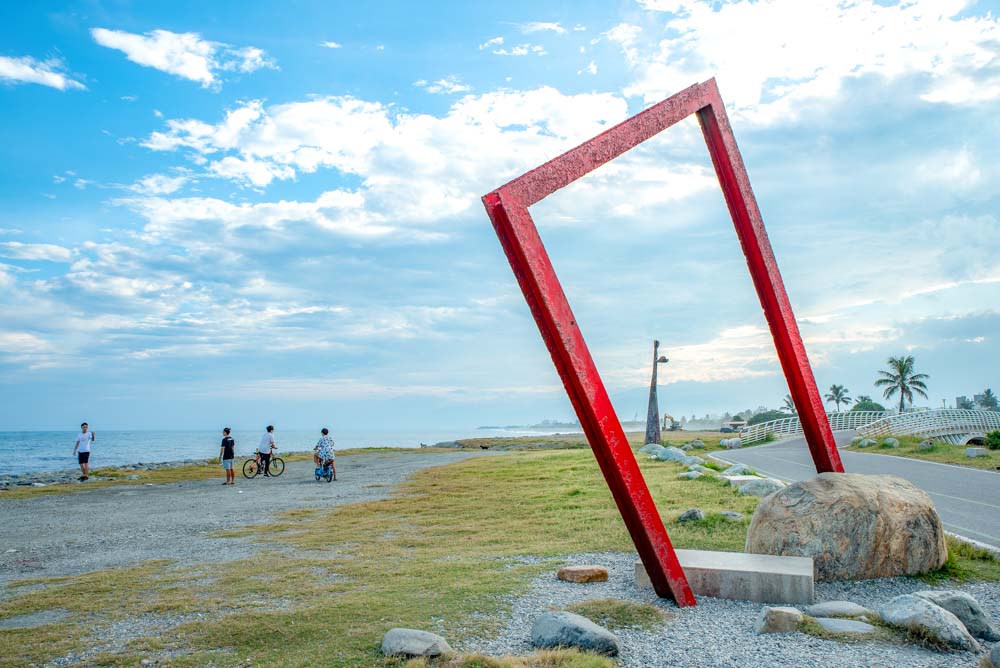
Shortly after the factory, you will cross two busy roads, ride under another, and then turn right, leaving the railway tracks behind. After this, for a stretch, first heading east, then northeast, you will ride along the Beinan Dazun Canal. After passing the Taitung County Baseball Village, the path continues north, all the way up to Liji Bridge, which crosses the Beinan River. This is the northernmost point of the route, and from here you can see the craggy outline of the Liji Badlands, which could be added to the ride to make a longer circuit. Turning right just before the bridge, you will ride along a quiet road between the levee and rice paddies. Now the path takes you south/southwest all the way to Taitung Forest Park and the Flowing Lake, a large rectangular body of water popular for watersports. The bike route continues to the southern end of this lake and then south through Taitung Seashore Park and adjoining coastal Haibin Park. Finally, head north back into central Taitung and to the start of this route. The Mountain-Ocean Bikeway offers a fun, sustainable way to experience Taiwan’s most laid-back city.