

The Joys of Discovering Taiwan by Rail
TEXT | AMI BARNES
PHOTOS | VISION
With understated efficiency, metro systems in Taiwan’s largest cities shift more than three million passengers a day, the high-speed rail system links north and south with a swift under-two-hour journey, and the round-island railway offers an easy, punctual, low-carbon way to explore at your own pace. In short, Taiwan takes train travel seriously.
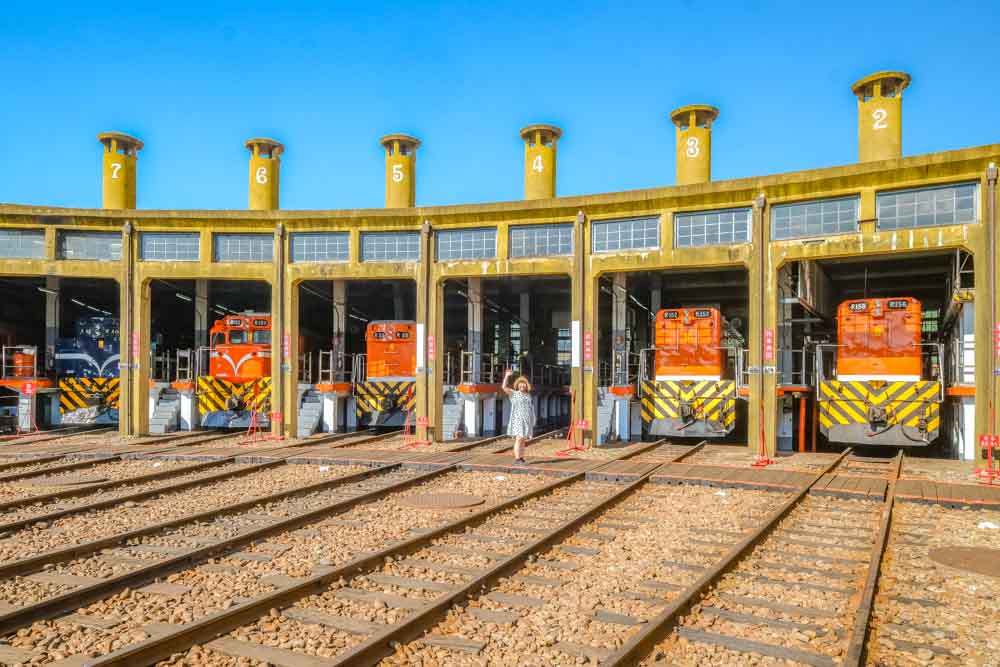
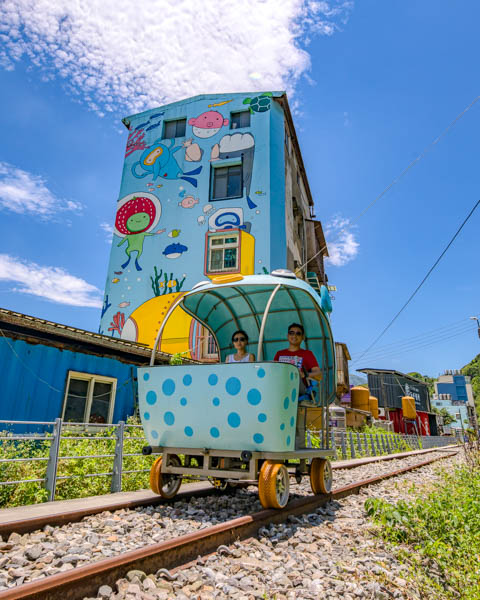
Quite aside from its primary transportation function, Taiwan’s historic railway network presents plenty of potential for fun. Former lines in numerous cities/counties have been converted into pleasant cycle paths (Houfeng Bikeway in Taichung City and Yufu Bikeway in Hualien County, to name just two) or upgraded with railbike facilities (incl. Shen’ao Railbike on the North Coast and Old Mountain Rail Bike in Miaoli County). In the hills, defunct logging routes offer nostalgia-tinted rides (incl. Bong Bong Train in Taipingshan, Yilan County; Wulai Log Cart in New Taipei City), or form the backdrop for atmospheric hiking trails (incl. Jancing Historic Trail, Taipingshan; Mianyue Line, Chiayi County). True trainspotters are well-catered for, too, with Taipei’s excellent brand-new National Railway Museum (www.nrm.gov.tw), seasonal sights such as the annual resurrection of sugarcane trains, and the one-of-a-kind working roundhouse in Changhua City – something you’d be hard-pressed to experience anywhere else in the world. The only challenge is deciding where to begin.
| Accessible Rail Travel Heightened awareness of inclusive design and a growing elderly population mean that travelers requiring mobility or visual accessibility accommodations are increasingly finding Taiwan’s main rail networks thoughtfully equipped. In terms of station design, whether you’re using MRT (Mass Rapid Transit), THSR (Taiwan High Speed Rail), or TR (Taiwan Railway) services, you should find elevators connecting concourses with platforms, wheelchair-accessible ticket dispensers, wide ticket barriers, accessible bathrooms, and tactile paths. A guiding service to help navigate from curb to carriage is also offered for those who need it. Taipei Metro trains (www.metro.taipei) have priority seats for those with additional needs in every carriage, and dedicated wheelchair space in both the front and rear carriages. Meanwhile, for the THSR (www.thsrc.com.tw) and TR (tip.railway.gov.tw) services, full accessibility details — including onboard wheelchair-space locations and booking procedures — are available in English on their respective websites. |
Content
North Taiwan: Pingxi Line
To answer that question of where to get started, this article takes three routes and holds them up as frames for rail-centered excursions that will appeal to train enthusiasts and slow-travel lovers alike. Hop on. Jump off. Explore at will.
First up is the Pingxi Line, a branch line. Thanks to its proximity to Taipei City and an overabundance of scenic attractions, this line is well known among international visitors. The 12.9-kilometer former coal-mining route is fused with the stubby 4.6-kilometer Shen’ao Line (sights on this seabound offshoot include Shen’ao Railbike (www.railbike.com.tw), the National Museum of Marine Science & Technology (www.nmmst.gov.tw), and the dreamy coastal landscape of the Wangyou Valley Trail at Ruifang Station. Diesel-powered DR1000s shunt back and forth between Badouzi (on the coast) and Jingtong (deep in the Pingxi Valley), with about one run per hour in each direction.
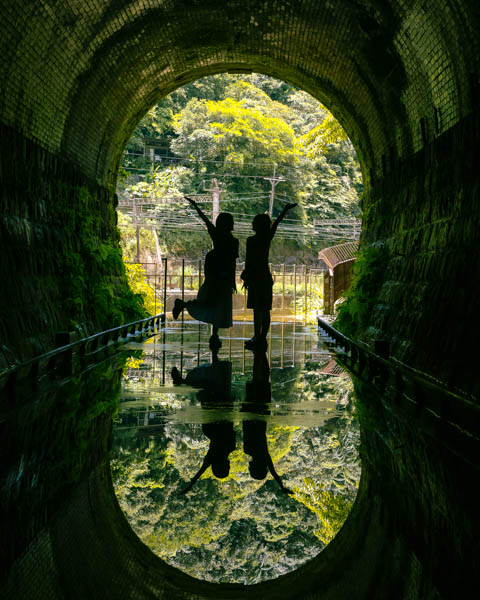
Houtong Cat Village is the first stop after boarding the train heading to the village of Pingxi at Ruifang. Houtong’s feline occupants can generally be found strutting their stuff in the station plaza, but if they’re feeling shy, you can instead pop into the Ruifang-Ruisan Coal Preparation Plant (now a museum) to learn how the “black gold” industry shaped this area. Houtong is also the starting point for a couple of even slower and lower-carbon adventures. Hikers can tackle the Dacukeng Historic Trail, a brisk 7-kilometer trek through a lush forest to the busy mountainside town of Jiufen, which overlooks the sea, while cyclists can grab a YouBike public-rental bike and set off to explore the atmospherically lit interior of Sandiaoling Eco-friendly Tunnel (free, but a reservation is required; newtaipei.travel/sdl-tunnel).
Next up is the Sandiaoling station. Taiwan’s only station without road access, this is the point where the Pingxi Line diverges from the Eastern Trunk Line, and those alighting here can wander along the track to the small cluster of eateries around Shuren Village. My top pick among these is Café Hytte (facebook.com/cafehytte) – a low-key coffee shop ensconced amid the tumble-down walls of an old cottage that makes a perfect pitstop after completing the Sandiaoling Waterfall Trail hike.
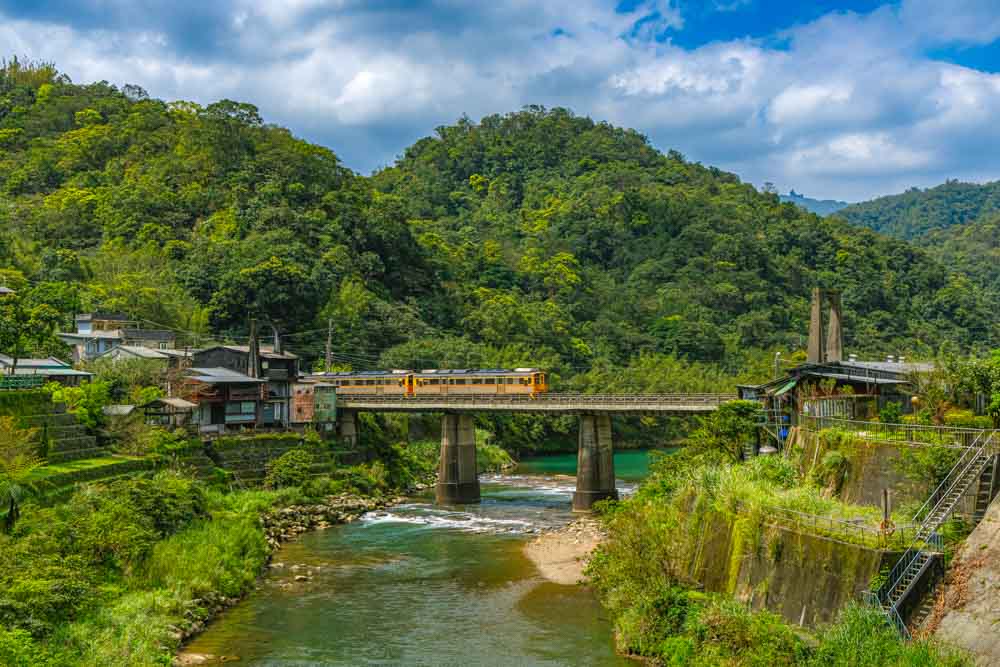
Further west is Dahua – an unmanned station, and probably the least noteworthy stop along the way – followed by Shifen. Famed for its waterfall and sky lanterns, so much has been written about the village of Shifen that it feels unnecessary to fritter away my word count on the subject, but if you want my honest opinion, you can skip the crowds here in favor of a hike between the next two stations, Wanggu and Lingjiao, which takes in two falls that are quieter, pretty, and connected by an easy-to-moderate hiking trail with several fun rope ladders. Or for something altogether more thrilling, alight instead at Pingxi, where the vertiginous summits of the Pingxi Crags rise like rocky spires from the jungle, giving 360-degree views of the green-cloaked valley – just be warned, this climb is not for the unfit or acrophobic.
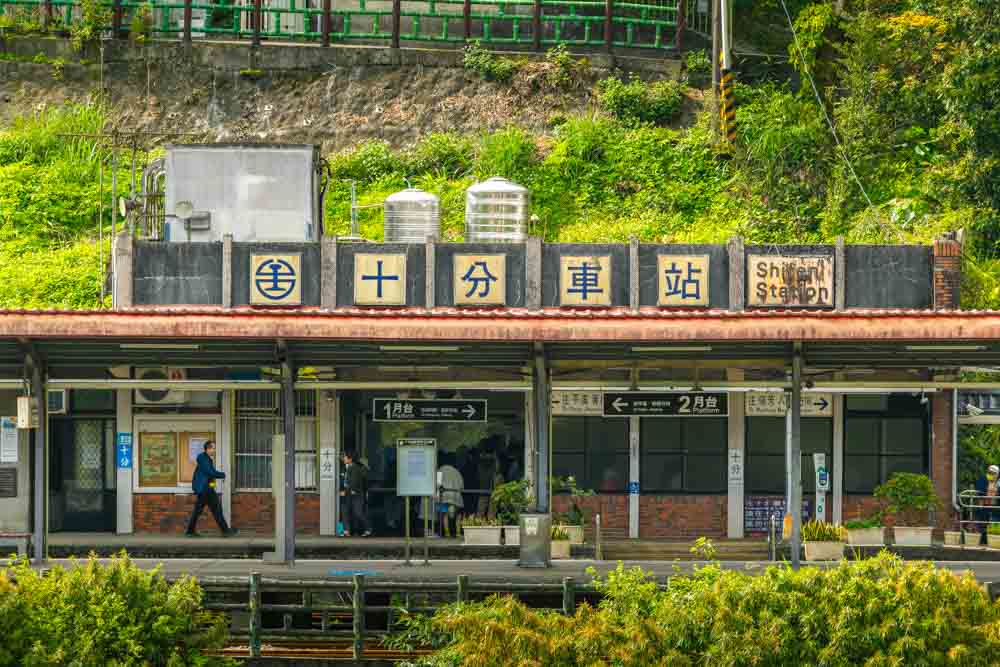
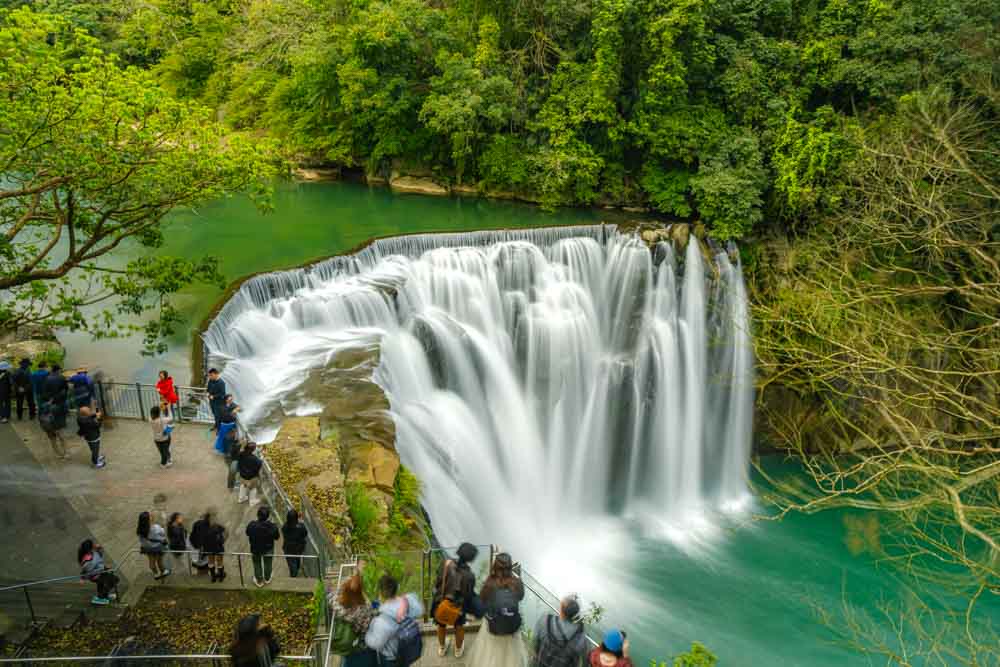
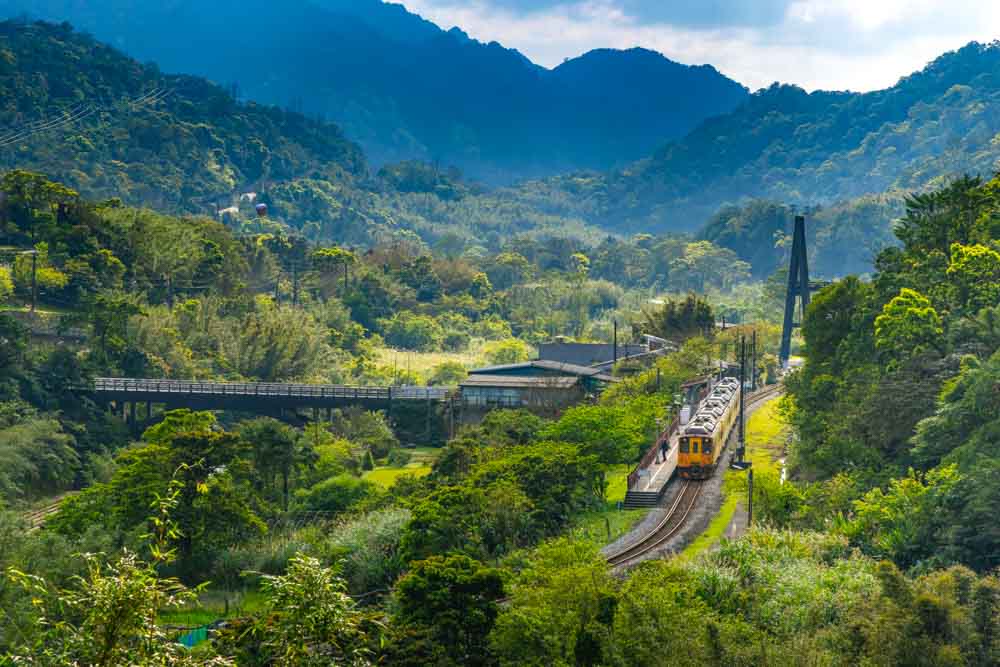
The line terminates at Jingtong, where a smattering of vendors caters to tourists along the village’s tiny Old Street. A popular activity here involves writing your hopes and dreams on lengths of bamboo, which are then tied to a fence, but my favorite thing to do in Jingtong is to watch fireflies emerge at dusk (best time April) to dance through the abandoned ruins of an old colliery.
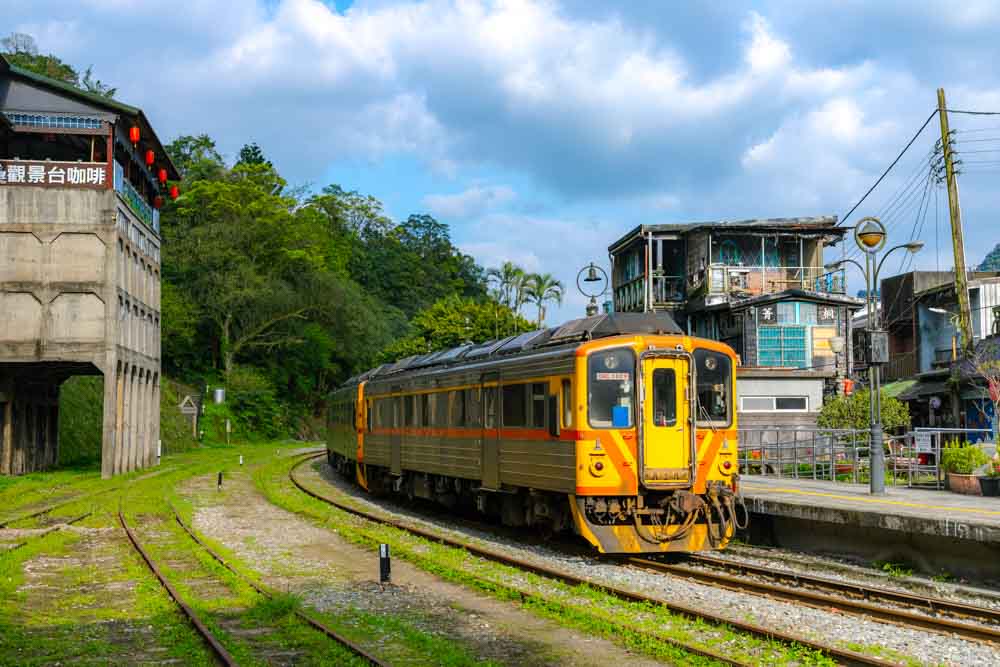
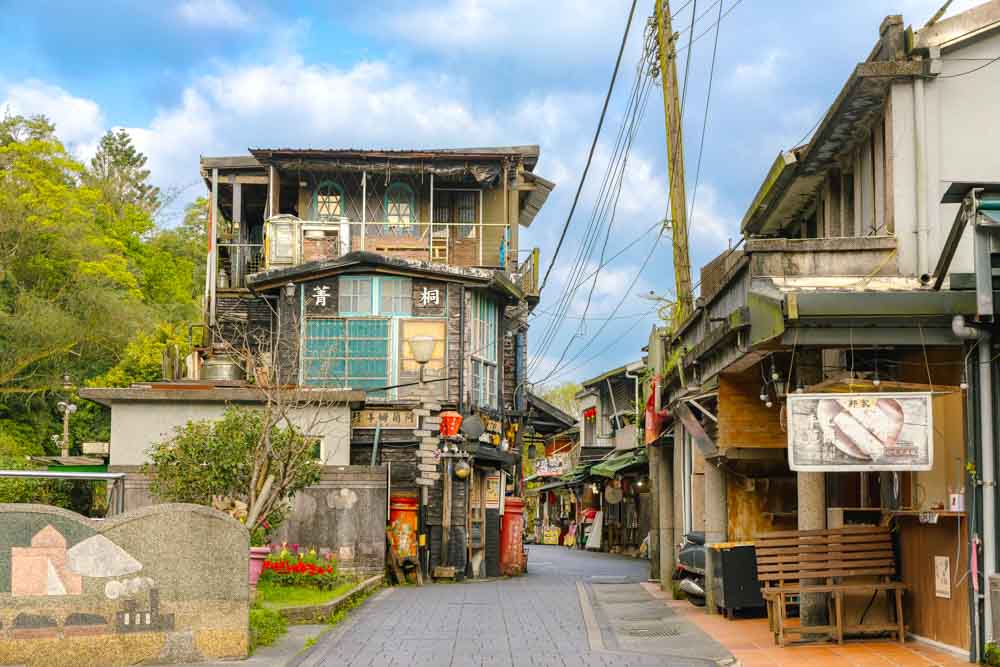
Central Taiwan: Jiji Line
The Jiji Line – like much of Taiwan’s rail infrastructure – owes its existence to groundwork laid during the 50-year-period of Japanese occupation (1895-1945). When the Japanese authorities first arrived, they found abundant natural resources, but were stymied by the absence of a coherent transportation network. Within months, a web of human-powered narrow-gauge handcar routes had proliferated as a stopgap solution – at their height in the 1930s, these covered over 1,400 kilometers.
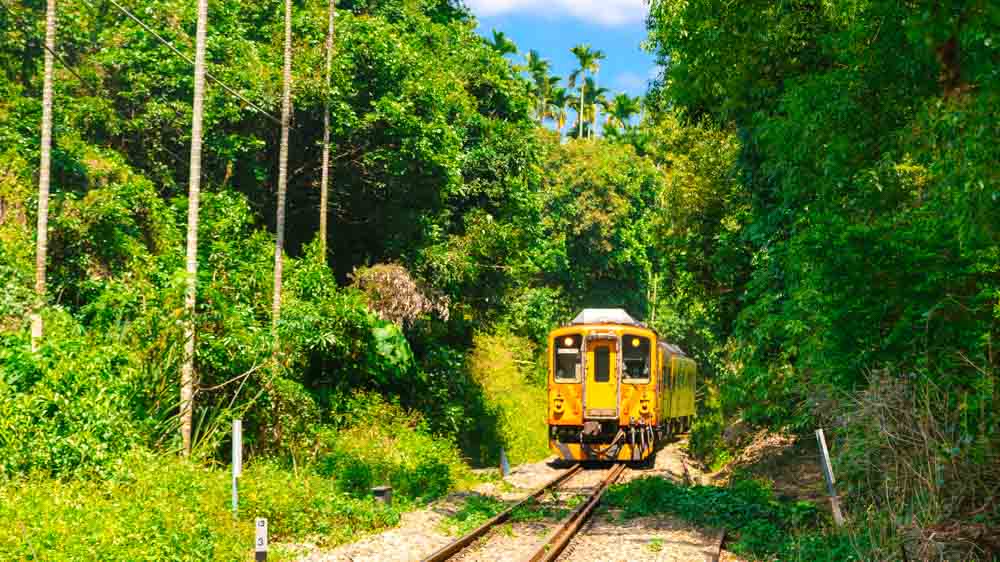
Among them was a line running between the town of Puli (Nantou County) and Ershui (Changhua County). Originally built to extract sugarcane from the landlocked mountain basin Puli sits in, by 1921 the Jiji Line had been beefed up to accommodate steam trains carrying construction materials for a hydroelectric plant fed by overspill from Sun Moon Lake.
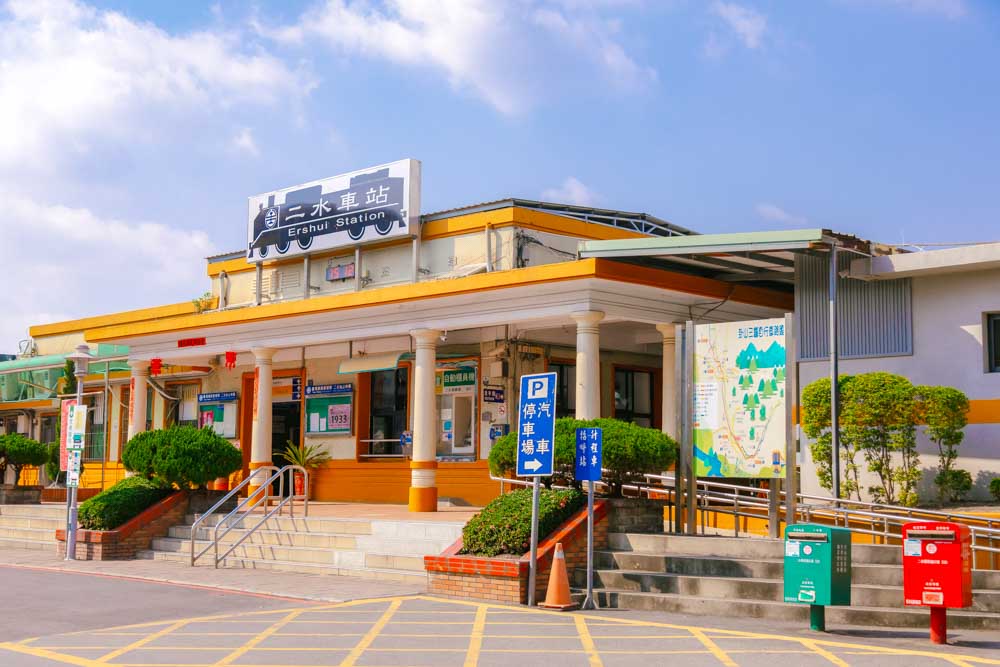
The line starts in the west at Ershui, an unassuming town at the south tip of a tadpole-shaped ridge running the length of Changhua County. Little seems to happen in the town itself, but there are adventures to be had nearby. It’s a twenty-minute walk to Fengbo Plaza and the start of the Dengmiao Trail. This monkey-populated path climbs to Songboling Shoutian Temple (which will be celebrating its 370th birthday in 2027). For a flatter alternative, a bikeway threads through paddy fields, guava orchards, and rows of dragon-fruit plants towards the line’s second station, Yuanquan. From here, you can walk on to the Babao Canal. Reputedly Taiwan’s oldest surviving irrigation channel, the locals are so proud of it that every November they don wellies and take part in the annual Ershui Water Running Festival.
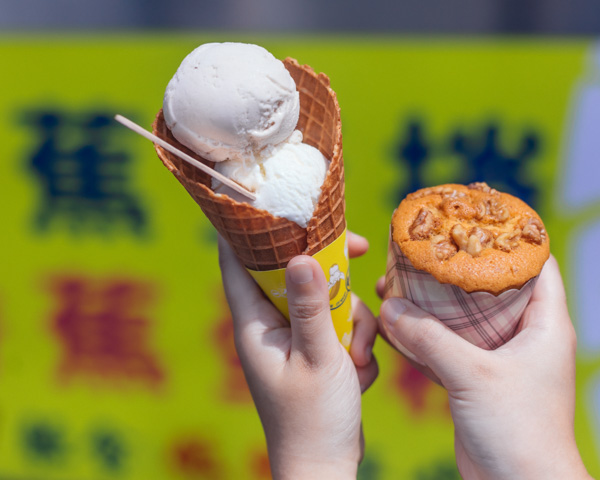
The next major stop is Jiji. The line’s liveliest destination, Jiji has elevated the banana to an art form. Forget your pleasantly bland Cavendishes, Jiji mountain bananas are the best known among the town’s musaceous multitudes for their sweetly aromatic flesh. You might also find plump and chewy Lady Fingers, red-skinned red apple bananas, and dainty rose bananas, barely longer than an index finger. If you’re thinking, “Great, but sweeter, please,” Yiyi – with two stores in the town – sells moreishly fluffy banana cakes as well as ice cream and egg rolls, all made with locally grown fruit. Meanwhile, for a more informative slant, the Jijibanana farm (a 5-minute taxi ride from the main drag) offers banana-based edutainment and child-friendly cookery activities.
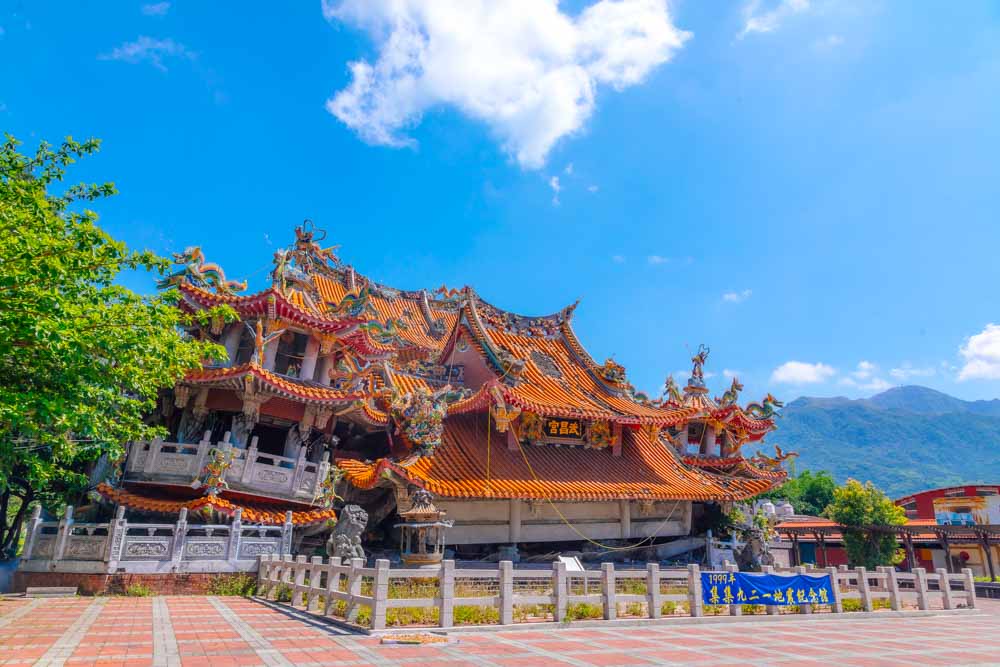
Beyond bananas, perhaps Jiji’s most compelling sight is Wuchang Temple. Not the current structure (although that is grand enough), but the original temple beside it, which was consecrated in March 1999, precisely six months before a devastating magnitude 7.7 earthquake toppled it. The ruins – with their concertinaed rebar and pancaked flat ground floor – were left in situ, and gazing at them forces a deeply unsettling contemplation of reality. Less unnerving, and very worthy of your time, is the Endemic Species Research Institute, where visitors can explore a native-plant park and exhibits on Taiwan’s remarkable biodiversity.
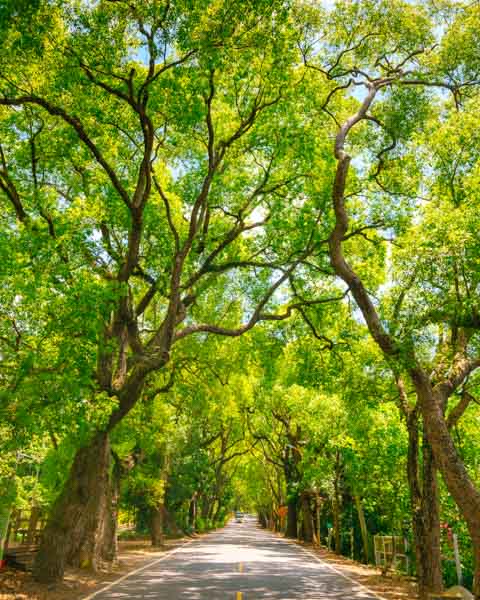
Shuili is the next stop. This town is often used as a staging post for frugal travelers hoping to find cheap lodgings for onward travel to Sun Moon Lake (just a 30-minute bus ride away), but handicraft lovers might be tempted to stop and seek out the town’s century-old Shuili Snake Kiln (www.snakekiln.com.tw).
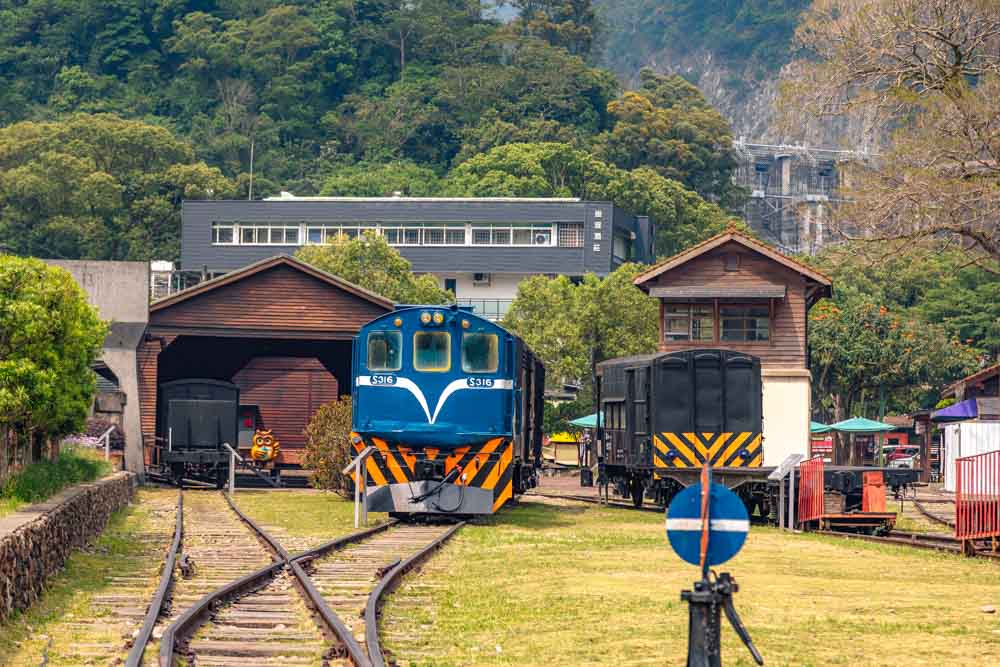
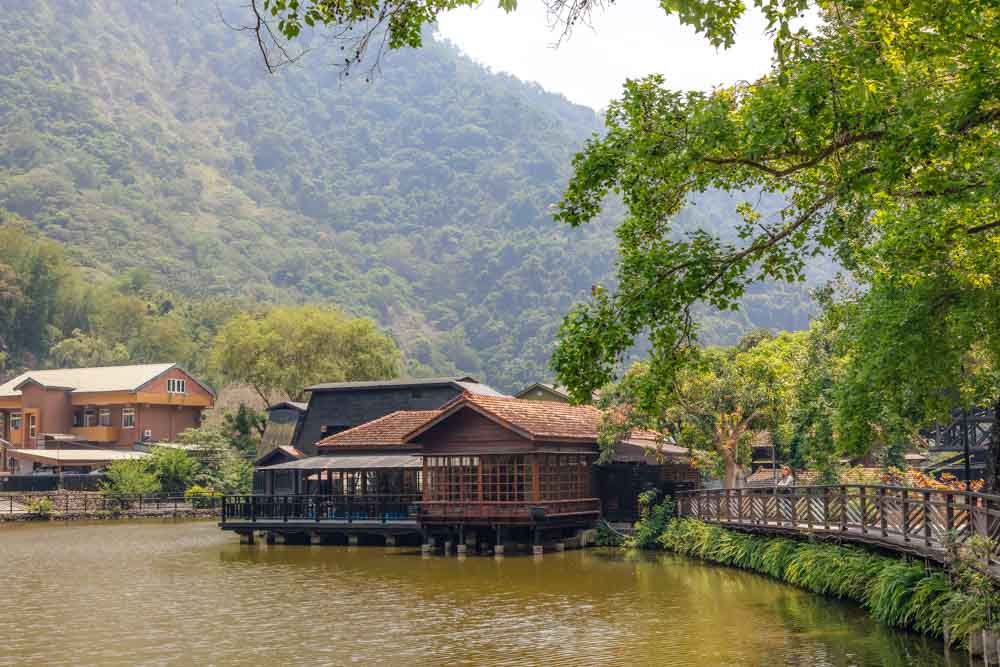
The line terminates at Checheng. In its earliest iteration, Checheng was a staging post halfway along the Ershui-Puli handcar line, but these days it’s a sleepy tourist spot, locked in a daydream of a previous life as a logging town. Its timber-processing past lives on in details everywhere you look – stalls on the hilly Old Street sell carved homewares, restaurants serve food in wooden buckets, and an old lumber pond – neighboring the informative Checheng Wood Museum, located in the old timber mill – forms the tranquil, fish-filled focal point of most visitors’ excursions.
South Link Line
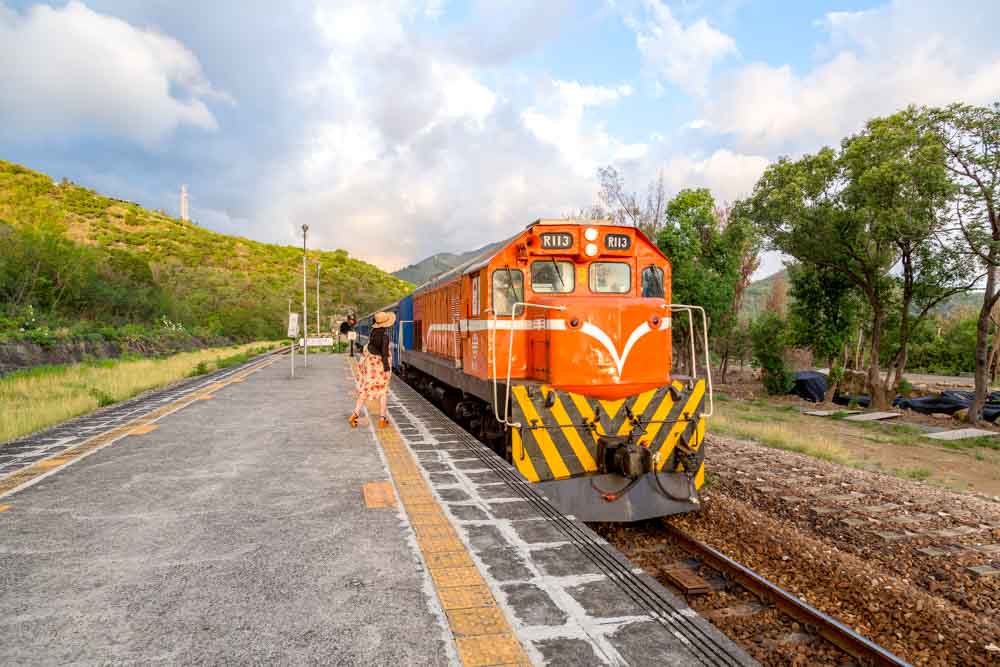
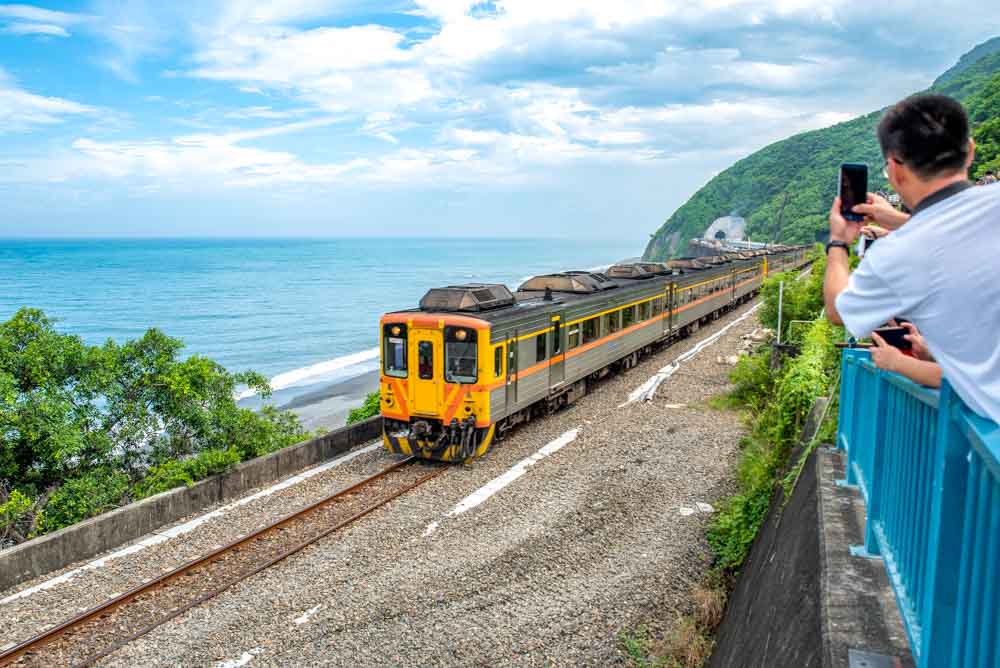
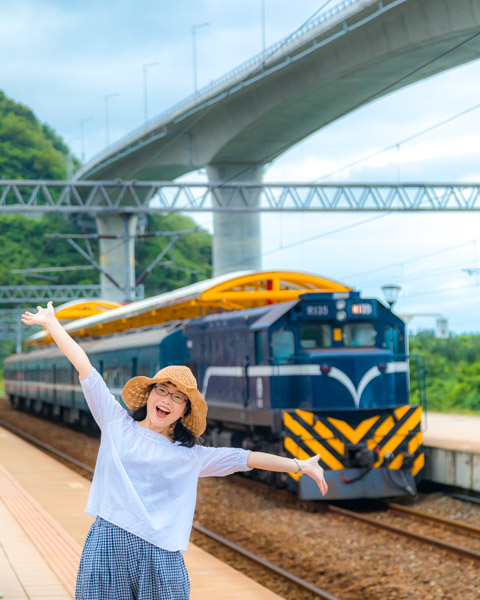
Down at Taiwan’s southern tip, the South Link Line cuts a crooked smile-shaped curve down through agricultural Pingtung County and up along Taitung County’s coastal blue vastness. As recently as 2020, the section between the towns of Fangliao and Zhiben became the final stretch of the round-island loop to undergo electrification, but if you thought this ushered in a new era of high-speed, get-up-and-go dynamism, think again. Nothing happens in a hurry in Taiwan’s laid-back deep south, and those who endeavor to embrace local life should cultivate an air of having nowhere particular to be and all the time in the world to get there. Both express and local trains serve this line, but nothing epitomizes its romantic lost-in-a-time-warp appeal better than Breezy Blue – a specialty tourist train pulled by a 70-year-old EMD G22 series engine (bookable exclusively through Lion Travel; event.liontravel.com/en-us/railtour/breezyblue/index).
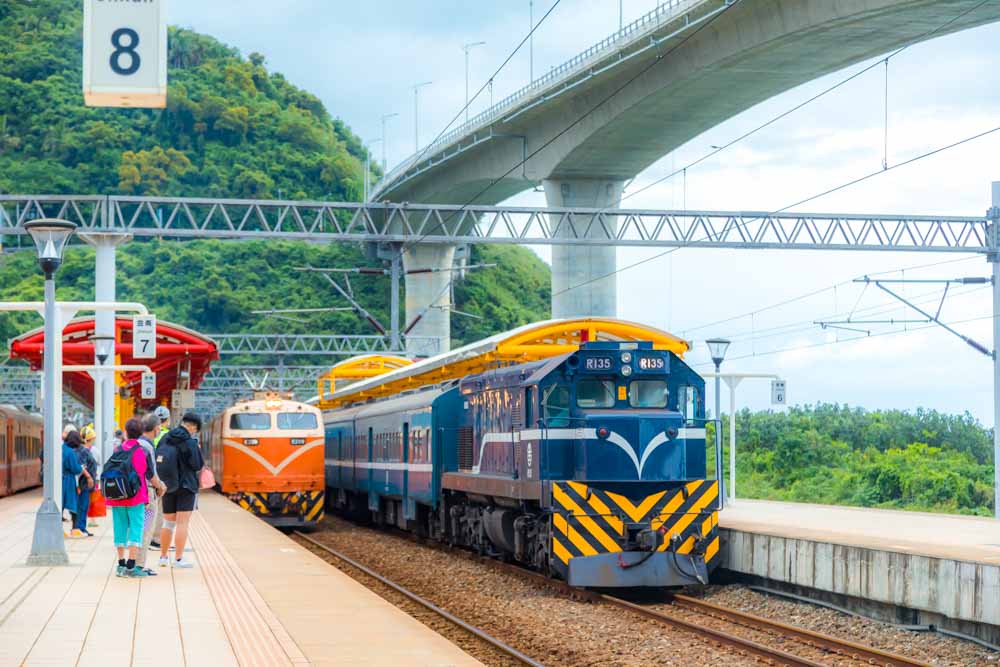
Starting at Fangliao – a quiet coastal settlement bypassed by the main coastal road – the recently zhushed up Rainbow Railway Art Village is its main attraction. Consisting of former dormitories for TRA employees, the site is dotted with colorful sculptures, and several of the painted buildings house cafés or snack stalls. Fangliao Fishing Harbor is just a short walk away. Arrive early in the morning, and you can watch the night-fishing boats return to unload their catch – javelin grunter, cutlassfish, silver pomfret, one-spot snapper, golden threadfin bream, etc. – before auctioning it off on the spot. Arrive later, and you can enjoy a seafood feast in whichever of the waterside restaurants placed successful bids. Not into fish? The port-adjacent Gangbo Ice Store – serving plump cubes of local mangoes heaped on generous mounds of ice – may be more up your street.
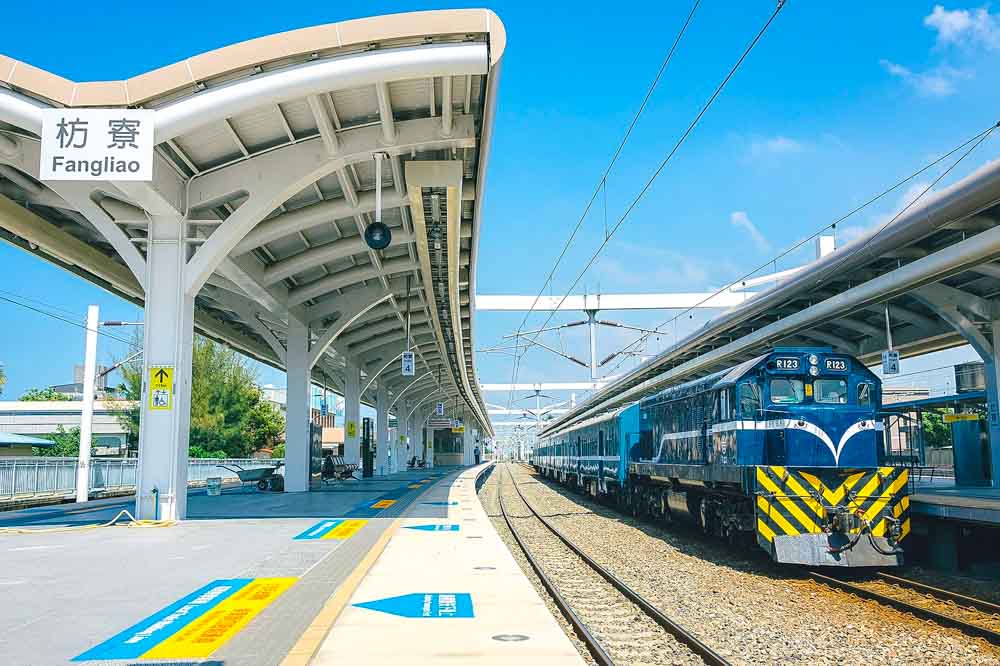
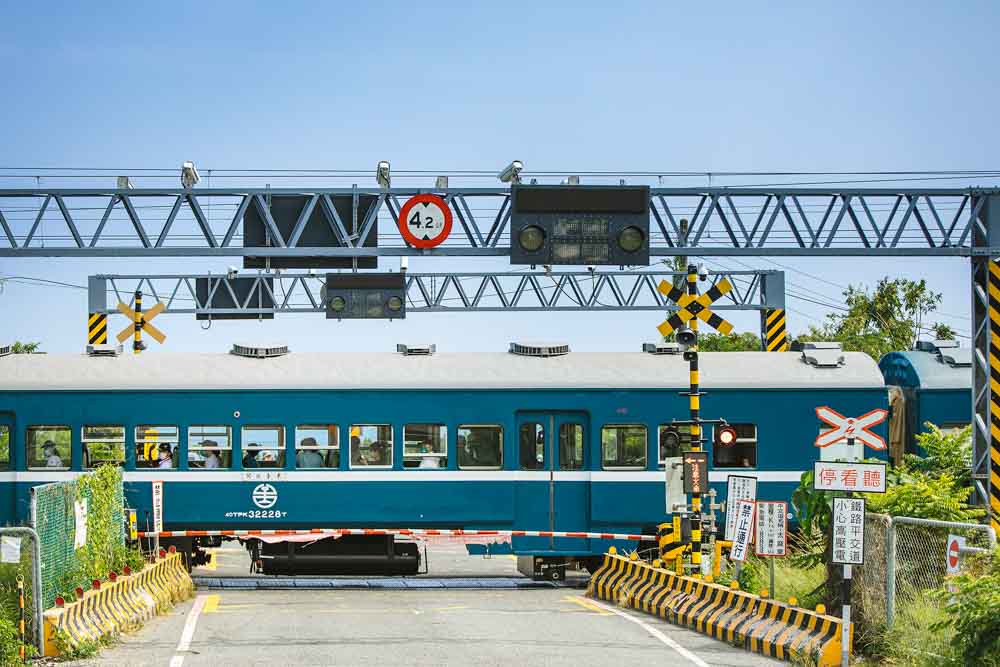
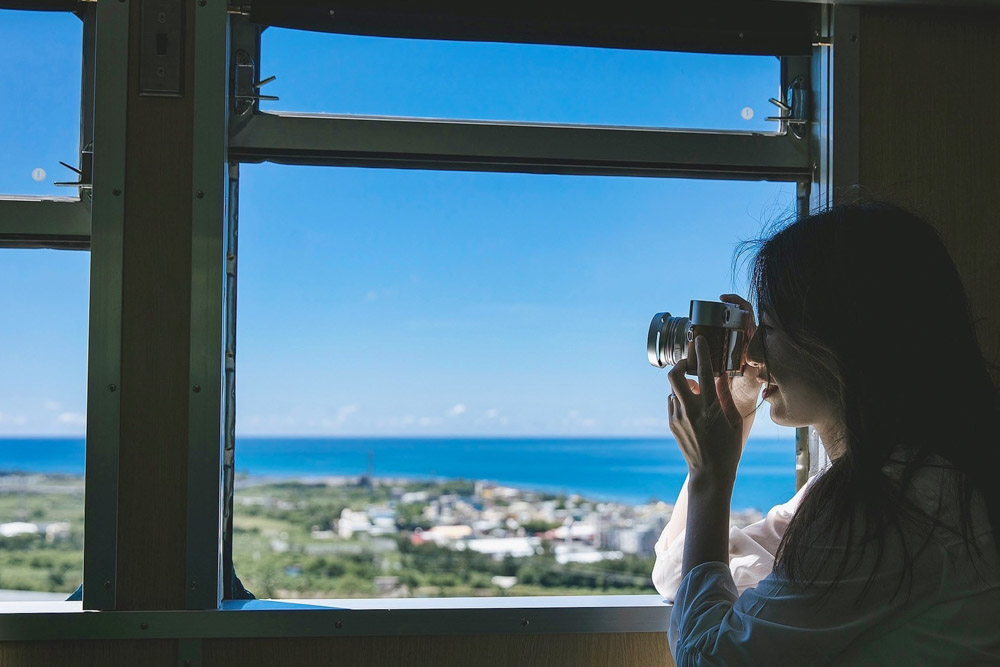
Sliding out of Fangliao, trains trundle south between fish farms and mango orchards. Among the early stations passed are two with superlative claims to fame: Neishi, with the lowest ridership (averaging just two passengers daily), and Fangshan, the southernmost. At Fangshan, the tracks arc away from the coast, beginning their journey through Taiwan’s mountainous spine, and when I say through, I really mean through – between Fangshan and Dawu, trains spend more time in tunnels (19 of them in total) than out, with just brief flashes of green in between.
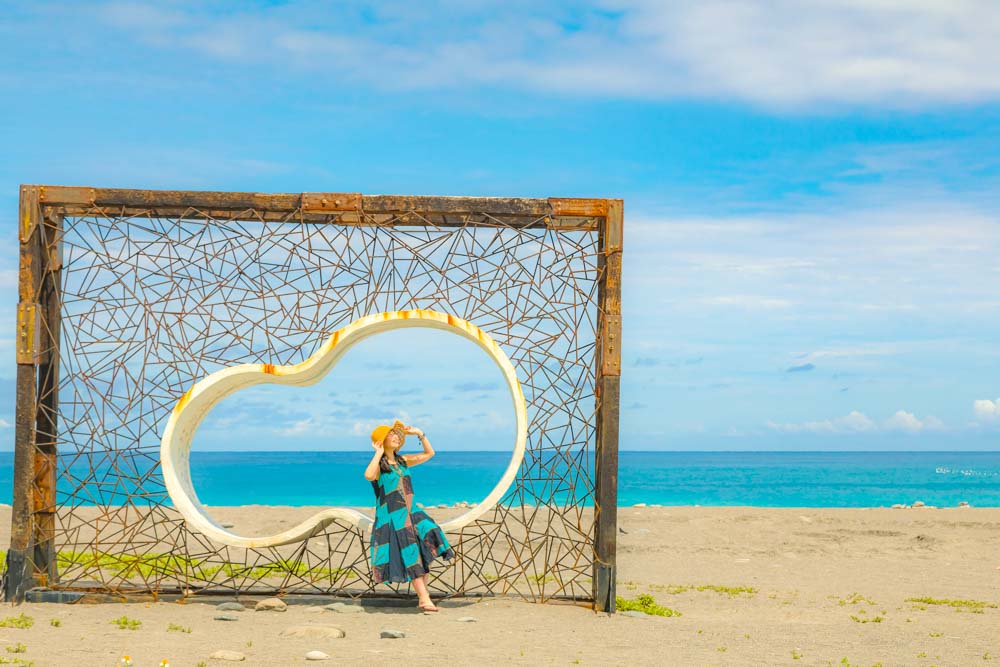
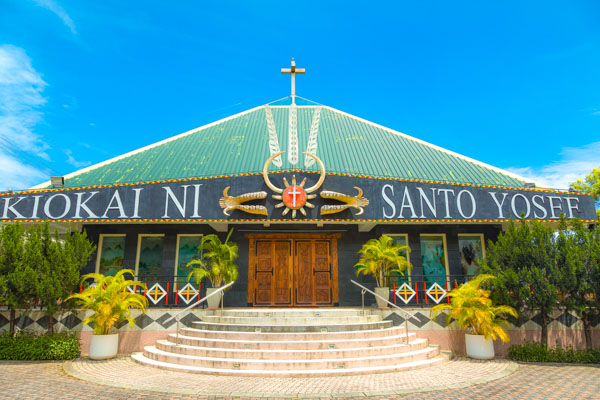
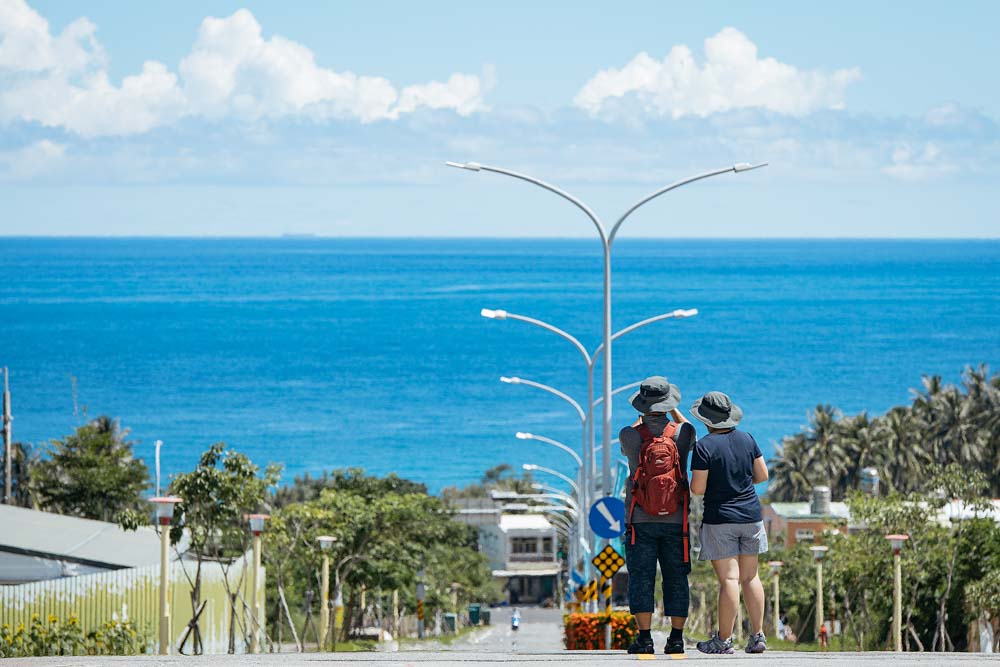
Once you emerge on the East Coast, the landscape is ruggedly green on one side with seemingly endless kilometers of pebbly beach on the other. The settlements along this stretch are tiny, and the concentration of churches here indicates a sizeable indigenous population. Christian and indigenous motifs combine in Longxi’s Daxi Catholic Church, where a carving depicting the last supper has the disciples wearing muntjac horn headdresses, while in Jinlun’s Kiokai ni Santo Yosef, statues show Mary and Joseph clothed in full Paiwan regalia, and arrangements of wild boar jawbones hang above the entryway.
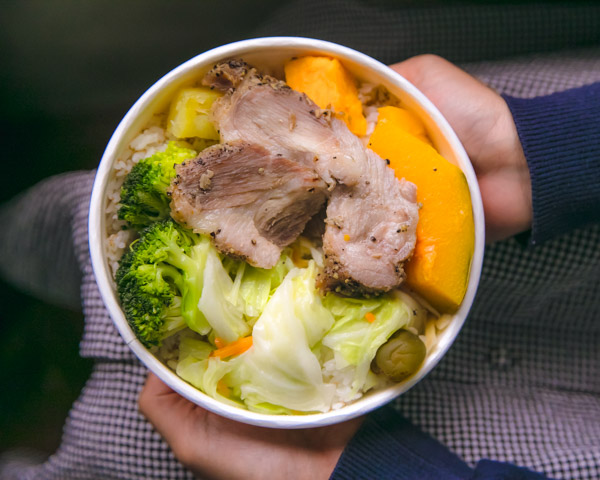
This is an excellent area in which to sample authentic indigenous cuisine. For Paiwan dishes, check out Jinlun’s Jiang Mimi Bistro – expect pinuljacengan (similar to congee), barbecued meats, and cinavu (millet and rice steamed dumplings). Further north in Zhiben, Pinuyumayan-run indigenous Kitchen offers home-cooked, lunch-boxes heaped full of whatever the chef has to hand.
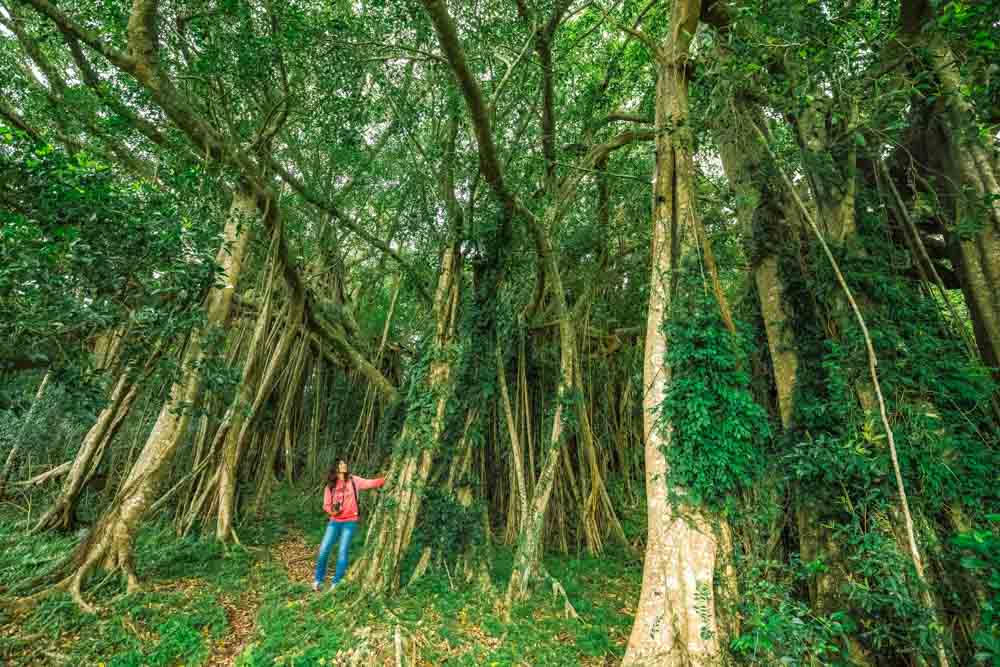
Zhiben is one of the bigger stops along the way, and makes a fine place for an overnight stop. Famed for its colorless, odorless hot springs, passengers alighting here can hop on the 8129 bus to where the hot-spring hotels are gathered, or ride to the terminal stop, in a narrow valley, where you’ll find the entrance to the Jhihben National Forest Recreation Area – 110 hectares of forested hillside with shady trails amid hanging banyans and hot-spring pools for weary walkers to soak their feet in.
Highlights