

Popular and Challenging High-Mountain Hikes
TEXT | AMI BARNES
PHOTOS | RAY CHANG
My first impression of Taiwan came at 30,000 feet. Looking out of the window of my airplane as it tracked up the west coast, I experienced a sense of awe as I glimpsed the towering giants of Taiwan’s interior. Over the intervening years, I have dedicated countless pairs of hiking shoes to learning her mountain paths, and yet I carry around a perpetually overflowing bucket list of unexplored trails. What follows is just a small fraction of the many high-mountain adventures I hope to have in the future.
Content
Nenggao Historic Trail
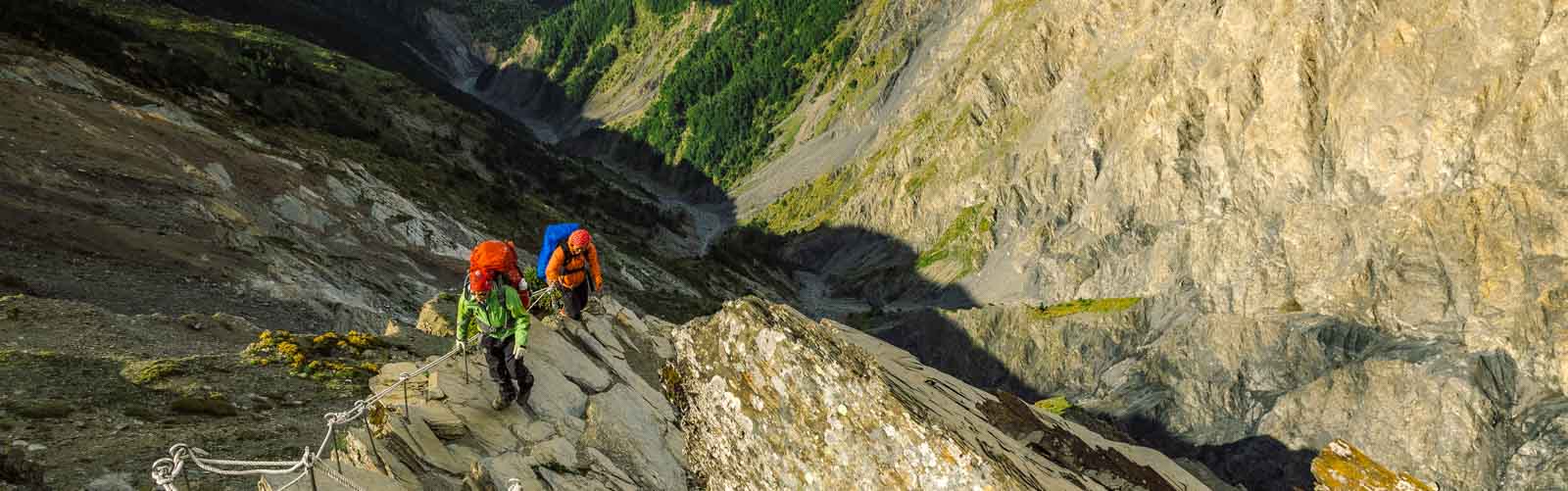
Somewhere near the top of my bucket list is the Nenggao Historic Trail. This 26-kilometer route stretches from the highlands of Nantou County’s Ren’ai Township down to Tongmen Village on the banks of the Mugua River in Hualien County’s Xiulin Township, and although I detest the word breathtaking (criminally overused in travel writing), I’m afraid it’s by far the most apt descriptor in this instance. Ranging for much of its most visually dramatic length between 2,000 and 3,000 meters above sea level, passing through spectacular high-mountain scenery – think cloud waterfalls and alpine grasslands dyed orange by the rising sun – it truly is the kind of place that is capable of taking one’s breath away, in both senses.
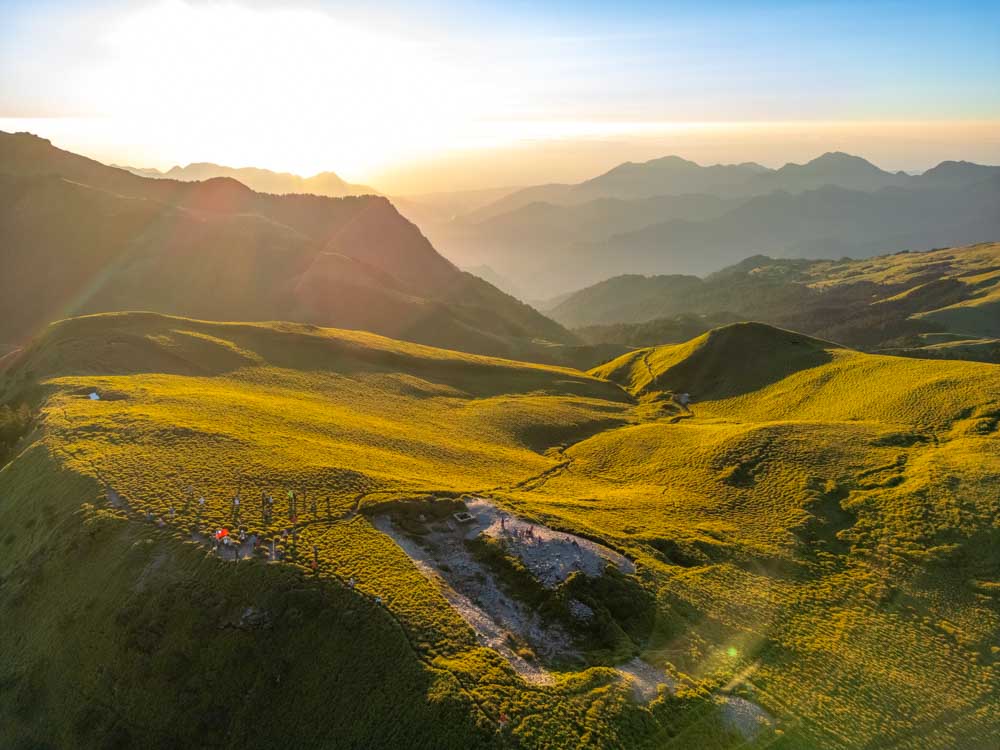
Walked into existence by members of the Sediq indigenous people, it initially served as a tribal hunting and trading route. The Japanese era (1895~1945) saw colonial authorities co-opt the trail, building guard posts all along its length to monitor tribal communities. The Taiwan Power Company later repurposed some of these outposts during rural electrification efforts, and they eventually became overnight stops for trekkers.
Today, hikers typically complete the route as either a two-day, one-night trek (overnighting at the Huilin Station campsite) or a three-day, two-night journey (adding an extra stop at Tianchi Lodge, which offers both cabins and camping with meals available). As with all high-mountain adventures, the logistics can get a bit tricky – Tianchi Lodge requires prebooking, the route requires a Mountain Entry Permit, and since it is what’s known locally as an “A in, B out” route, transport support is required at both ends. Consequently, working with a hiking-tour company is by far the easiest way for first-timers to enjoy this experience.
Jiaming Lake
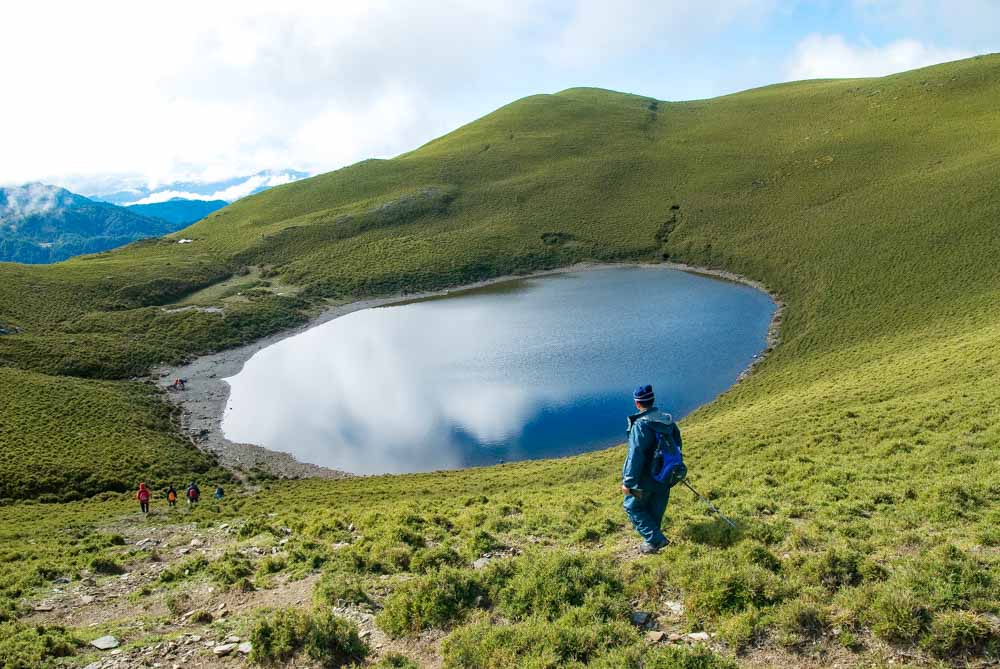
Backdrop to a thousand profile pictures, Jiaming Lake has haunted my I-need-to-escape-this-city daydreams since I first learned of it. This high-mountain pool occupies a lofty spot on the southern side of Taitung County’s Mt. Sancha, and is nicknamed the Angel’s Teardrop because of how, on clear days, its surface forms a perfect blue mirror of the heavens. It’s also famed for attracting Formosan sambar deer – hikers answering nocturnal calls of nature are likely to find a small army of glowing eyes staring illuminated in the beam of their headlamps. After securing accommodation at Xiangyang Cabin (night one) and Jiaming Lake Cabin (night two), hikers should then apply for a Mountain Entry Permit and arrange their own transport to the trailhead.
Mt. Snow
Rising an imposing 3,886 meters above sea level, Mt. Snow (aka Xueshan) is Taiwan’s second-highest peak. Situated within the scenic environs of Shei-Pa National Park (www.spnp.gov.tw), this mountain is home to endemic species, such as the Taiwan serow, and is renowned for its spectacular dark sky stargazing opportunities. The most common route is a challenging two-day, one-night climb starting from Xueshan Trailhead Service Station (where hikers must present their Park Entry Permit), with an overnight at 369 Lodge (reservation required; meals available), although if you’re attempting the climb using only public transport, a three-day, two-night trip with an extra stop at Qika Lodge works best.
Nanhudashan
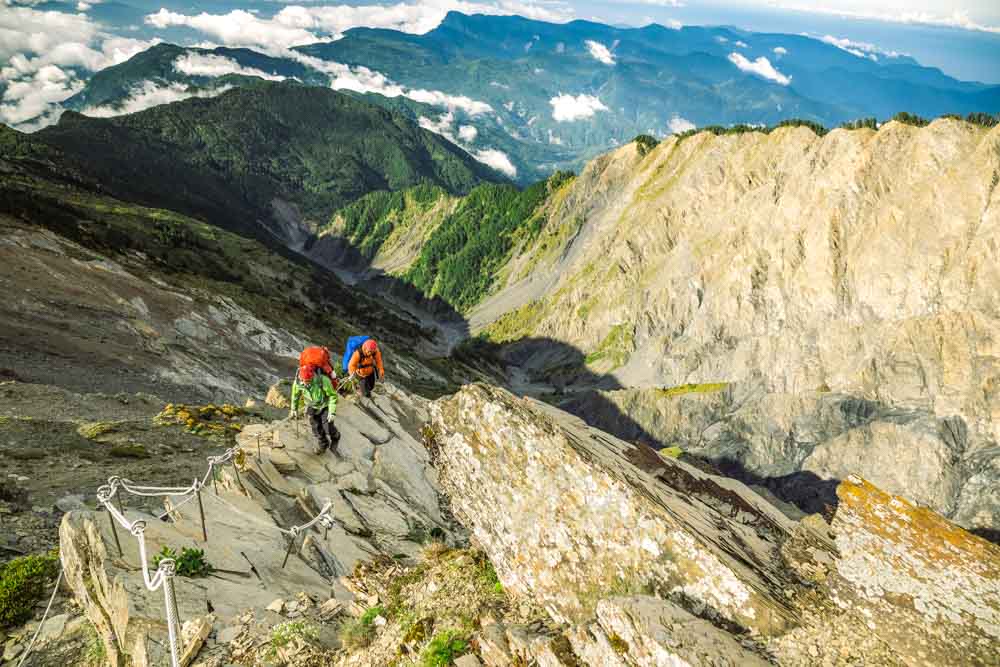
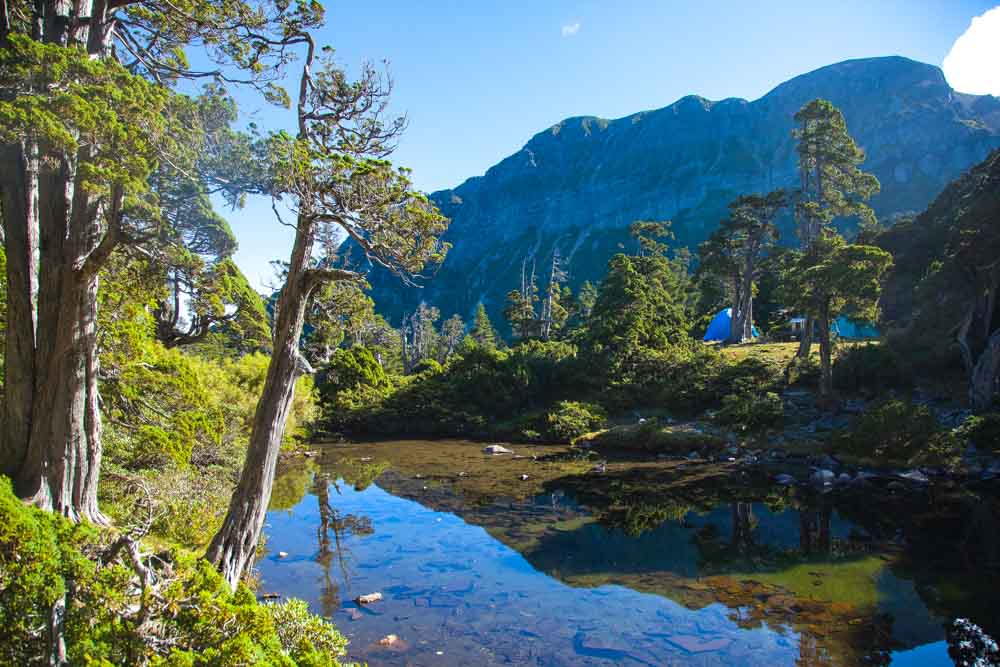
Tallest among the majestic summits of Taroko National Park (www.taroko.gov.tw), Nanhudashan (like Mt. Snow) is one of Taiwan’s Bai Yue (literally “Hundred Peaks”; a list of one hundred peaks over 3,000 meters that Taiwanese alpinists dream of conquering). Typically climbed as part of a four-day, three-night, 50-kilometer assault that encompasses several Bai Yue summits over intensive 8- to 10-hour hiking days, this trek is not for the unfit or inexperienced (especially during the snow season). Part of the route sits within an ecological protection area, so both a Park Entry Permit and Mountain Entry Permit are required (along with cabin/campsite reservations), but hikers who brave the physical and bureaucratic challenges are rewarded with some of the most dramatically beautiful scenery Taiwan has to offer.