

Charting a Slow Course Through Local Tradition and Transformation
TEXT | AMI BARNES
PHOTOS |CHEN CHENG-KUO
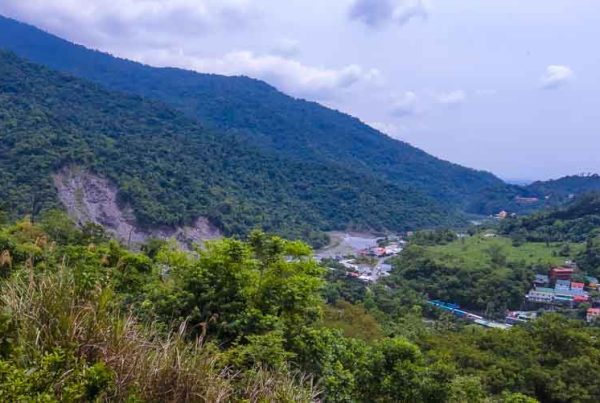
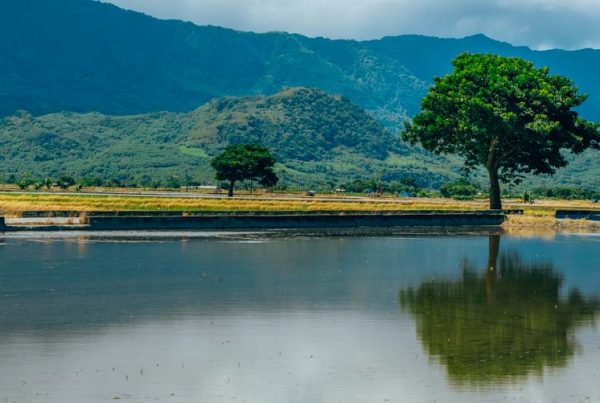
Wedged between the parallel peaks of the Coastal Mountain Range and the Central Mountain Range lies the East Rift Valley. It’s a place of exterior drama and inner peace, and — with its gentle bikeways, abundant nature, and community-oriented initiatives — it’s also the ideal playground for a spot of slow, low-carbon exploration.
Hualien County has a lot going for it. A three-hour train ride away from Taipei, here the mountains are taller, the air is clearer, the rice sweeter, the quiet quieter, nature closer, prices lower, and the pace of life commensurately more relaxed. Sure, the county has had a rough couple of years. First, there was the 2024 Hualien earthquake, then last year’s flooding in Guangfu Township. But this is Taiwan’s east coast; typhoons and seismic activity are par for the course – as much a part of life’s fabric as the sunrises that daily chase morning mists from the rice paddies. Things happen, the world keeps turning, and the hardy people of Hualien have more important things to be getting on with – welcoming new visitors, for starters.
Content
Guangfu Township
This journey begins in Guangfu Township. An agricultural township in central Hualien County, where roughly half the population claims indigenous Amis ancestry, Guangfu rarely garners much attention. However, on September 23, 2025, the township’s namesake town shot to infamy when torrential rain during Super Typhoon Ragasa sent 15.4 million cubic meters of water racing down the Matai’an Creek. News footage showed the surge effortlessly taking out a four-lane bridge, and for weeks afterwards, social media was inundated with photos of streets and residences caked in viscous mud the color of ash.
When Travel in Taiwan visited three months later, much still had to be done, but progress was being made. Traffic flowed over a new (albeit temporary) bridge, the town church’s 2025 Christmas trees had been fashioned from donated shovels and rain boots, and in areas that escaped the flooding, life had resumed remarkably quickly.
Hualien Tourism Sugar Factory
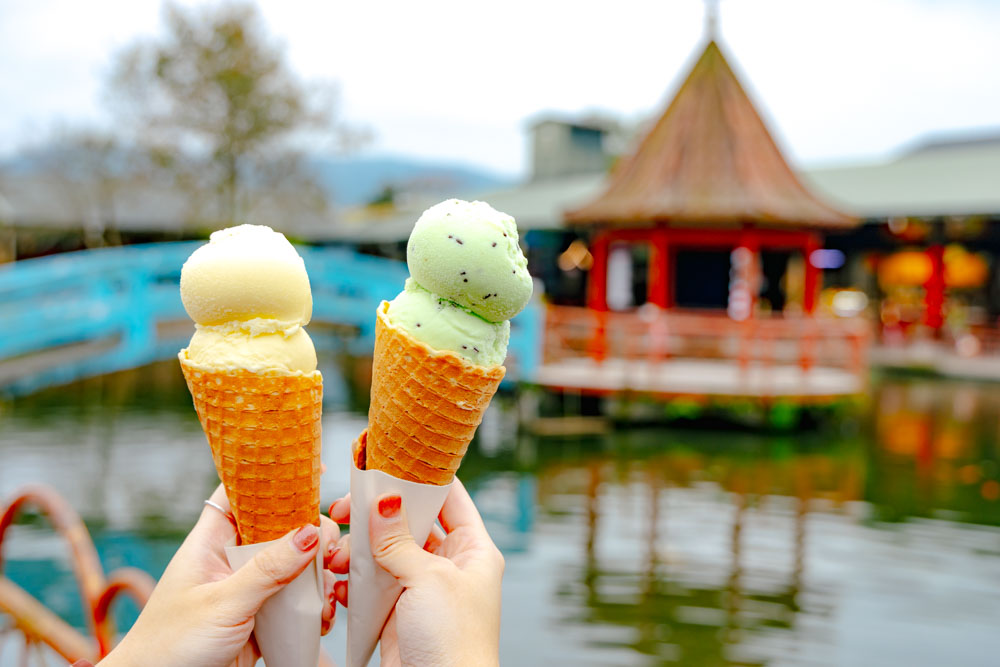
Among those places spared from damage was the decommissioned Guangfu Sugar Factory, now officially named Hualien Tourism Sugar Factory. Since the facility ceased production in 2002, the Taiwan Sugar Corporation has maintained ownership of the site, turning it into a mixed-purpose attraction. Relics from the factory’s former glory years are dotted amongst the snack vendors and old buildings, and a museum pays homage to this bygone era with artefacts and first-person accounts from individuals who worked here. However, based on this writer’s (non-scientifically verified) observations, none of these is Guangfu Sugar Factory’s biggest attraction. That distinction goes to the ice-cream stall. Simple and old-fashioned in both styling and service, the stall is one of those places that manages to cultivate an air of nostalgia by dint of just never changing. Ingredients used are local, and flavors tend towards the traditional (adzuki bean, taro, peanut), with occasional oddities (wasabi, roselle) also on offer.
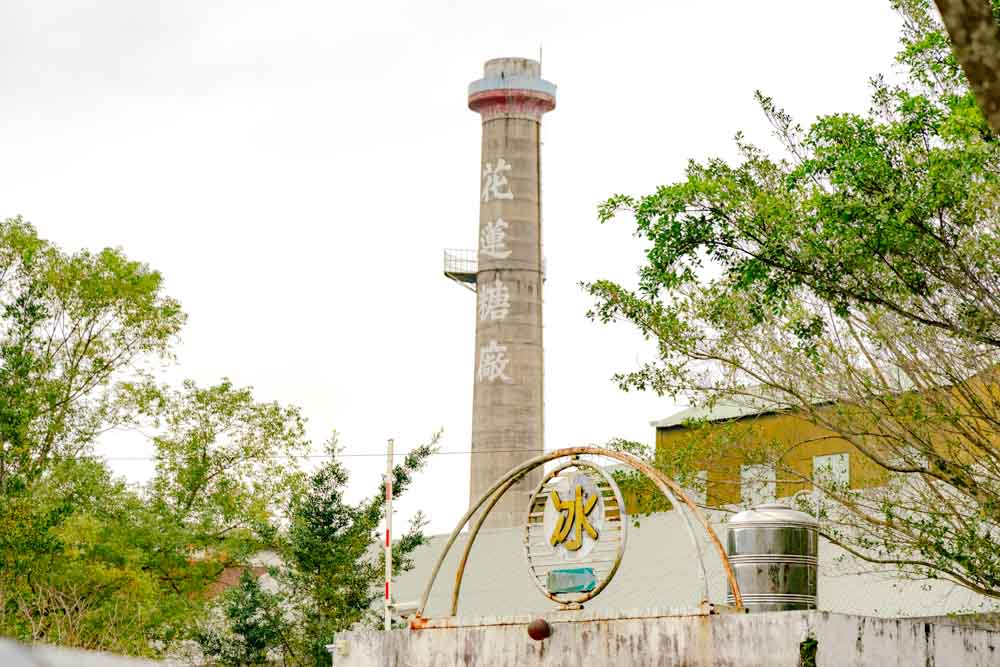
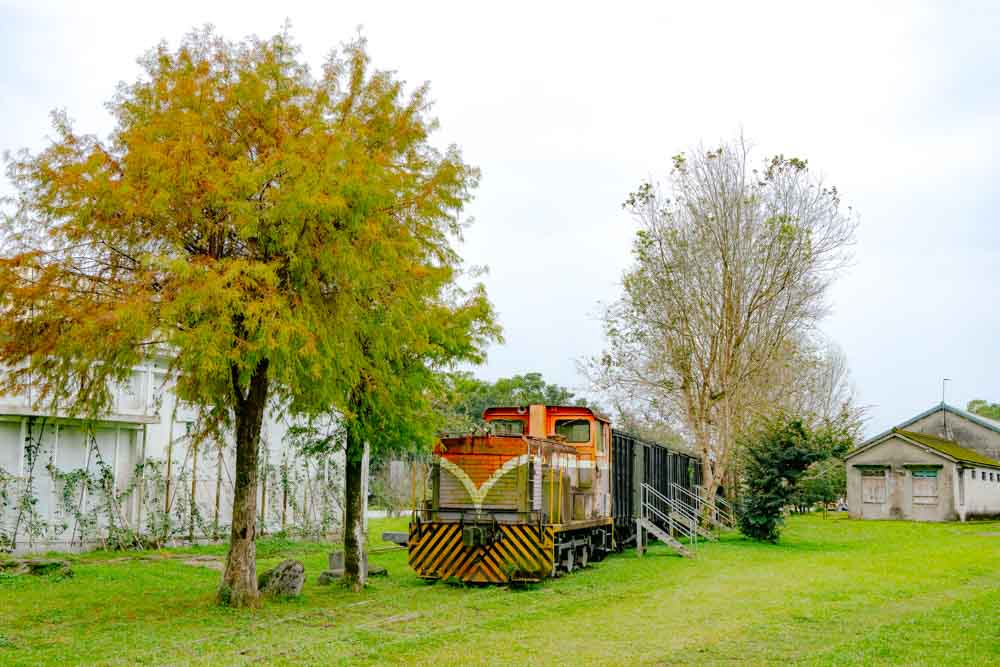
One group of visitors specifically catered to at the Hualien Tourism Sugar Factory is cyclists. For those attempting to pedal around the whole of Taiwan’s main island, this site is an excellent pitstop. In addition to offering refreshments and basic-repair facilities, affordable accommodation is available in the form of restored Japanese-style workers’ bungalows.
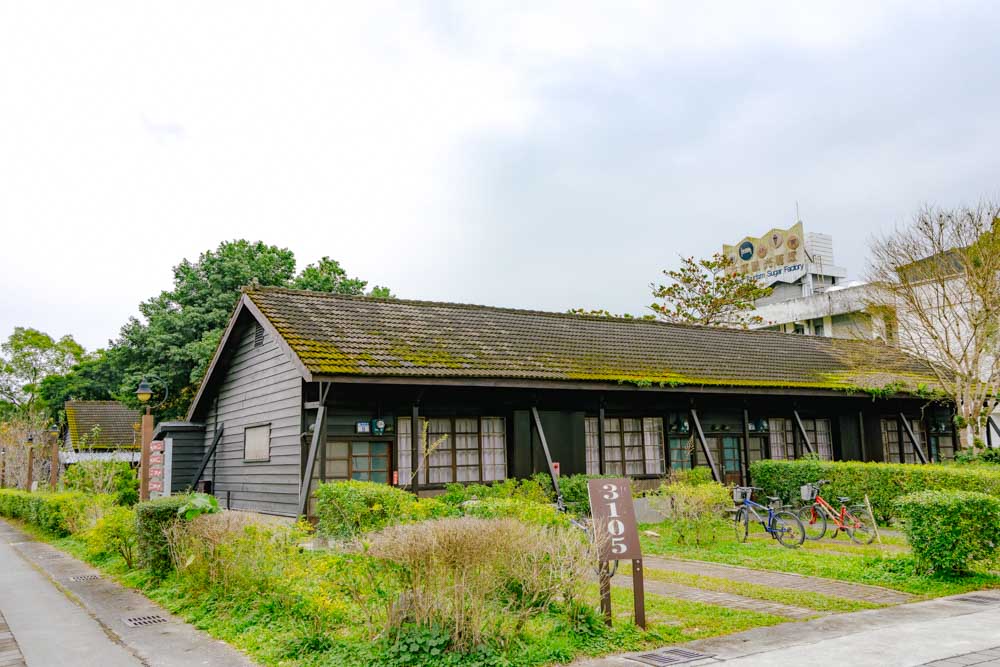
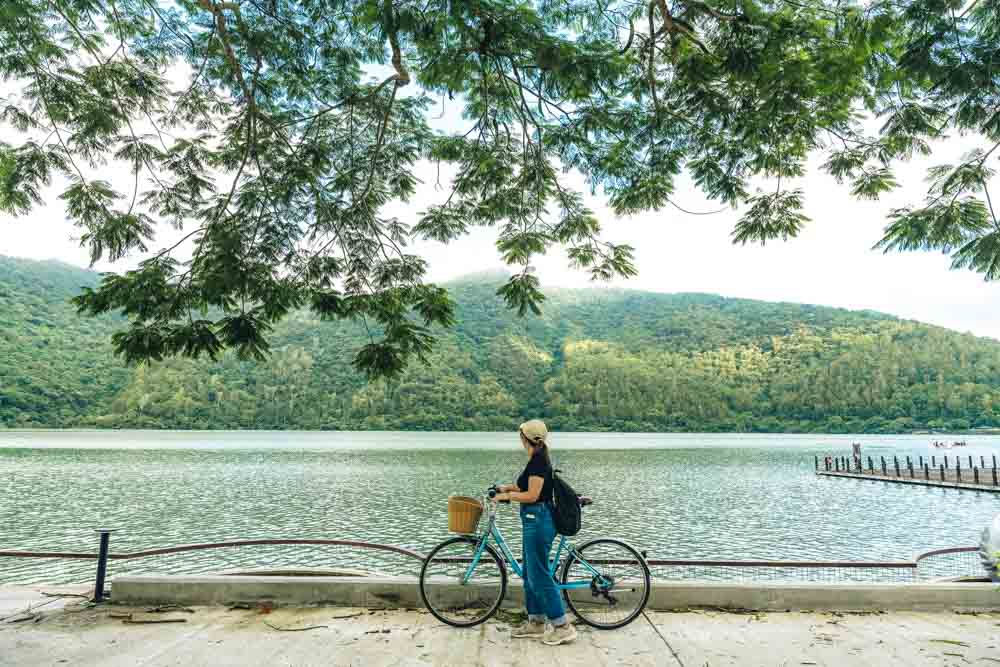
You don’t have to be a committed bikepacker to enjoy Guangfu on two wheels – bikes (and e-bikes) can be rented on the sugar factory grounds for short one-day adventures. If you have a few hours to spare, the 15.9-kilometer Guangfu Bikeway is a pleasant, flattish loop through farmland and villages on mixed-use back lanes.
Hualien Tourism Sugar Factory | 花蓮觀光糖廠
Add: No. 19, Tangchang St., Guangfu Township, Hualien County
(花蓮縣光復鄉糖廠街19號)
Tel: (03) 870-5881
Website: www.taisugar.com.tw/resting/hualian
Matai’an Wetland Ecological Park
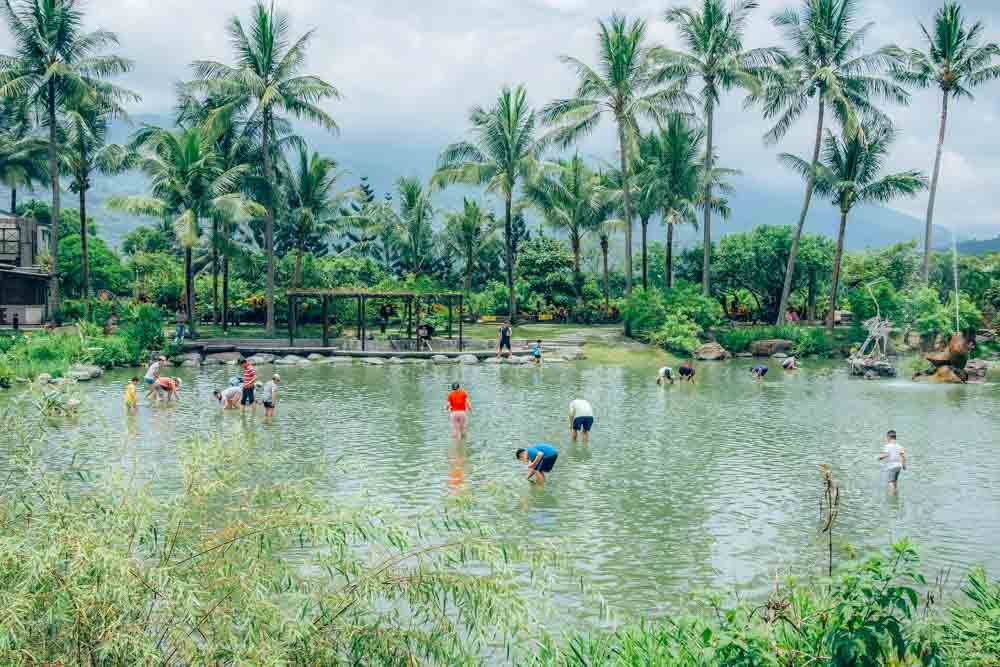
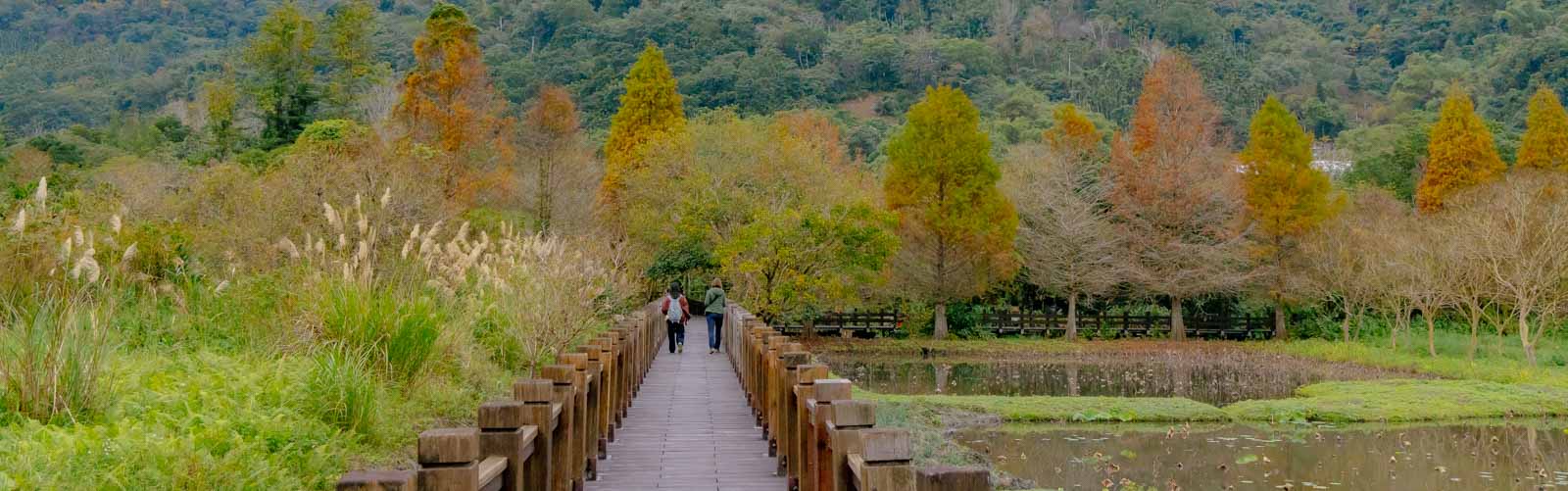
Bikers can also easily reach the Matai’an Wetland Ecological Park, which is a brief and easy 1-kilometer jaunt away from the sugar factory. Fudeng Creek’s pristine waters flow lazily through the park, supporting a rich ecosystem of plants and wildlife. Near one entrance, pools delineated by raised stone banks and filled with layered branches demonstrate the Amis’ palakaw fishing method, a self-sustaining technique used for generations, while deeper into the park, boardwalks invite you to stroll around larger pools. In winter, bald cypresses in the shallows add a dash of burnt ochre to the greenery. Springtime visitors might spot fireflies dancing through the reeds at dusk, then from May through August, pink water lilies blanket the surface of the waters. And if you find yourself feeling peckish, the lanes around the wetland park are home to several small establishments serving up stone soup, an Amis dish cooked by immersing hot stones directly into the cooking pot.
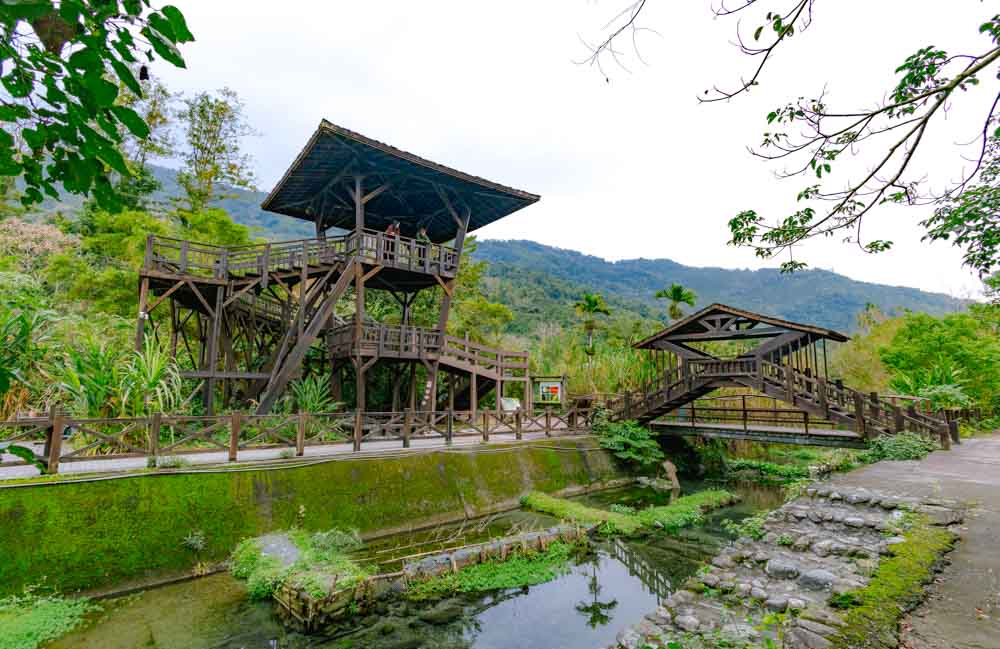
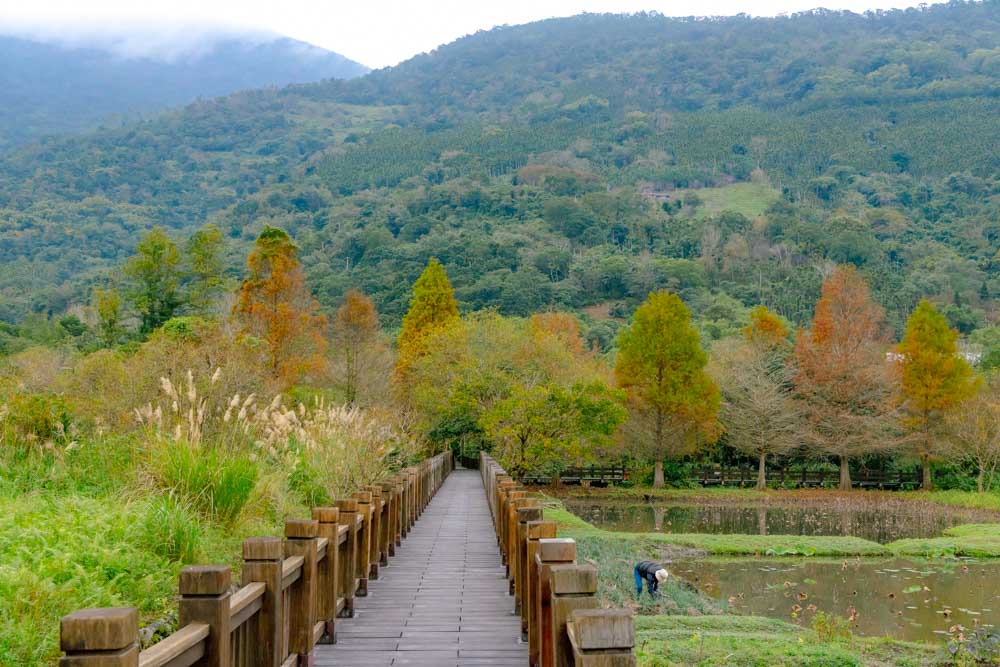
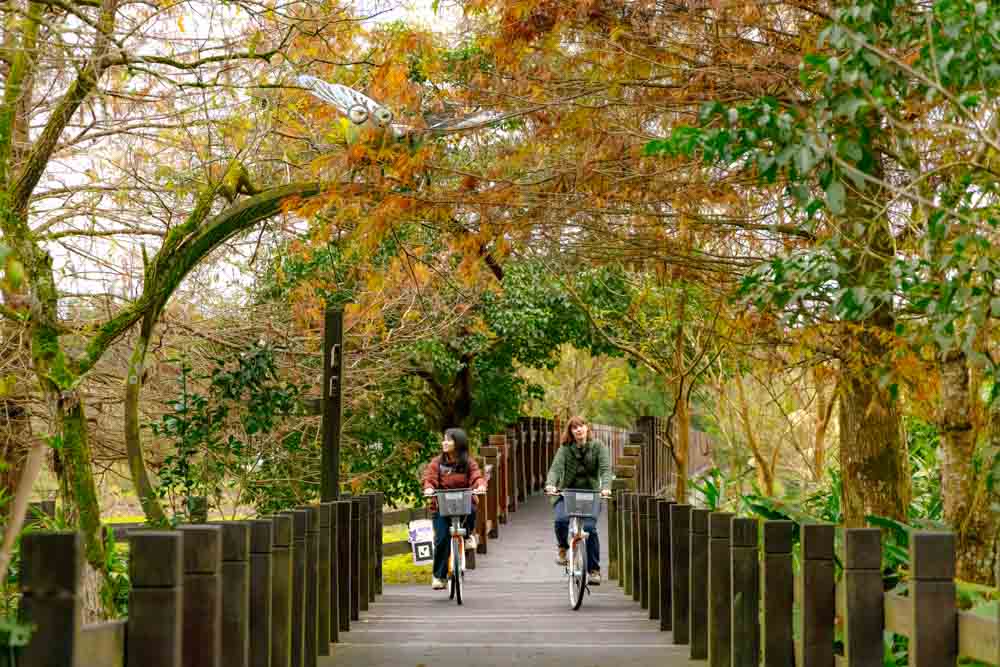
Matai’an Wetland Ecological Park | 馬太鞍溼地生態園區
Add: No. 55, Daquan St., Daquan Village, Guangfu Township, Hualien County
(花蓮縣光復鄉大全村大全街55號)
Tel: 0975-350-520
FB: www.facebook.com/fataan.wetland
Wanrong Township
Neighboring Guangfu on three sides is mountainous Wanrong Township, the majestic peaks of the Central Mountain Range visible beyond its east-side foothills. Its majority-indigenous population (mostly members of the Truku, Bunun, and Atayal groups) is concentrated in eight settlements. It’s on the edge of one foothills community north of Guangfu town – Ciyakang Village – that the facility used by Akay Play Life, a group that offers immersive indigenous experiences, can be found.
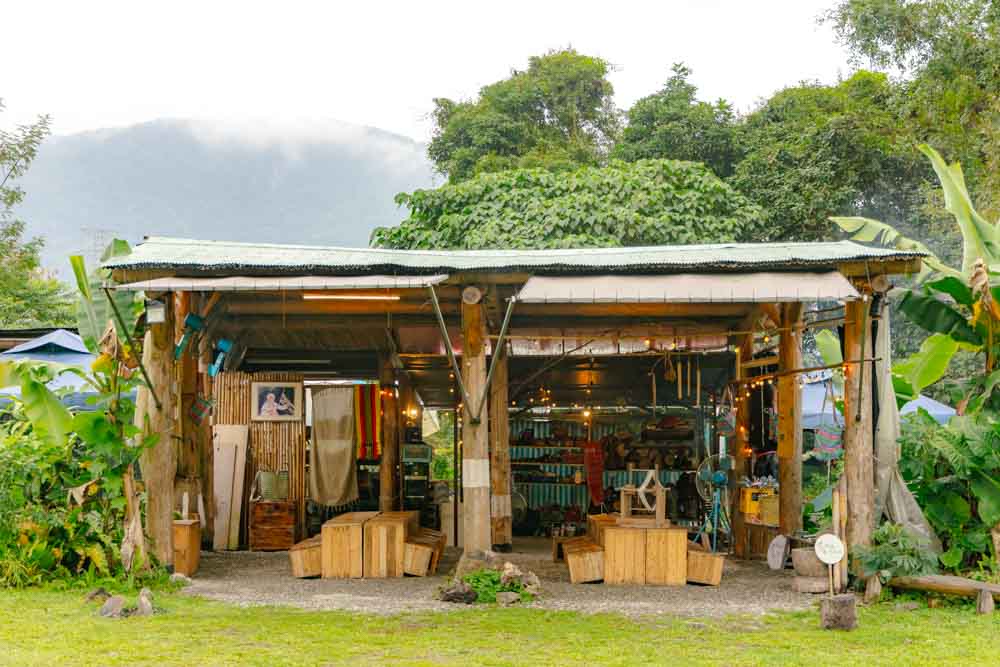
In the Truku tongue, akay was originally an interjection uttered in pain or exasperation. “Like when someone steps on your foot,” explained our guide, Bakun Ruiy. At first glance, this seems a strange name for a business, but as tends to happen in living languages, meanings shift, and in the mouths of today’s young, akay is an expression of awe or admiration, making it a perfectly apt moniker for a youth-owned venture celebrating Truku culture in all its lived complexity.
We had signed up for a half-day weaving and fabric-dyeing experience, arriving at the small, mostly outdoor venue on a morning when the fog hung low and our breath was rendered visible by the cold. (Other offerings include river-tracing adventures that allow you to immerse yourself in the landscape, foraging and culinary experiences, which technically do the inverse, and storytelling sessions paired with hands-on archaeological excursions – the only activity of its kind in Taiwan.)
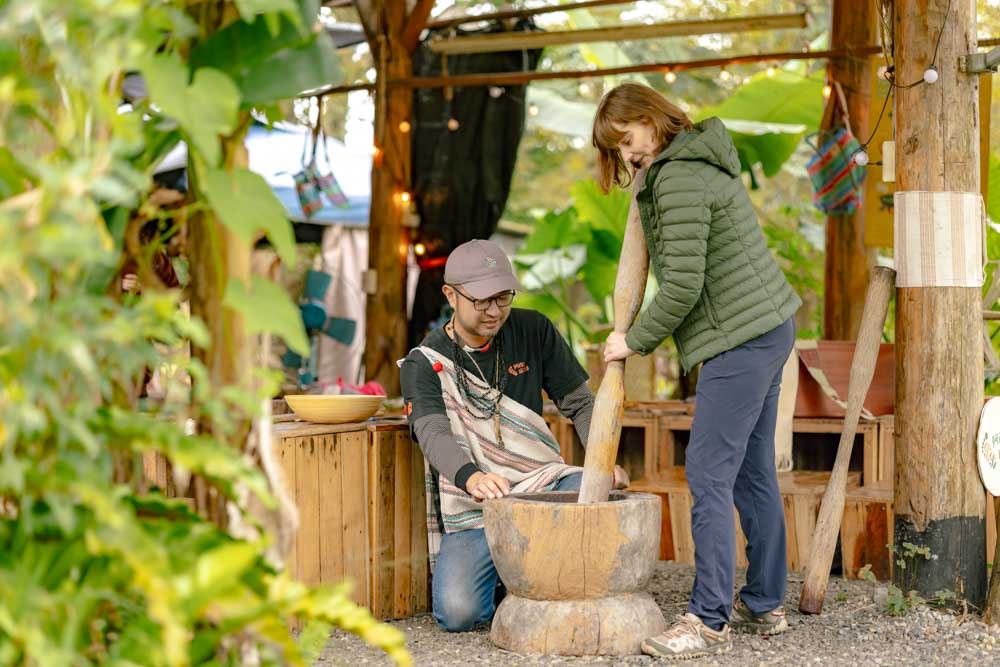
Waiting for Ruiy to get set up, we gravitated to the facility’s chicken coop, where plump, healthy-looking chooks with glossy feathers and curious eyes were vocalizing their deep desire for more food scraps, pronto. “Let yourselves in,” Ruiy shouted from over in the firepit, “just don’t let them escape!” And as they swarmed, pecking at my shins, it was immediately clear that Akay Play Life provides the kind of place where curiosity is encouraged and exploration invited, the kind of place that you’ll leave with dirt under your fingernails and a body-memory understanding in your blood.

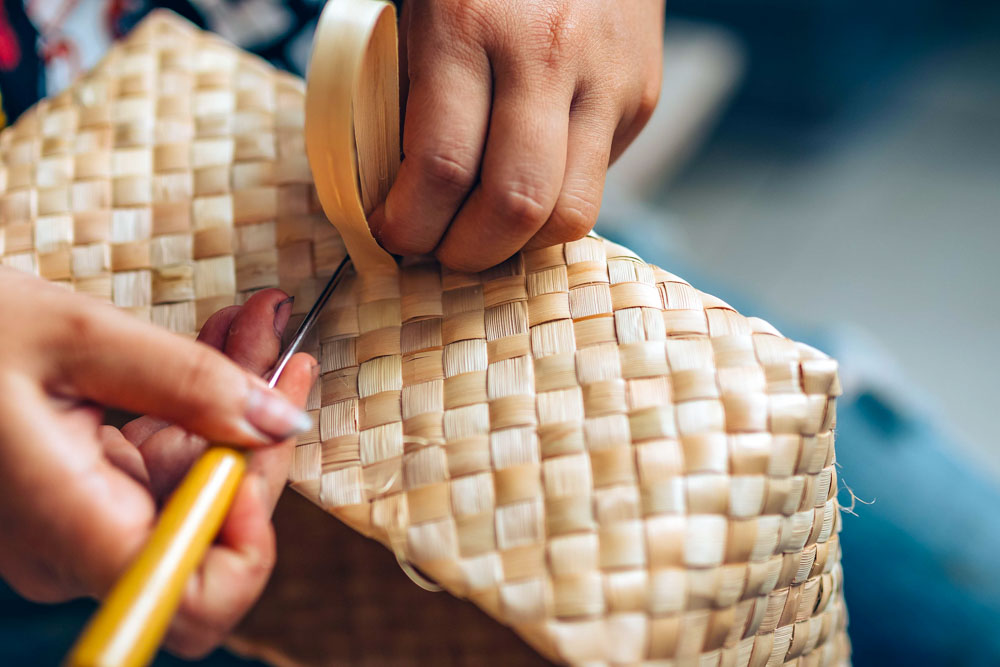
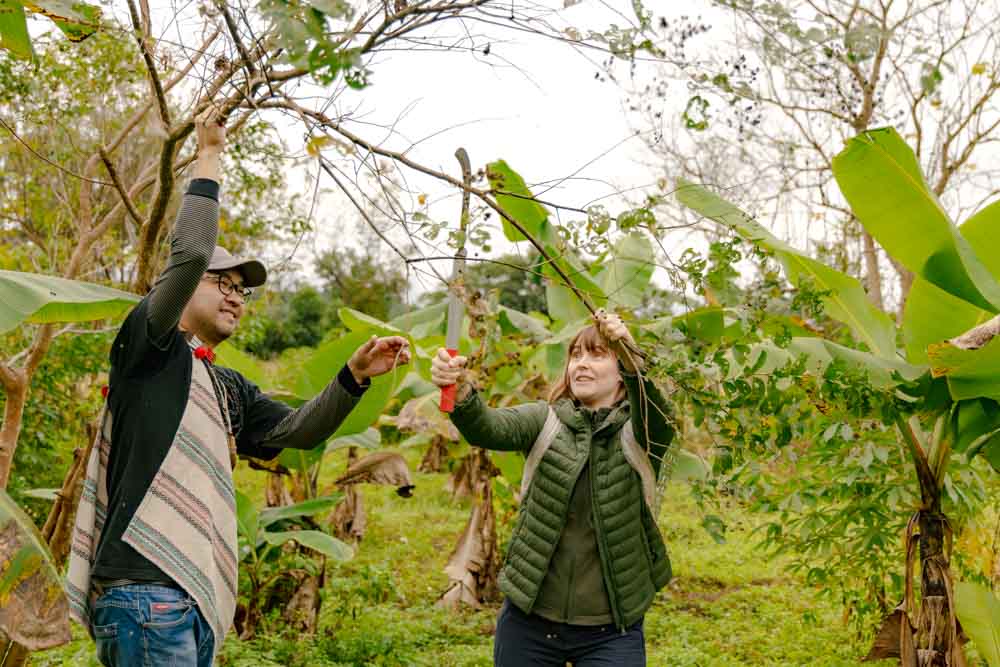
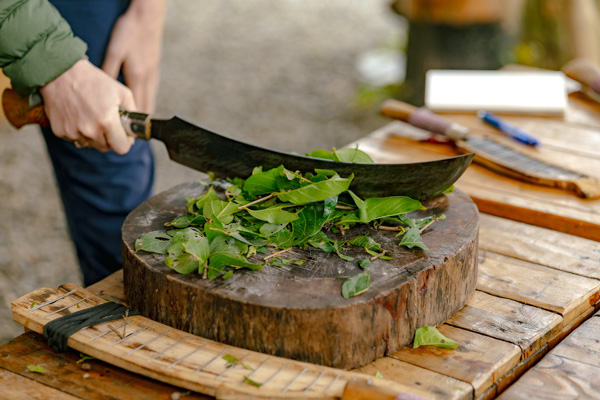
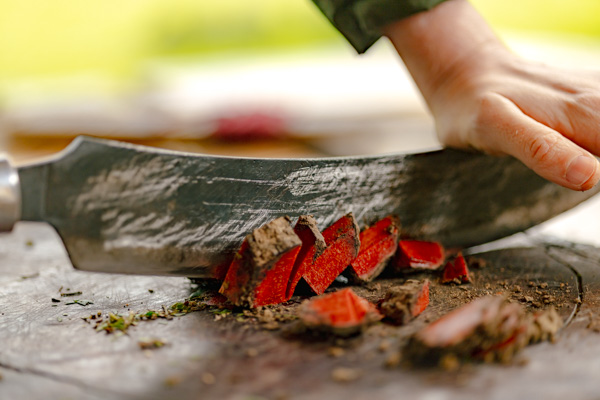
Sure enough, we soon found ourselves wielding huge machetes aloft, hacking limbs off a crepe myrtle tree, and our hands were stained red by the mashed-up tuber root of a Dioscorea cirrhosa vine (both plants are used to dye cloth). As we later stirred our cloth designs in a huge cauldron, the smoke chased me around the firepit, which Ruiy delighted in telling me meant I must have done something to anger the spirits according to Truku lore.
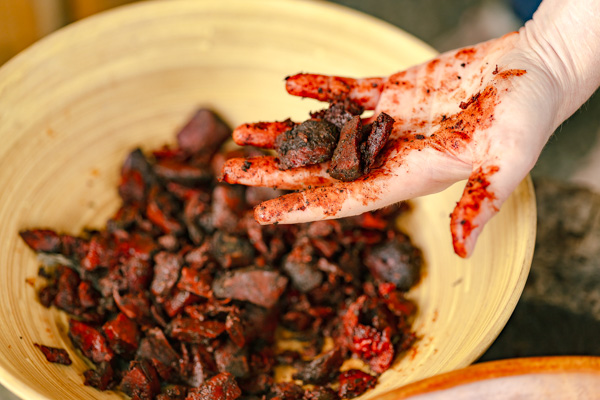
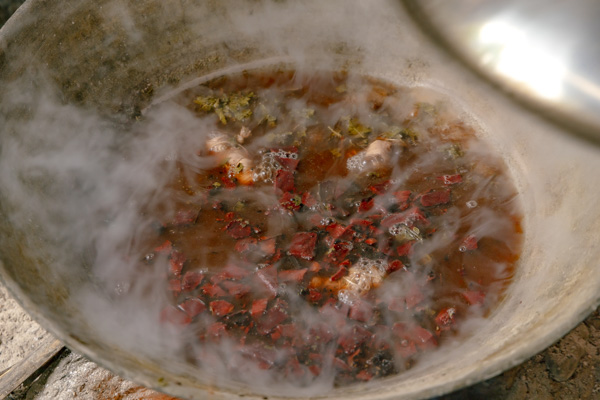
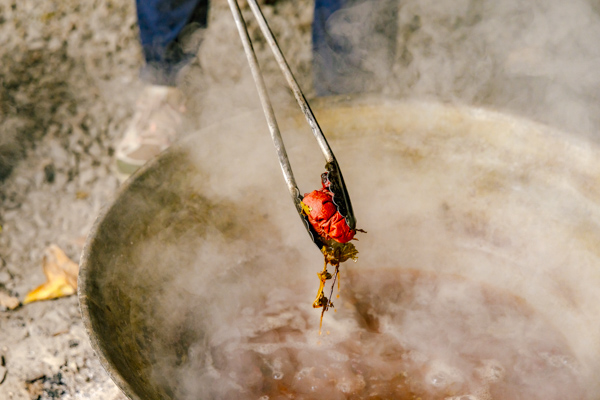
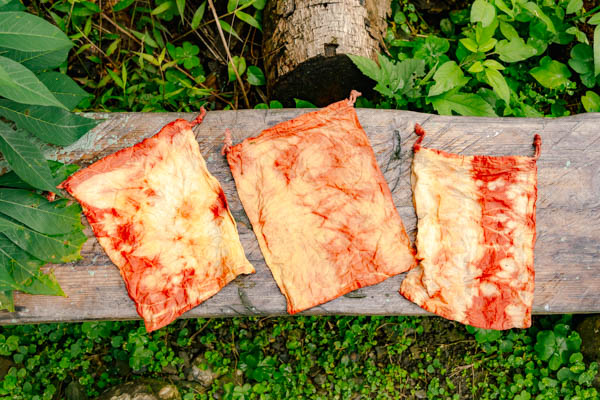
Throughout the experience, Ruiy casually mixed observations like this with instructions and stories from his own life. Despite growing up locally, he only really began engaging with his culture when he returned after a stint in Taipei, and he was evidently grateful to be making up for lost time. Wandering along a lane during a village plant tour, he pointed out plants first by their Truku name, repeating the words and enjoying our attempts to echo him. For Ruiy, this passing on of knowledge is not just a job. It’s existential. Since hunting and mastery of the loom are no longer prerequisites for survival, cultural ambassadorship offers an alternative route to follow his ancestors “over the rainbow bridge” and into the afterlife. His sincerity was writ large in the goosebumps on his skin as he told us this.

In the end, half a day felt like far too short a stay, but we didn’t go home empty-handed. In addition to my hand-dyeing project, I left with the Truku word for chicken (rudux) lodged in my brain and the sweet, comforting scent of woodsmoke clinging to my coat.
Akay Play Life | 阿改玩生活
Add: No. 162-1, Neighborhood 9, Xilin Village, Wanrong Township, Hualien County
(花蓮縣萬榮鄉西林村9鄰162-1號)
Tel: (03) 877-2862
Website: akayplaylife.com
FB:www.facebook.com/akay.playlife
Xincheng Township
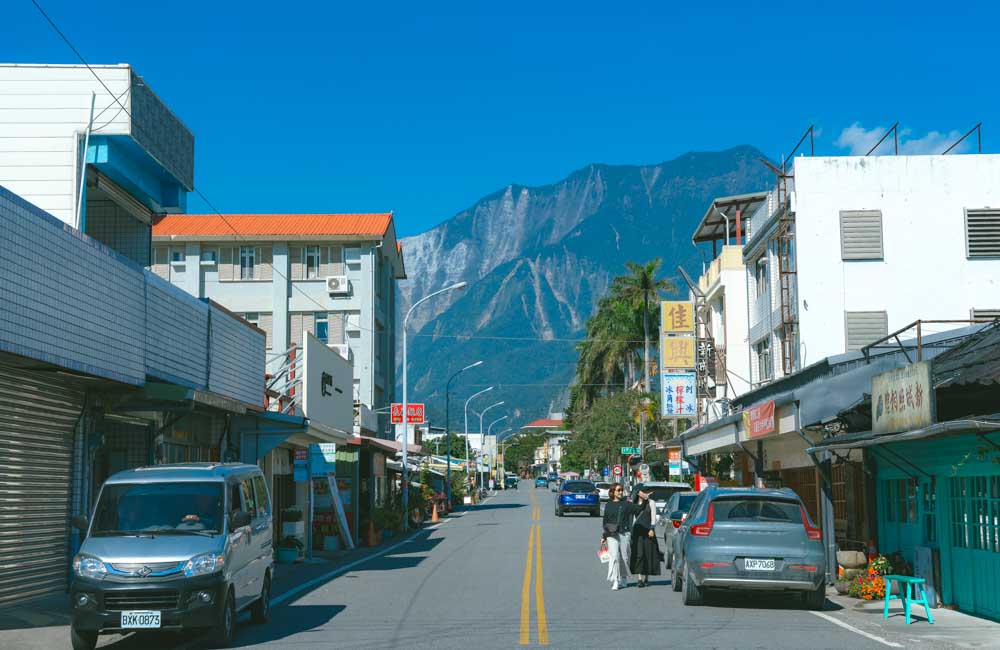
Let’s head out of the East Rift Valley now, beyond its north end. For years, Xincheng – a diminutive coastal settlement with an oversized train station, located north of Hualien City – was simply a springboard for onward travel into the marble-walled wonders of Taroko Gorge. So naturally, when the 2024 Hualien earthquake temporarily suspended travel into the gorge, this former gold-mining town was robbed of its main draw. Now, as visitor numbers begin to creep up again, residents are seeking new ways to put their home on the map.
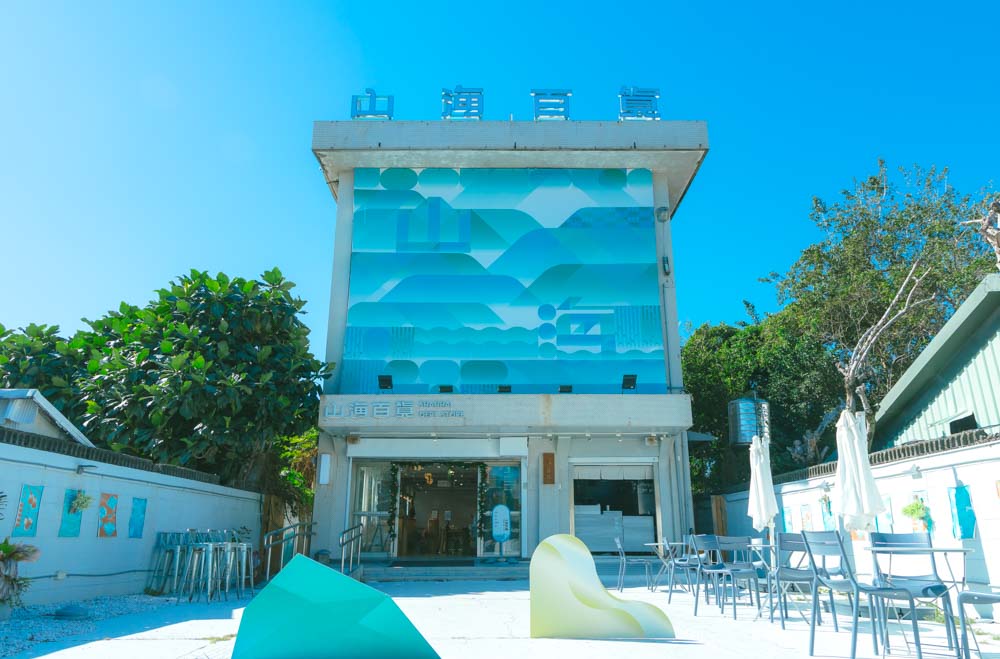
The Shanhai Department Store is among the ventures established amidst the aftershocks. (For English speakers, “department store” might bring to mind images of a large building crammed with branded concessions. Recalibrate your expectations – “Shanhai Boutique” would be more accurate.) The store, which also features a café serving up Amis cuisine, bills itself as a lifestyle hub committed to the preservation of local stories, championing of sustainable production, and celebration of regional diversity.
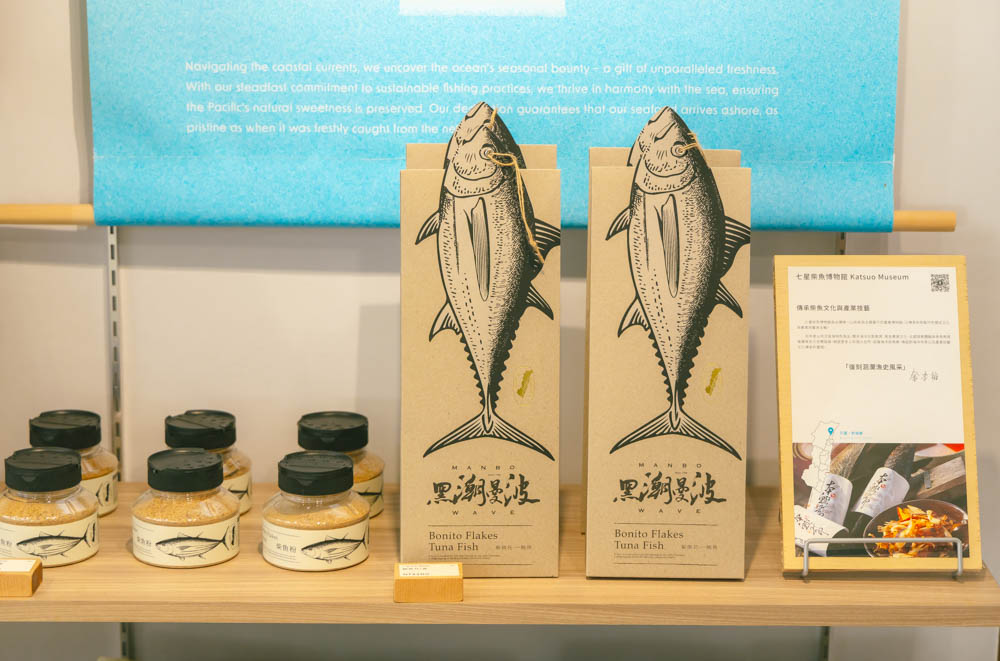
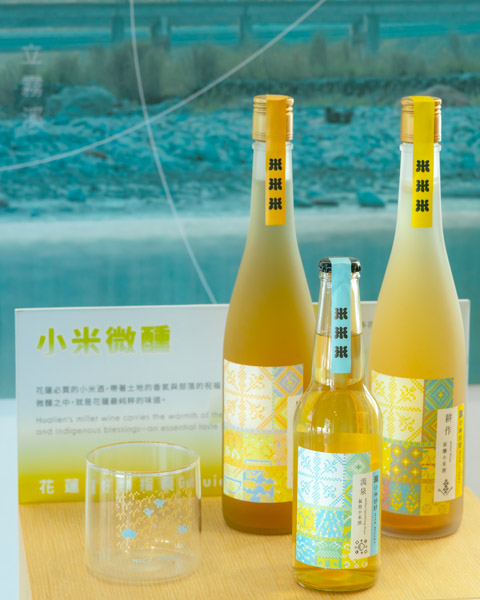
If you’re looking for deeply local souvenirs, this place is a goldmine. On its shelves are wares from all kinds of small-scale Hualien producers. There are consumables such as bonito-based snacks from the Chihsing Tan Katsuo Museum in Hualien City; smooth, honey-sweetened millet wine produced by a company named Fengtian; and intriguing nuts (mala/numbing spicy peanut butter, anyone?) crafted by Jing Hó Peanut Cuisine. Other brands include Liwu Fragrances (perfumes infused with native botanicals), Verde (sleek serpentine household accessories), Qowgan Creative Workshop (trinkets fashioned from upcycled pallets and windfall wood), and WasangShow (indigenous motifs worked into wearables). If you see something you like, snap it up – few of these items are available in Taipei.
Shanhai Department Store | 山海百貨
Add: No. 39, Bo’ai Rd., Xincheng Township, Hualien County
(花蓮縣新城鄉博愛路39號)
Tel: (03) 861-0800
Website: etude.tw
IG: www.instagram.com/shanhai.dept.store
The store is not the only reason to visit Xincheng, either. Jiaxing Ice Store – locally famed for its thirst-quenching lemonade – is just a short walk away. The town’s Catholic church is also worth a visit. This beautiful, vine-covered structure was built to resemble Noah’s ark, and within the grounds, you can still spot elements retained from the Shinto shrine that previously stood on the same spot.
Hualien City
Jiang Jun Fu 1936
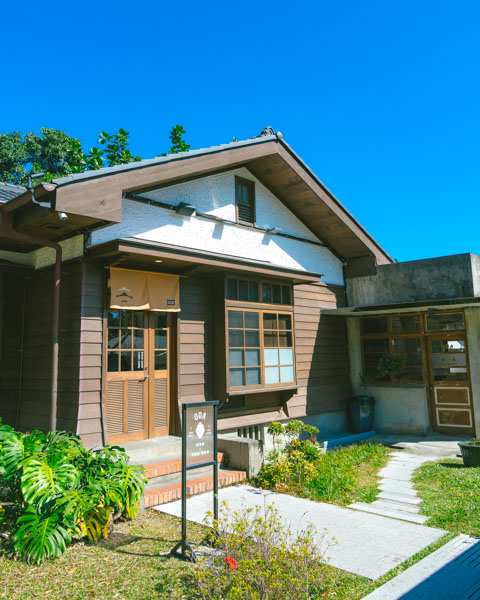
Opened in early 2024, Jiang Jun Fu 1936 is one of Hualien City’s newer attractions. It’s a leisure and cultural hub occupying a cluster of dormitories built on the banks of the Meilun River during the city’s 1895-1945 Japanese-era expansion. The facilities were later pressed into service as army barracks before finding their third and current occupation. Now, under the shade of elderly banyans, snack vendors, refined eateries, souvenir stores, and craft workshops have moved into the carefully restored buildings.
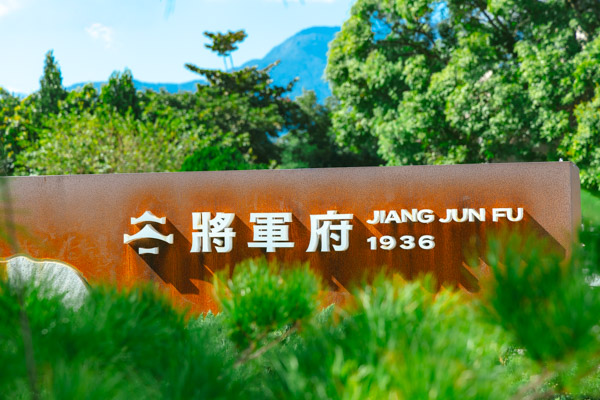
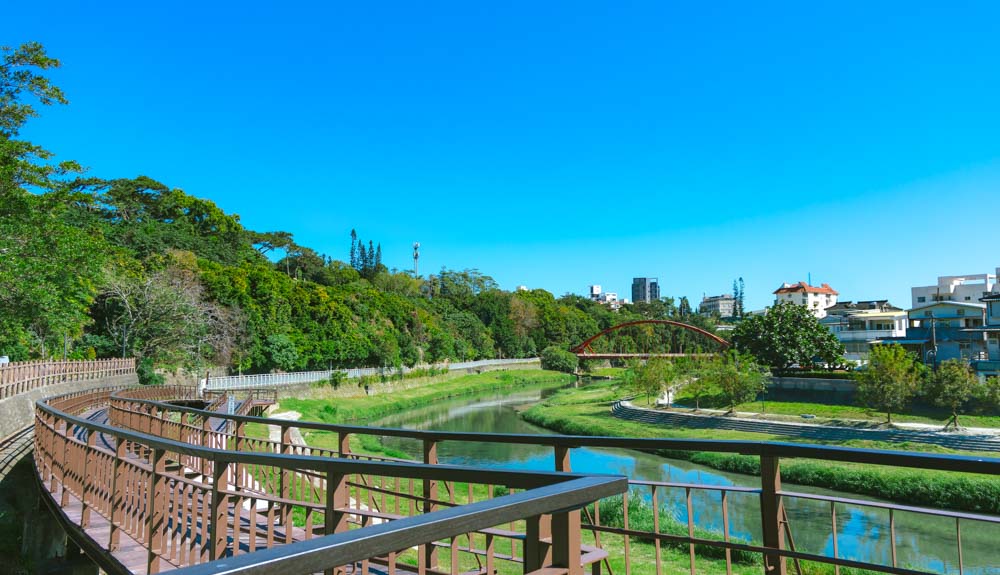
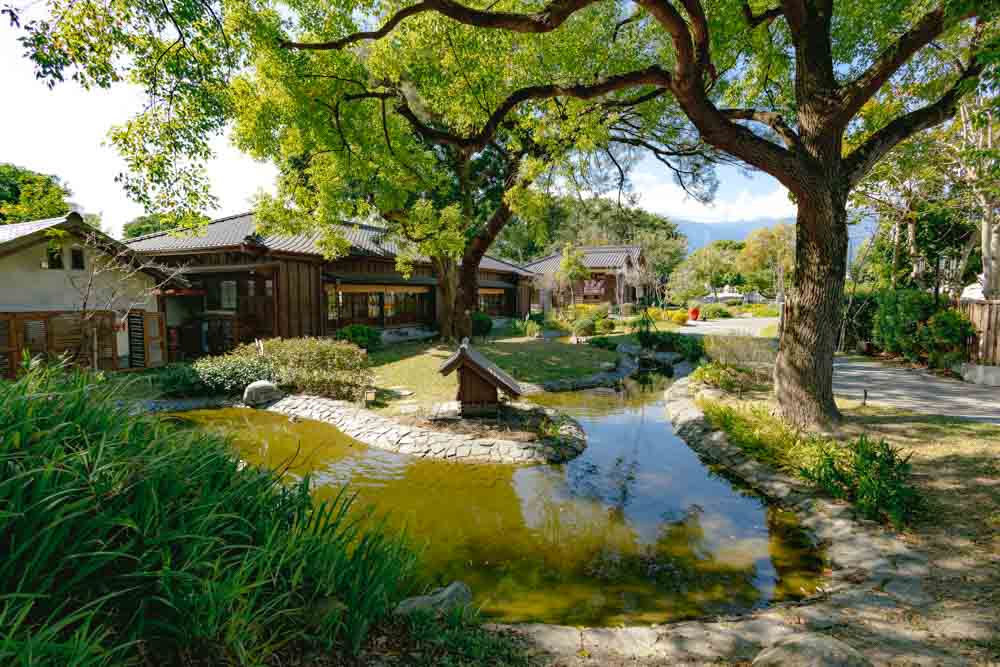
A relaxed buzz filled the air as we went in search of provisions to pep up our flagging steps, having had an unusually early start that morning. Coffee was very much in order, so we made a stop at iDrip Café to attend to our caffeine needs and then snagged a sweet pick-me-up from OOA Bakery. When a store sells only one product – as is the case here – you just know it’s going to be good, and OOA’s taro croissants do not disappoint. The crispy comestibles are stuffed full of a sweet paste made from taro grown in Ji’an Township, just to the south of the city, and baked with a crumbly crust of salted-egg biscuit. It sounds like culinary chaos, but the balance of sweet, buttery, eggy, crunchy, and creamy is a flavor mash-up that lands squarely on the right side of the line between madness and genius. Just make sure you’ve got tissues at the ready, because there’s no way you’re getting through one of these without making a mess.
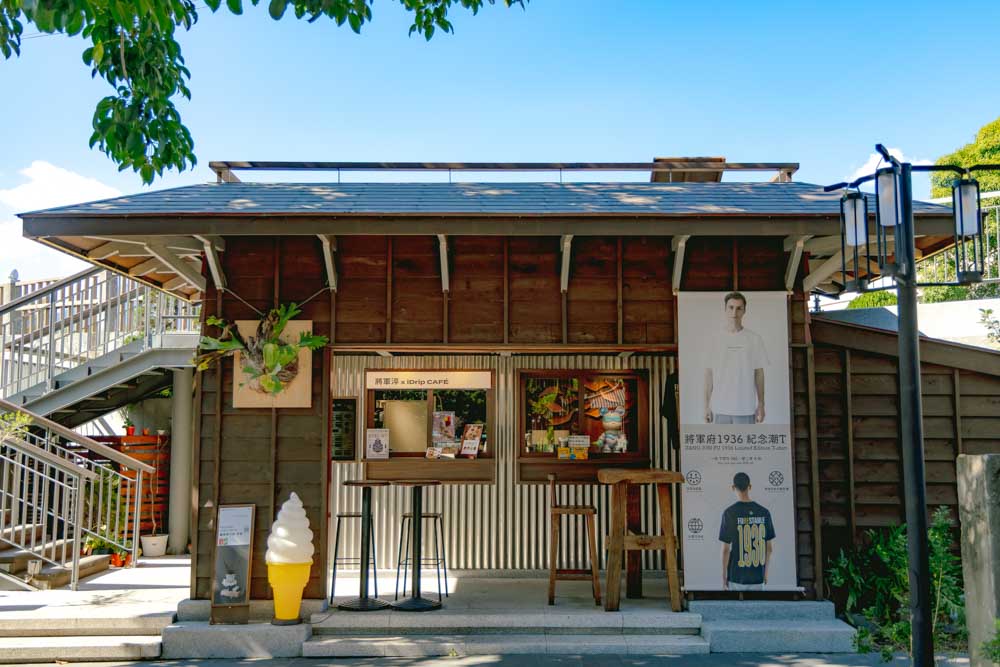

Jiang Jun Fu 1936 | 將軍府1936
Add: No. 6, Ln. 622, Zhongzheng Rd., Hualien City, Hualien County
(花蓮縣花蓮市中正路622巷6號)
Tel: (03) 831-6272
Website: www.jjf1936.com
IG: www.instagram.com/jiangjunfu1936
Hualien Highlights