

Culture, Food, and Scenery in Chishang Township
TEXT | SIMON FOSTER
PHOTOS | VISION
Long famous for its rice and lunchboxes, Taitung County’s Chishang Township really came into the spotlight decades back when its mesmerizingly beautiful scenery was used in some iconic Taiwanese TV adverts. Many visitors head straight for these drawcard attractions, but exploring its charming old namesake town uncovers art galleries, small museums, and provides tasty sustenance.
Chishang was home to the indigenous Makatao people before it’s potential for rice and sugarcane production was recognized by the Japanese in the early 20th century. In 1919, after catastrophic flooding in Japan’s Nagano Prefecture, 49 families from that area were resettled in Chishang, given land and houses. Their new home became known as Ikegami to the Japanese (meaning “On the Pond” – the Mandarin Chinese “Chishang” has the same meaning). The area’s pure, fresh water, rich volcanic soil, almost perfectly flat terrain, and lack of pollution lent themselves well to rice cultivation, and once an irrigation system was established and the best variety of rice selected, Chishang soon became famous as the home of Taiwan’s best rice, so good it was offered as tribute to the Japanese emperor!
To haul the rice and sugarcane, the Japanese built a network of narrow-gauge railway lines, which were connected to the main railway line (built in the early 1900s) between the cities of Hualien in the north and Taitung in the south. Back in those days, the journey between the two cities took nearly eight hours, and the increasing number of passengers traveling by train prompted entrepreneurial locals to start selling rice rolls from the platform. Over time, these snacks developed into the Chishang lunchboxes that are now sold at eateries all over the island. They usually feature pork, fresh veggies, an egg, pickled plum, and of course, the town’s famous rice.
Content
Wu Tao Chishang Lunch Box
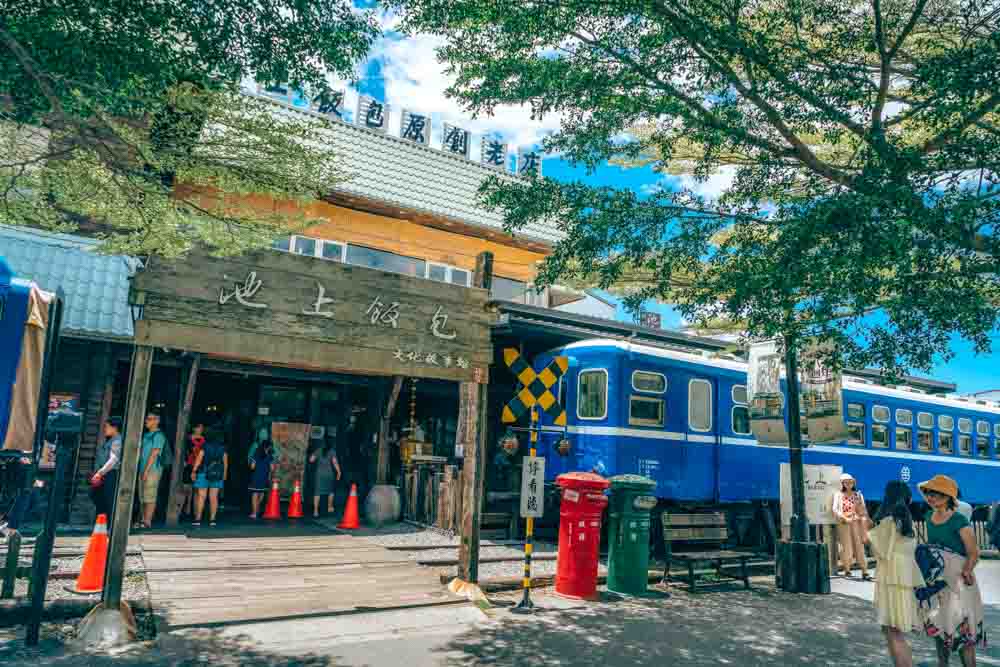
Several longstanding Chishang vendors continue selling to this day, including Wu Tao Chishang Lunch Box, which has been serving traditional lunchboxes since 1939. Meals at Wu Tao can be enjoyed inside the restaurant or in an old train carriage in front, and there’s also a small museum on the second floor, with a mock-up old-fashioned kitchen and information boards sharing more on the history of this national culinary icon.
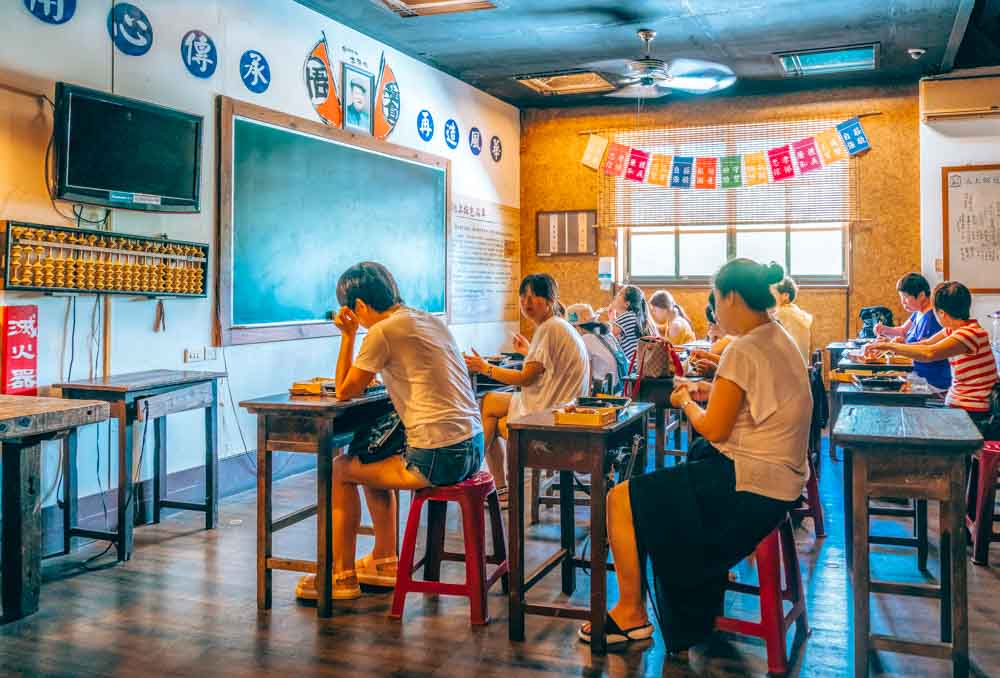
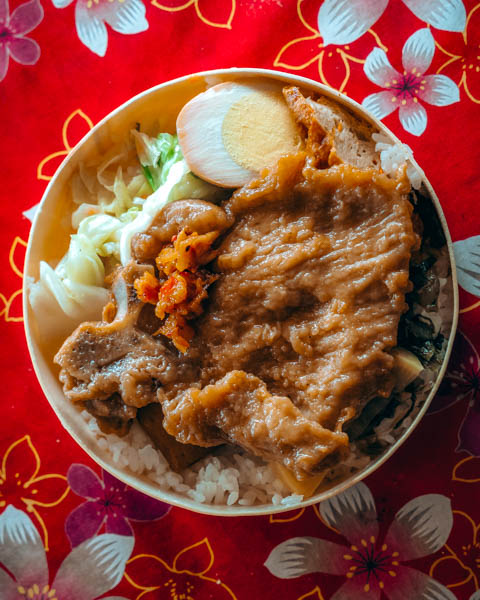
Wu Tao Chishang Lunch Box | 悟饕池上飯包
Add: No. 259, Zhongxiao Rd., Chishang Township, Taitung County
(台東縣池上鄉忠孝路259號)
Tel: (089) 862-326
Website: www.wu-tau.com
Chishang Art Center
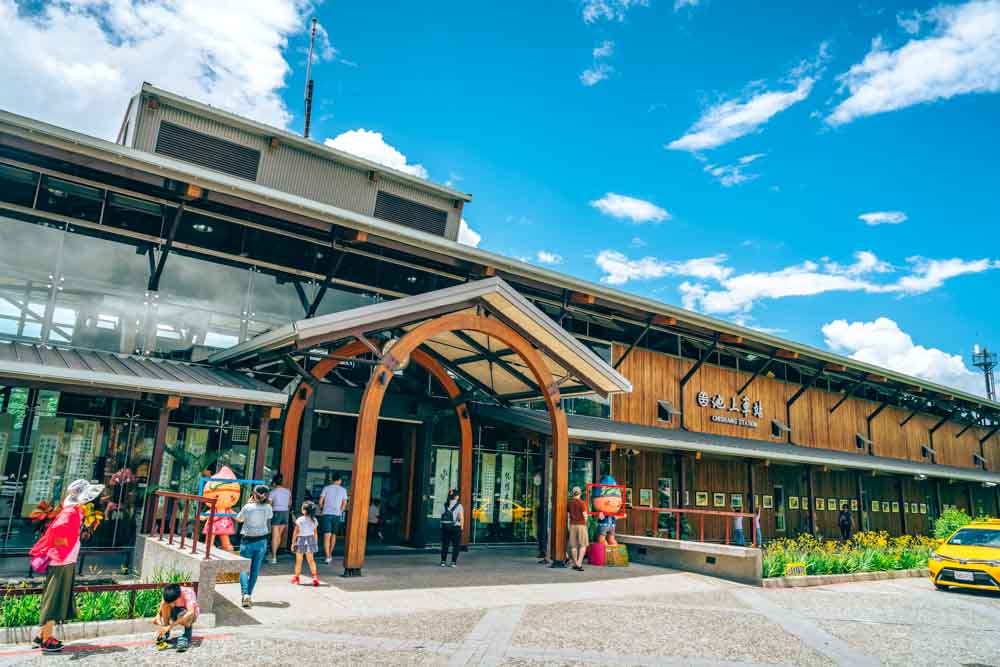
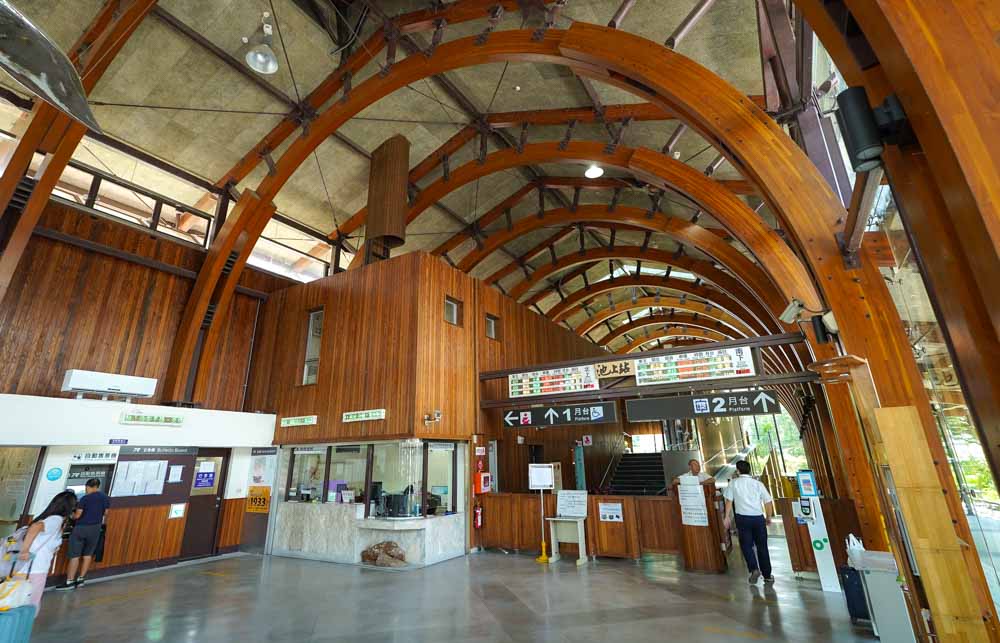
For those arriving by train, first impressions of Chishang are created by the town’s elegant, bright, and airy railway station, which features a high vaulted ceiling supported by curved wooden beams, designed to resemble a traditional rice barn. Just a short walk away, another reminder of the town’s agricultural heritage, Chishang Art Center, is housed in a genuine barn! The center was developed as part of the Lovely Taiwan Foundation’s commitment to reinvigorating small-town life on the island, financially supported by the Fubon Group. The foundation acquired several derelict properties in Chishang and renovated them as artists’ quarters, establishing the “Chishang Art Village.” The artists needed somewhere to display their work, and the notion of an art center, which could also serve as a cultural hub for the community, was born. A 60-year-old barn was donated by a local ricegrower and beautifully converted into a gallery and creative space.
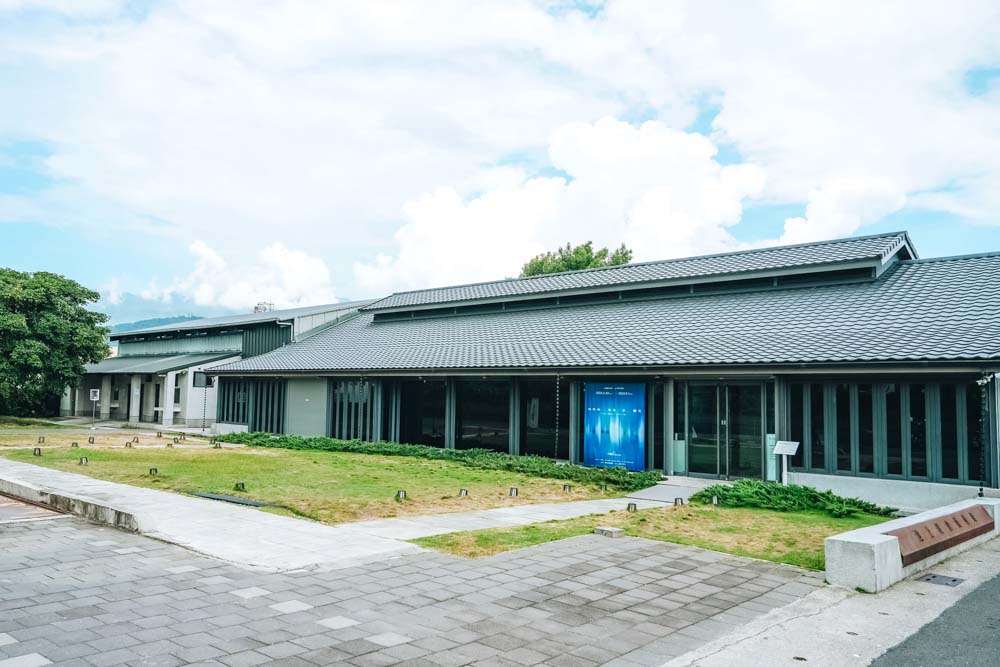
Opened in 2017, the center is worth visiting for the building alone, and the gallery now features artworks by a wide diversity of Taiwanese artists creating in different mediums, ranging from painting to sculpture, with exhibitions changing every six months. As well as showcasing local art, the center has a shop and a small reading room (with an introduction by the late Eslite Bookstore founder Robert C.Y. Wu), and it hosts workshops and other events, including free lectures at 3pm every Saturday – check out its website for the latest.
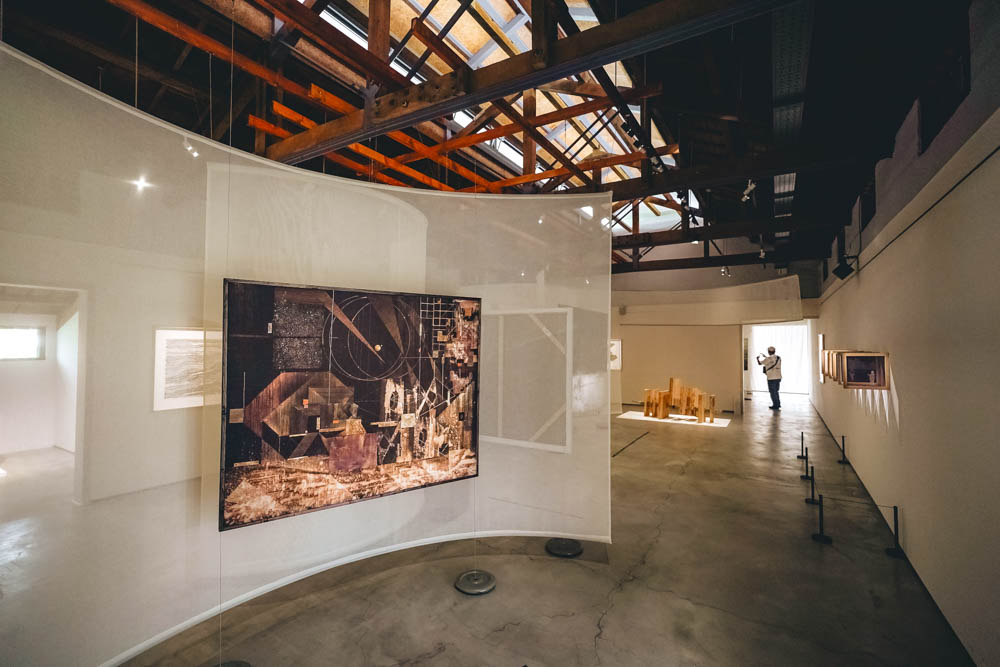
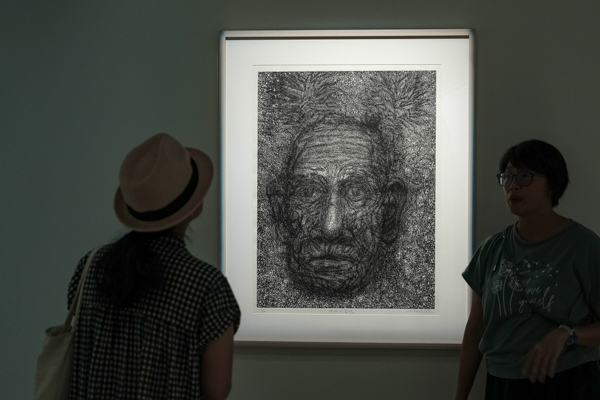
Chishang Art Center | 池上穀倉藝術館
Add: No. 6, Zhongxi 3rd Rd., Chishang Township, Taitung County
(台東縣池上鄉中西三路6號)
Tel: (089) 862-089
Hours: 10:30am-5:30pm (closed on Mon and Tue)
Website: artchishang.lovelytaiwan.org.tw/barn/home
FB: www.facebook.com/artchishang
IG: www.instagram.com/artchishang
Chih-Shang Soybean Space
Another great example of a repurposed traditional agricultural building is the Chih-Shang Soybean Space, which is operated by the Chishang Farmers’ Association. Visitors can enjoy a wide variety of soy products in its popular café, and these are also available as packaged goods in its shop and restaurant. On the way into the main dining hall, you can even see how the (non-GMO soy bean) tofu is made. The extensive menu (in Chinese with pictures) includes everything from set meals (some with meat) to delicious desserts such as douhua (tofu pudding)and dried tofu with sesame and peanut powder, plus, of course, soy milk.You can order take-out from a machine by the entrance, but far better is to pull up a seat and soak in the ambience of this sympathetically renovated 50-year-old barn.
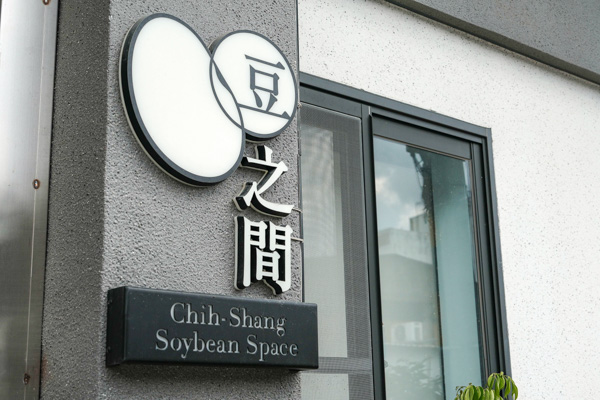
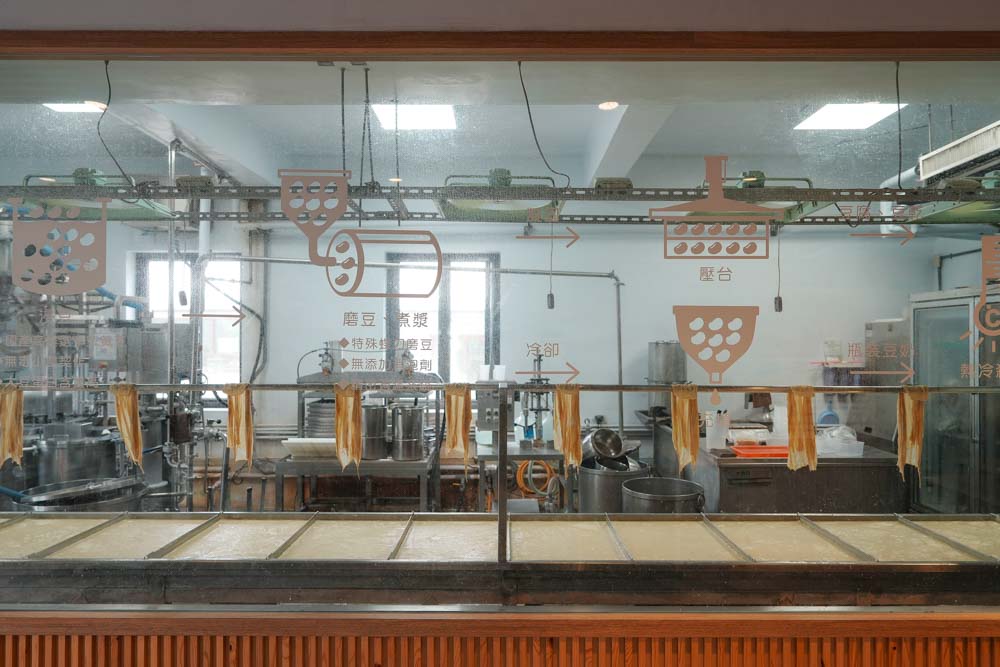
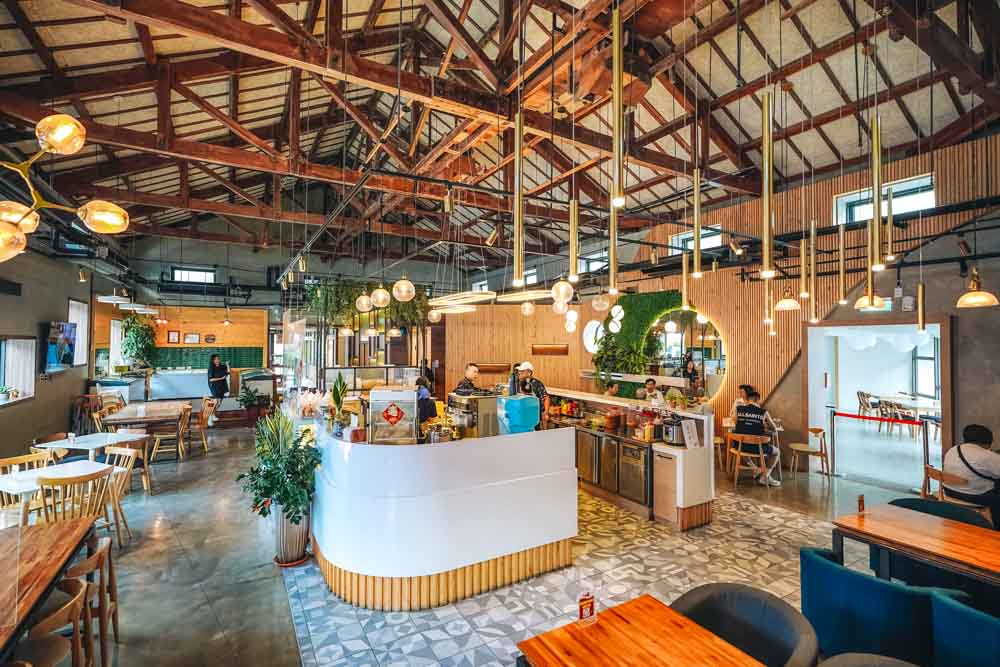
Chih-Shang Soybean Space | 池上豆之間
Add: No. 12, Tongshui Ln., Zhongshan Rd., Chishang Township, Taitung County
(台東縣池上鄉中山路通水巷12號)
Tel: (089) 862-050
Hours: Sun-Thu 8am-6pm, Fri-Sat 8am-8pm
Chih-Shang Supermarket
Next door, Chi-Shang Supermarket, also run by the Chishang Farmers’ Association, stocks a veritable treasure trove of goodies. As well as all of the regular things you’d expect to find in a supermarket (including fruits, veggies, meats, drinks, and an ATM), the store specializes in local produce, notably Chishang rice, mulberry tea, and soybean products, some of which are attractively packaged in gift boxes. The store manages to feel pleasantly old-fashioned yet at the same time functionally modern – you can also buy the supermarket’s products online.
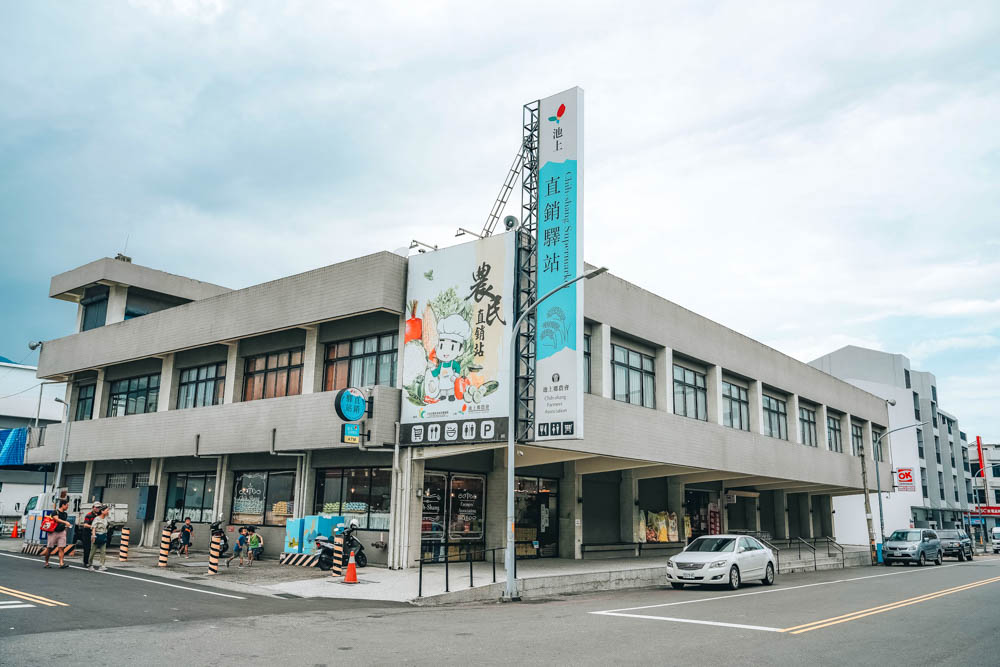
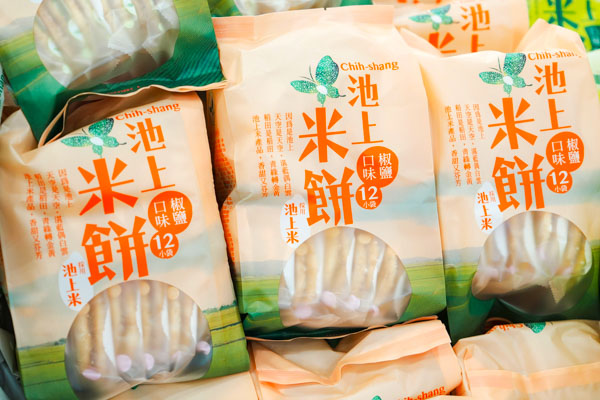
Chih-Shang Supermarket | 池上鄉農會(農民直銷站)
Add: No. 193, Xinsheng Rd., Chishang Township, Taitung County
(台東縣池上鄉新生路193號)
Tel: (089) 863-787
Hours: 7:30am-9pm
Website: www.csfafm.com.tw
Goodfrying
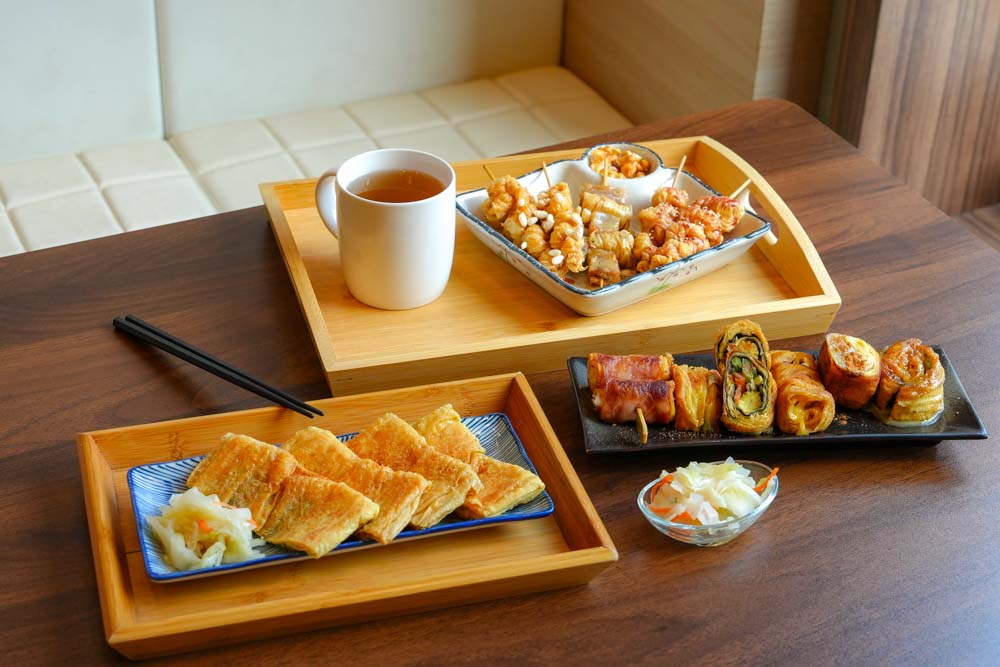
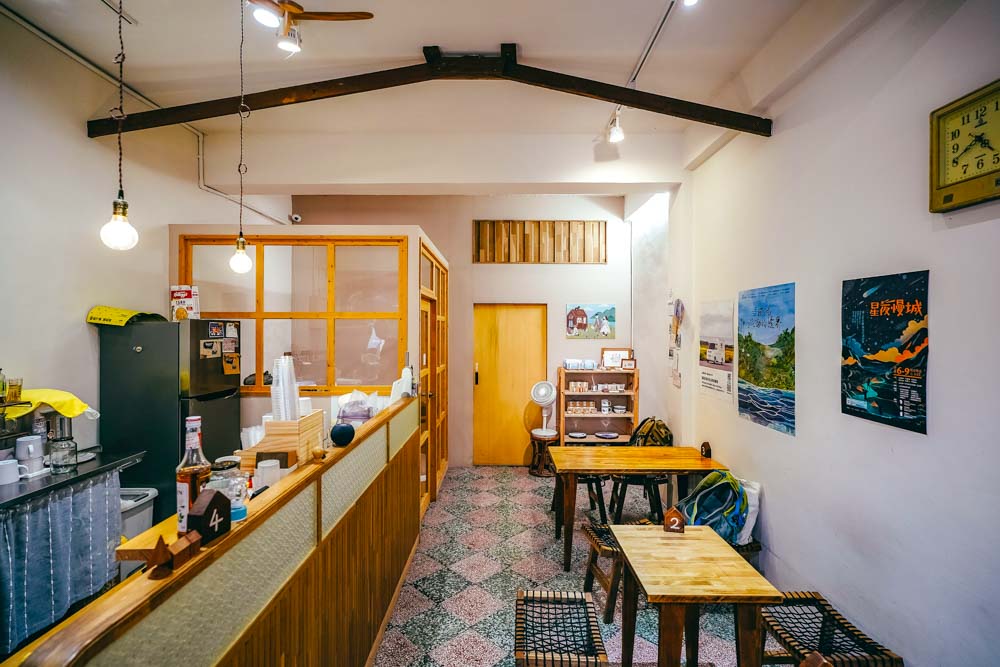
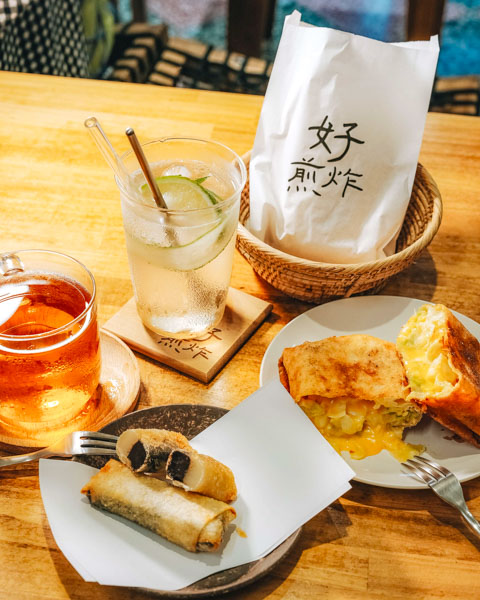
A few minutes’ walk away on Zhongshan Road, Goodfrying is a tiny café with a limited menu, but its salty spring-roll wraps pack big flavor! The basic filling is cabbage and egg, with additional choices of surf & turf or double cheese, which is deep-fried to crispy perfection. The fried rice cake is also worth trying, perhaps accompanied by a hot chocolate or milk tea. You could take your food away with you to eat as you explore, but these snacks are best enjoyed when they’re hot, so if there’s a table free, it’s recommended to dine in. The young owners are very friendly and have aesthetically decked out the café with simple wood furnishings.
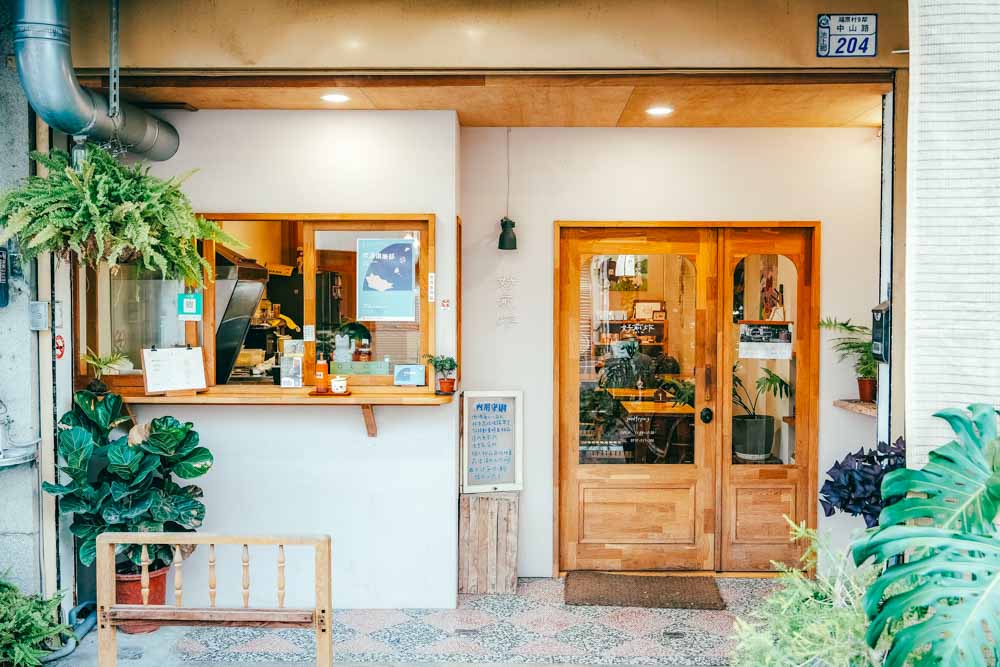
Goodfrying | 好煎炸
Add: No. 204, Zhongshan Rd., Chishang Township, Taitung County
(台東縣池上鄉中山路204號)
Tel: 0975-917-300
Hours: Mon-Thu 2pm-5:30pm
Dapo Pond
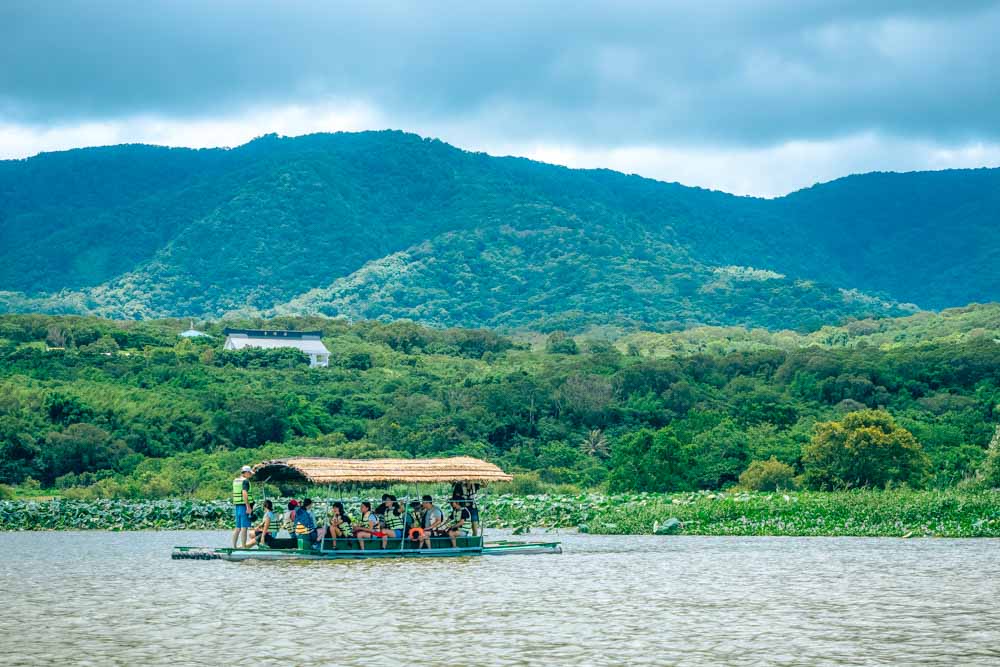
On the eastern edge of town, Dapo Pond is the body of water that inspired its “On the Pond” name. An expansive wetland area, it once provided the fish and shrimp used in the town’s famous rice rolls. With a backdrop of mountains on both sides, Dapo Pond offers stunning East Rift Valley scenery, which can be experienced on foot, by bike, or from the water. There’s parking at the entrance to the pond-surrounding park area, and you can rent kayaks, stand-up paddleboards, and even electric boats. There are also toilets, a YouBike stand, and a few stalls selling coffee, snacks, and ice cream.
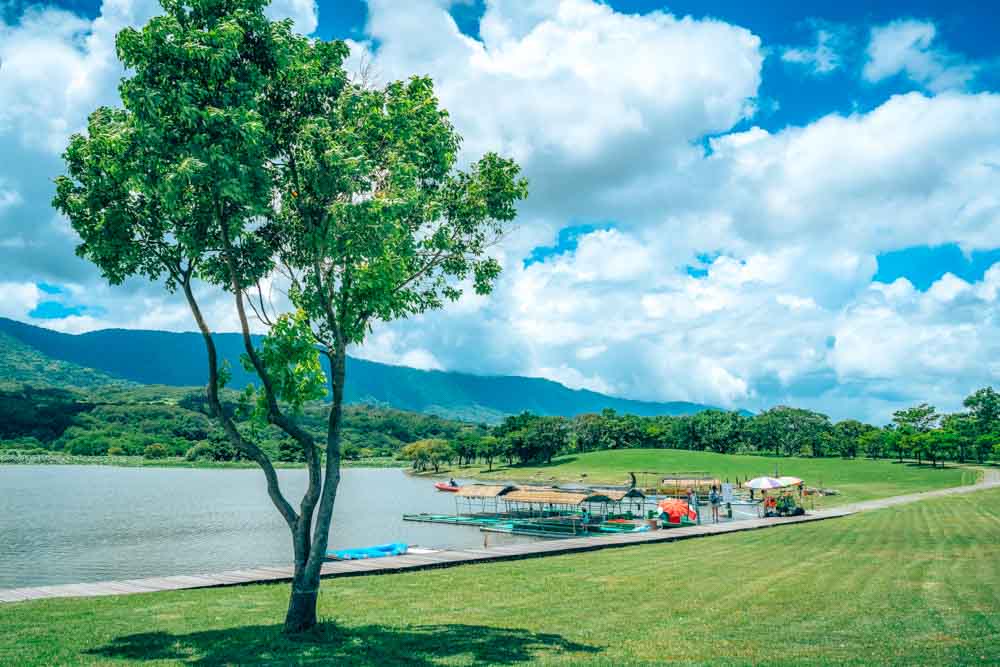
The pond is circumnavigated by a 3km trail, comprised of an inner and an outer loop, the latter of which is smoother and wider, making it suitable for cyclists and electric carts, leaving the inner loop free for walkers. Sculptures dotted around the pond complement the scenery, and there’s plenty of wildlife to look out for – in summer, the water is carpeted with vibrant pink lotus flowers, and you’ll likely spot a wide variety of birdlife whatever the time of year.
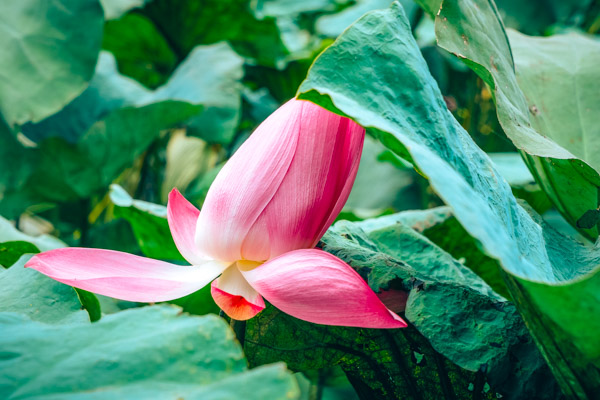
Around the Town Bicycle Path
The outer trail around Dapo Pond feeds into the Around the Town Bicycle Path, at the top of the must-do list for any visit to Chishang. Like Taitung City’s Mountain-Ocean Bikeway (see page 22), the cycle path here is more of a suggested route to Chishang’s most attractive spots, with some vehicle-free sections, than a complete circuit. Therefore, it’s recommended to take in some of the highlights, but also to leave some time for exploration. You can bring your own bike, use a YouBike, or rent from one of the hire shops clustered near the train station and the entrance to Brown Avenue, to be introduced shortly. You can also rent electric carts, which make for an easy and fun way to experience the scenery.
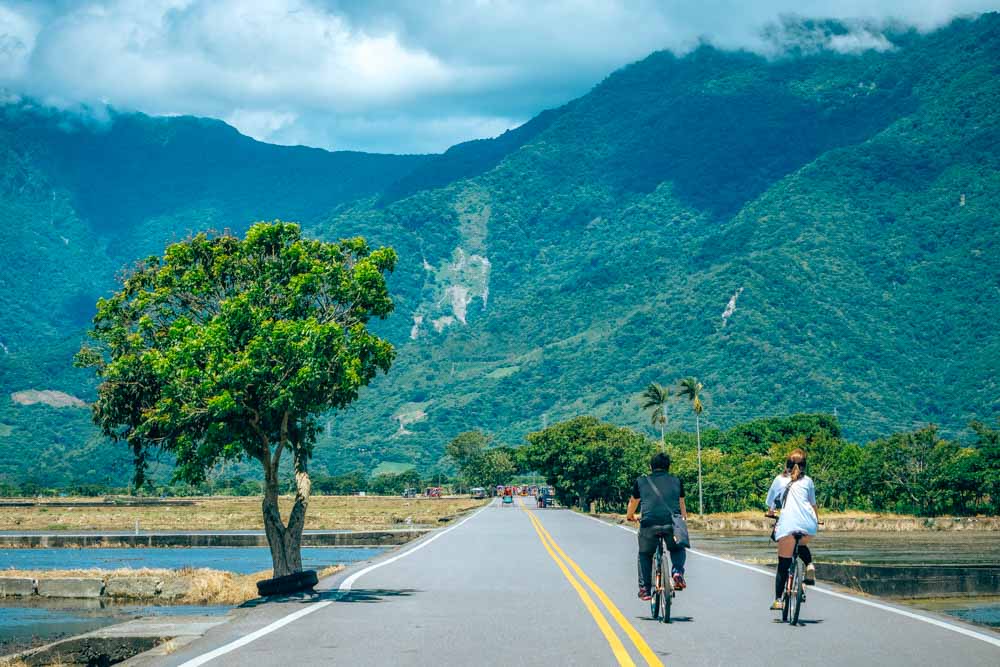
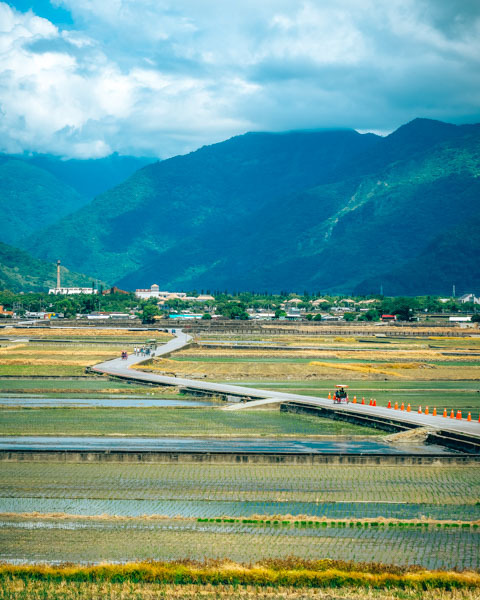
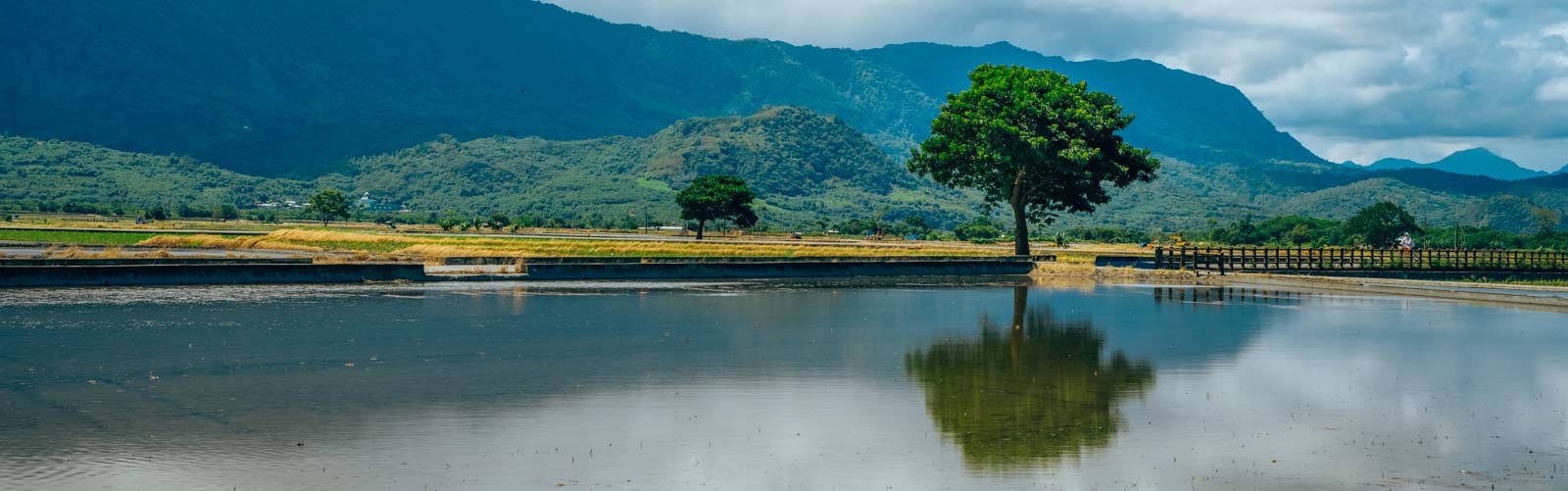
However you choose to get around, traveling quiet, narrow farm roads through the endless sea of rice paddies presents an ever-changing pastiche of rural life here. The scenery looks different in every season, from the spellbinding mirrored reflections of flooded paddies to the intense green of a young crop, and then the golden-yellow of heavy-headed rice before harvest. The only time it looks somewhat less appealing is in between crops, when the fields are barren, but you might have the whole place to yourself!
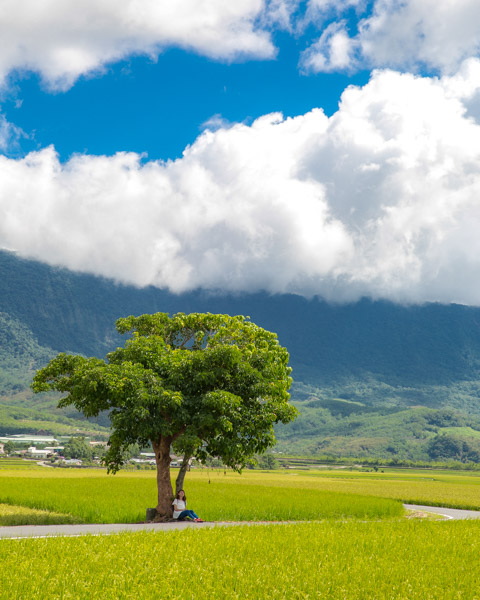
Chishang’s most famous spot, Brown Avenue, is an idyllic lane through the rice paddies featured in a Mr. Brown coffee advert and a subsequent EVA Air ad starring Taiwanese-born Japanese heartthrob Takeshi Kaneshiro. In the latter, Kaneshiro pauses from a bike ride to drink tea under a solitary tree (now named after him) in a scene that really put Brown Avenue on the map, bolstered by a 2017 visit by famous singer Jolin Tsai. Now popular with visitors almost every day of the year, the eastern end of the avenue is denoted by a giant picture frame where you can pose with the iconic road in the background. Whilst undoubtedly beautiful, riding along the avenue, you’ll need to be careful not to run into any selfie-taking tourists, and for those seeking solitude, there are plenty of other picture-perfect lanes through the paddies that you can enjoy without the crowds. Paradise Road runs southeast off Brown Avenue and is equally as magical, but slightly less popular. Other attractions to look out for include the Huge Waterwheel, the Grand View Pavilion, and the Jinyuan Laundry Pavilion. But also make sure you make time to just meander and see where the road takes you!