

How to Enjoy Fugang Fishing Harbor
TEXT | AMI BARNES
PHOTOS | RAY CHANG
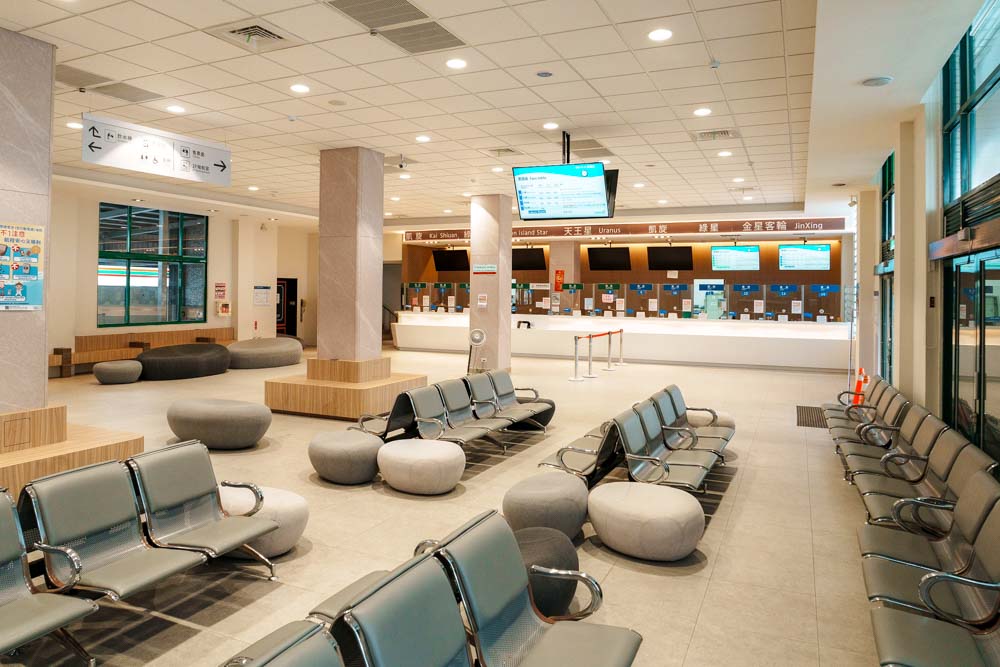
Most travelers transiting through Fugang on their way to Green Island and Lanyu (Orchid Island) experience the small Fugang Fishing Harbor, located on the outskirts of Taitung City, as little more than the point of embarkation. Still, with a brand-new passenger terminal opening this summer, some scenic seaside to stroll along, and restaurants serving up fresh catch of the day every day, it has more than enough pleasant diversions to fill a couple of hours.
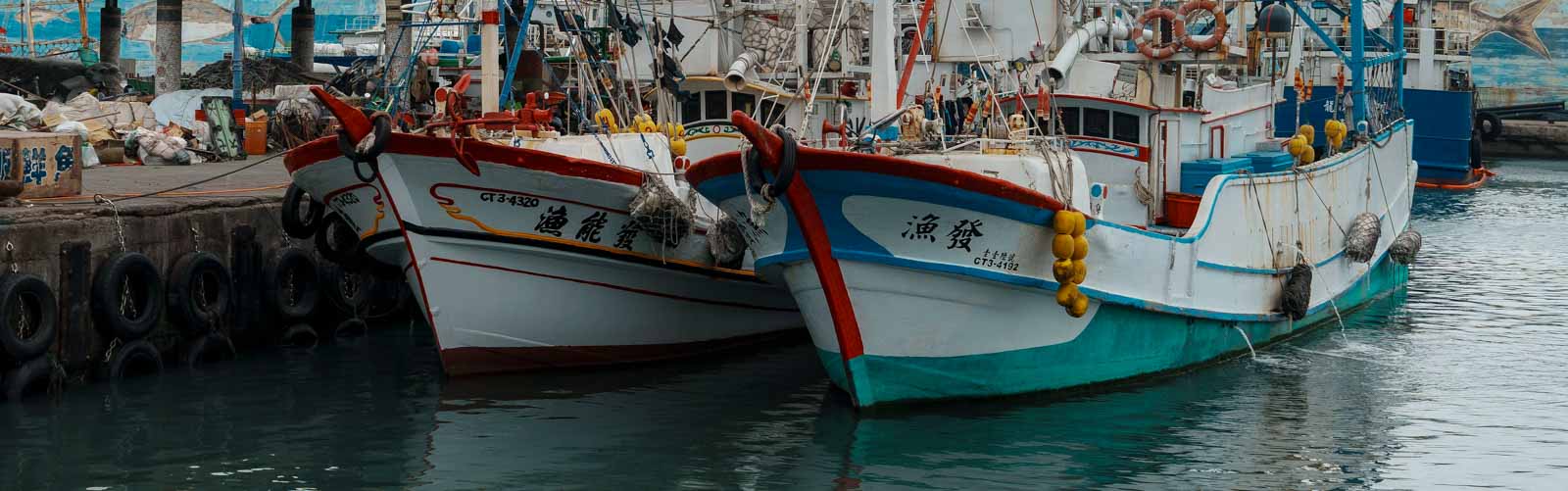
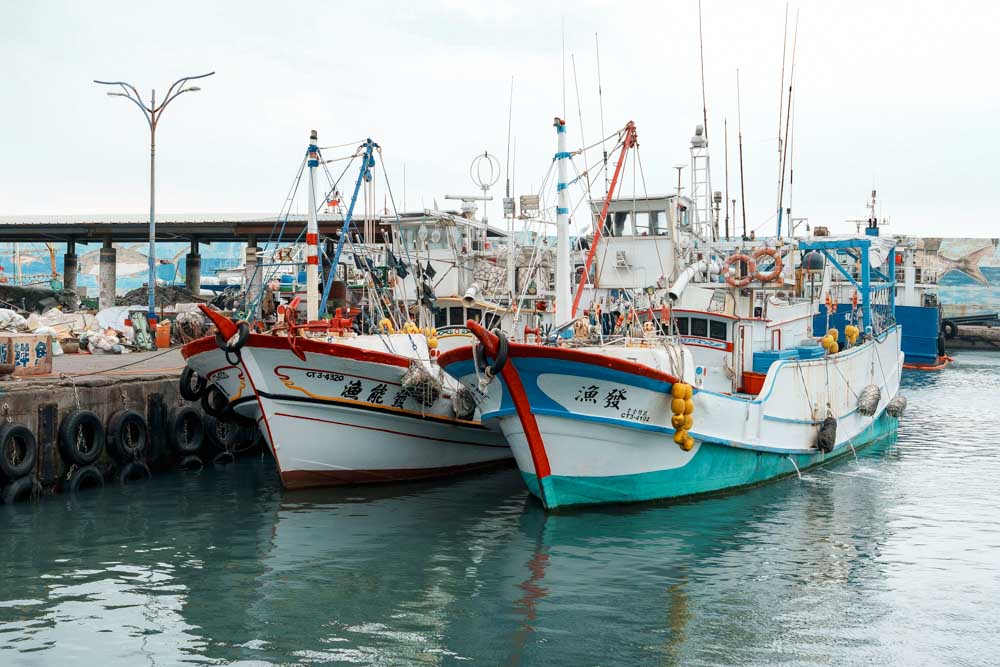
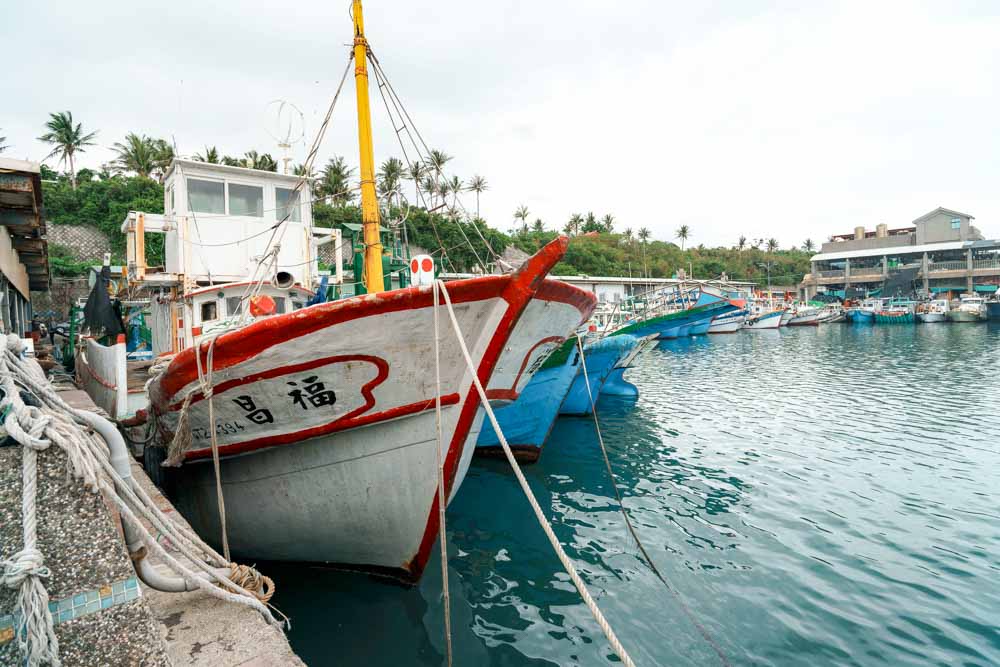
For travelers arriving at Taitung Railway Station, a 15~20-minute taxi ride (or a 30-minute ride on the #201 bus) will deposit you in front of the main ferry terminal at Fugang Fishing Harbor. When there’s a sailing about to depart, the hall is crowded with tourists popping seasickness pills while waiting to board, but outside of these brief windows it’s a sleepy place where rows of small-to-middling fishing vessels bob in the clear water, sheltered from the sea by a high wall decorated with murals depicting the region’s marine bounty.
Content
Fugang Haishen Temple
Assuming you don’t have luggage to tow, one spot worth a quick visit is nearby Fugang Haishen (Sea Goddess) Temple. Hidden a five-minute walk uphill from the harbor at the seaward edge of Fugang Village, the temple itself is simple, but its story illuminates an interesting sidebar in Taiwan’s history.
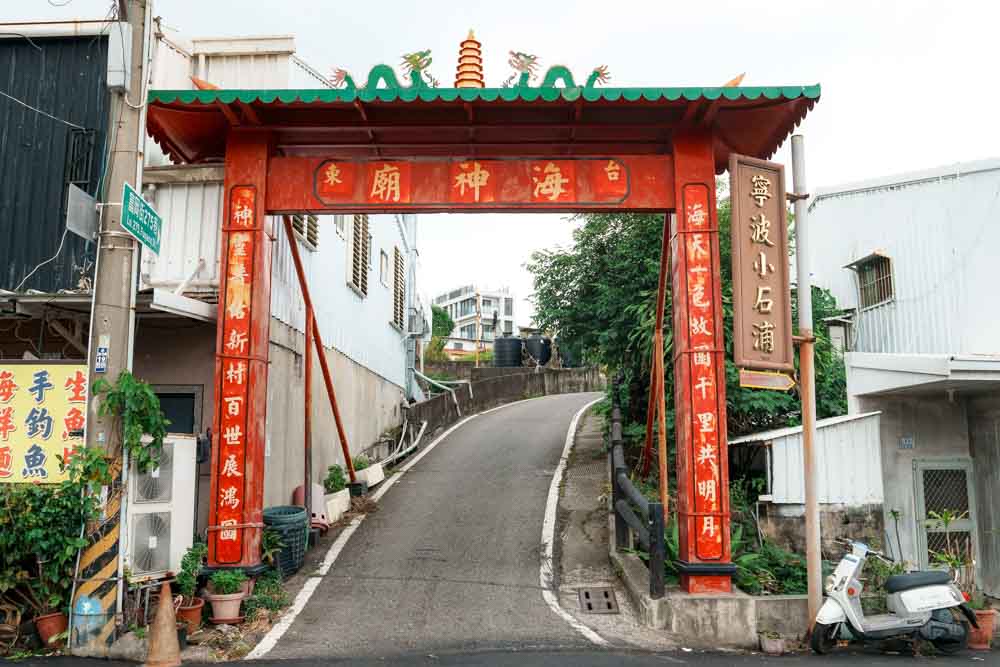
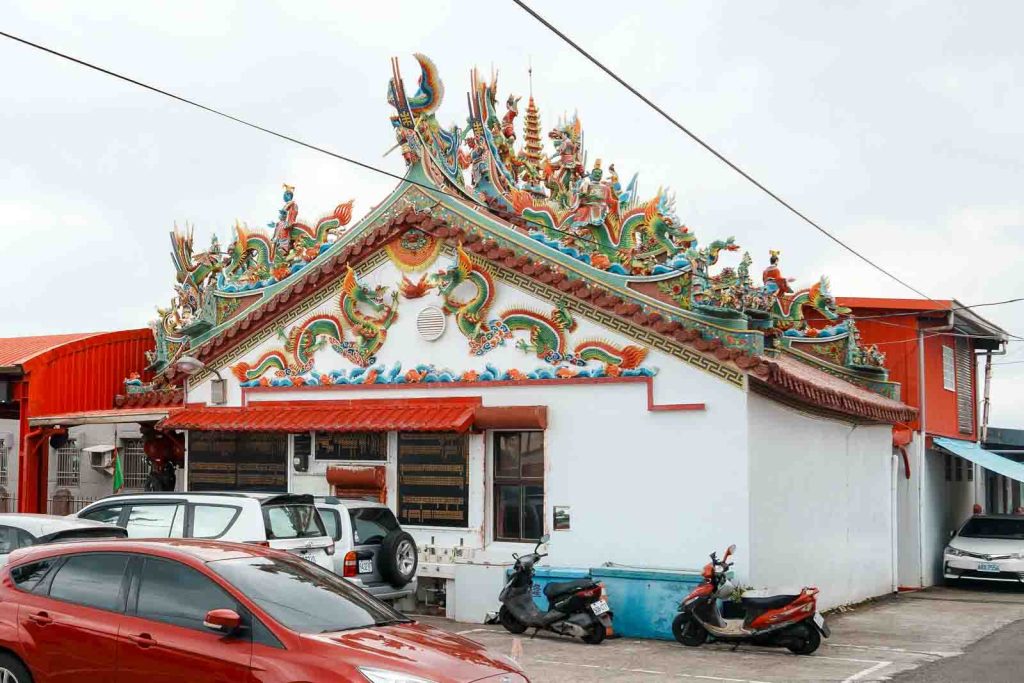
The village, also known as Dachen New Village, sprang into existence wholesale in the 1950s after escalating tensions across the Taiwan Strait prompted the newly arrived ROC government to evacuate 17,000-plus residents from the Dachen Islands off the coast of China’s Zhejiang Province. A small portion of those transplanted islanders were resettled here, and since most were skilled fisherfolk, they continued – after a bumpy period of adapting to differing regional fishing practices – doing what they did best.

Like many communities whose lives and livelihoods are subject to the whims of the waves, the islanders were deeply superstitious, and when they relocated, they made sure to bring their spiritual guardian with them. Ruyi Niangniang – protector of seafarers and bringer of bountiful catches, also known simply as the Goddess of the Sea – is not to be confused with Taiwan’s better-known sea goddess, Mazu, though the pair’s origin stories are remarkably similar. It seems the goddess approved of her new home because when an opportunity arose for her to make a return pilgrimage to the Dachen Islands, she is said to have made her objections known, requesting instead that a second idol be carved to replace her on the voyage.
Fugang Sea Goddess Temple is the only temple in Taiwan dedicated to Ruyi Niangniang, and if you find yourself passing through Fugang en route to an island, it can’t hurt to pop in and proffer a prayer for smooth seas.
Fugang Fishing Harbor
The ferries at Fugang Fishing Harbor, as the name suggests, are of secondary importance. The serious work takes place on the boats and in the harborside market, and anyone keen to see this side of the port should visit in the morning. Unlike other such spectacles, which are usually done and dusted before the average local has polished off their morning egg pancake, Fugang’s market operates on a relatively civilized schedule, swinging into action around 8 or 9am.
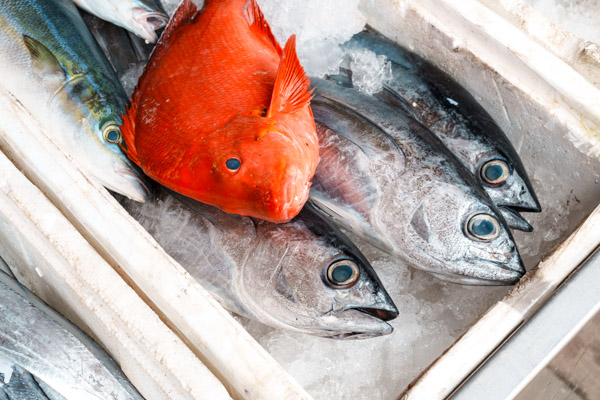
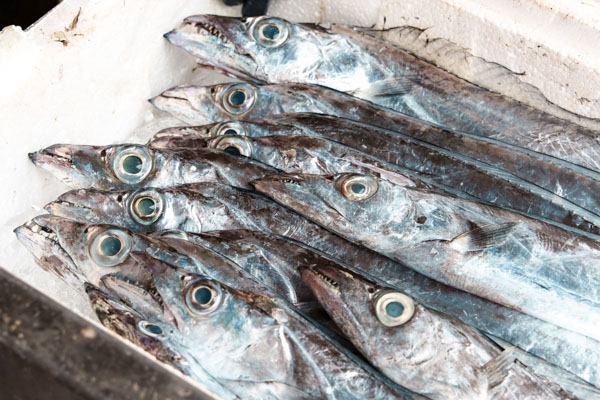
Rows of crated fish are laid out, and prospective buyers are given time to browse and make their pick before a couple of sharp blasts on a whistle mark the commencement of bidding. Cutlassfish, tuskfish, sailfish, and cornetfish; groupers and snappers; rosy seabass, purplish amberjack, yellowfin tuna – the vividity of the names is matched only by the fresh brightness of the fish themselves. Purchasers must be licensed to participate, so most of those trailing the auctioneer and nodding assent to his barked volley of prices are representatives of local restaurants, but this being Taiwan, there is a workaround: professional auction snipers cleverly disguised in the form of your regular auntie next door can be enlisted by private buyers. After you spot something you fancy, just agree on the price you’re willing to pay and let her handle it (remember to factor the purchaser’s 10% service fee into your calculations).
Lianfa Fish Shop
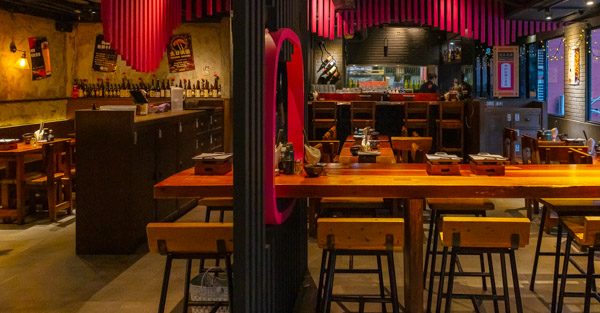
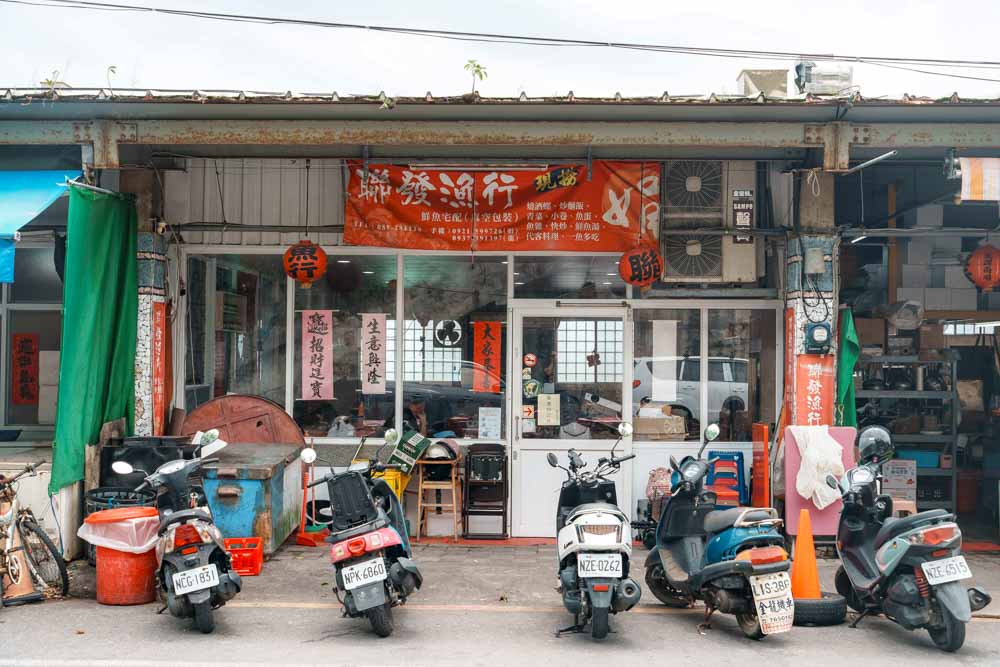
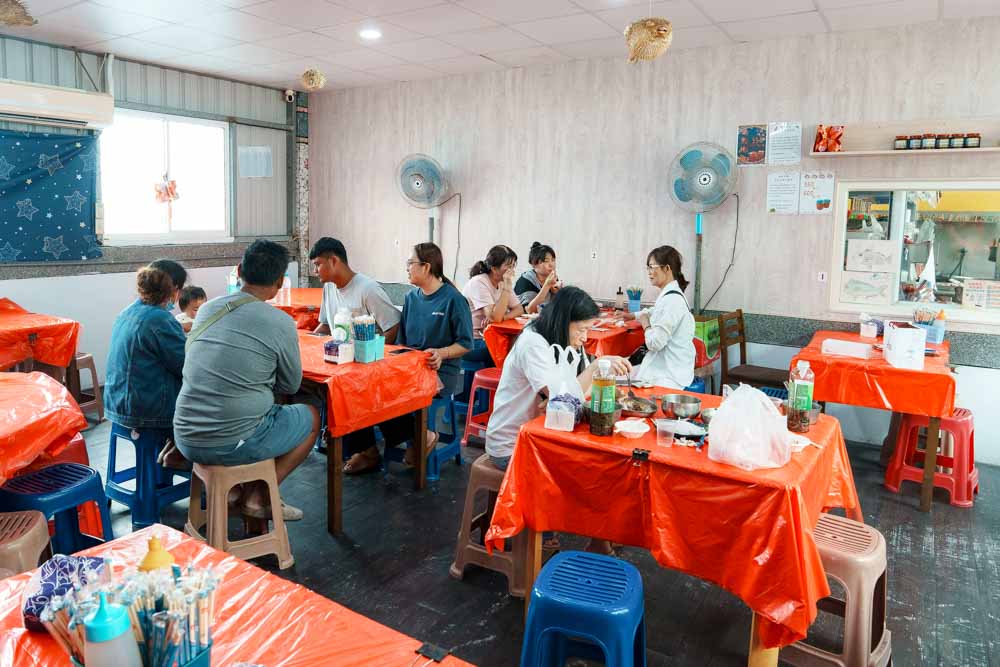
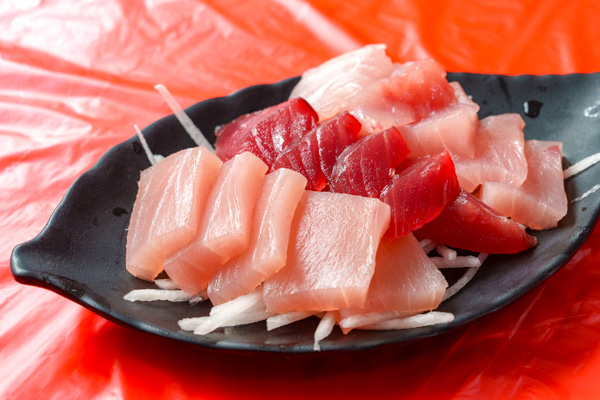
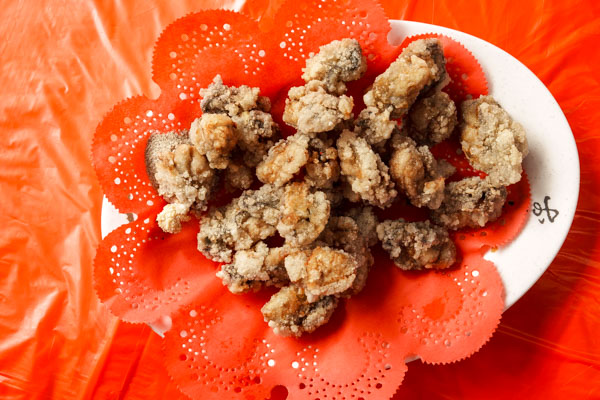
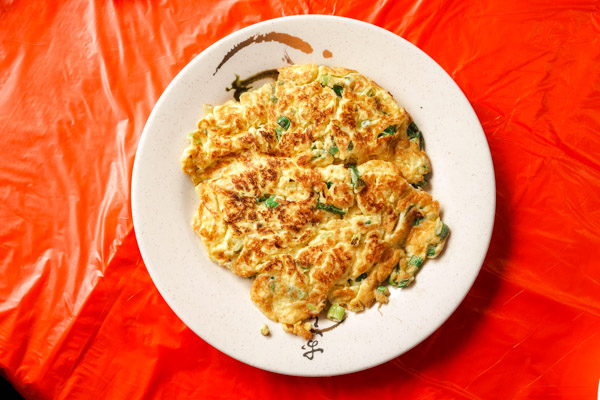
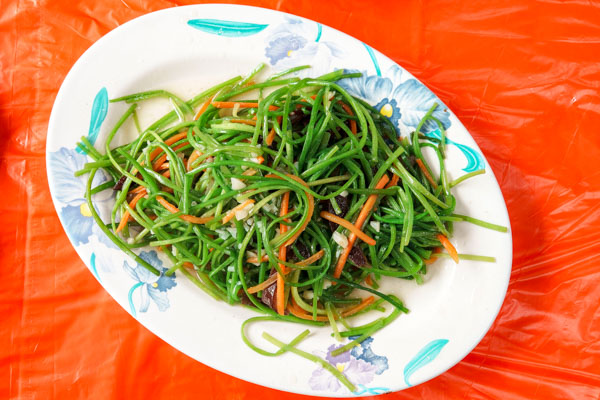
Of course, no fishing harbor worth its salt would be without seafood restaurants, and Fugang is no exception. A row of eateries lines the parallel road adjacent, some opening as early as 8am, meaning successful tourist bidders can take their haul next door to be turned into something delicious – from sea to stomach in a matter of hours. Not a morning person? No problem. The stores still have plenty of seafood specialties to choose from. Our small Travel in Taiwan team, while waiting for our ferry on a recent trip to Lanyu, dined at Lianfa Fish Shop, where the top pick is an NT$200 sushi platter of locally caught fish, which – season-dependent – may include marlin, tuna, oilfish, swordfish, mahi-mahi, or salmon. Other dishes worth trying include stir-fried cuttlefish, seaweed salad, deep-fried oysters, flying fish roe sausages, and seaweed omelet.
Fugang Ecopark
If you’re more in a snacking and strolling mood, grab a bag of horn snails sautéed with garlic and chili and enjoy sucking the meat from the shells as you wander up the road to Fugang Geopark (aka Little Yehliu).
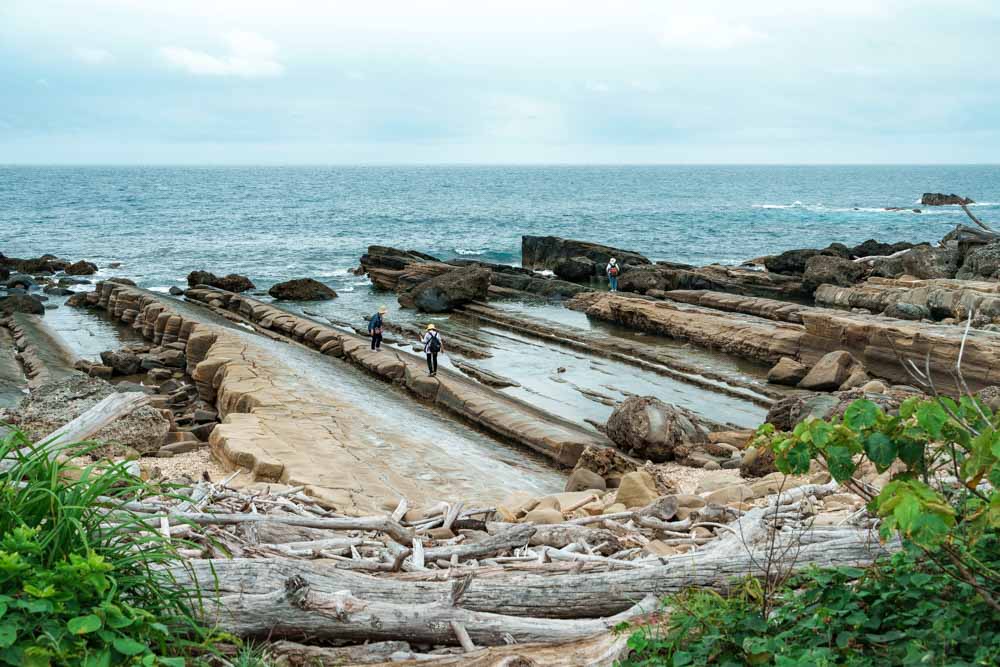
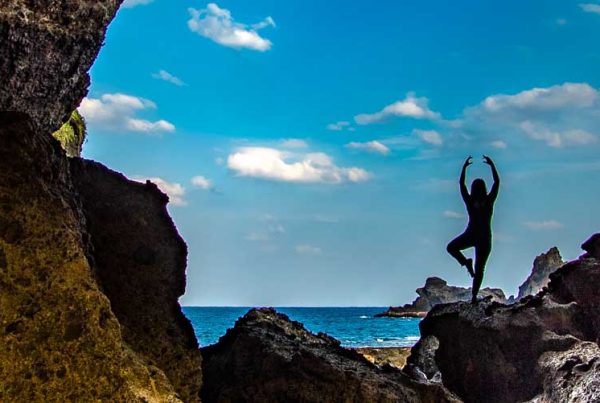
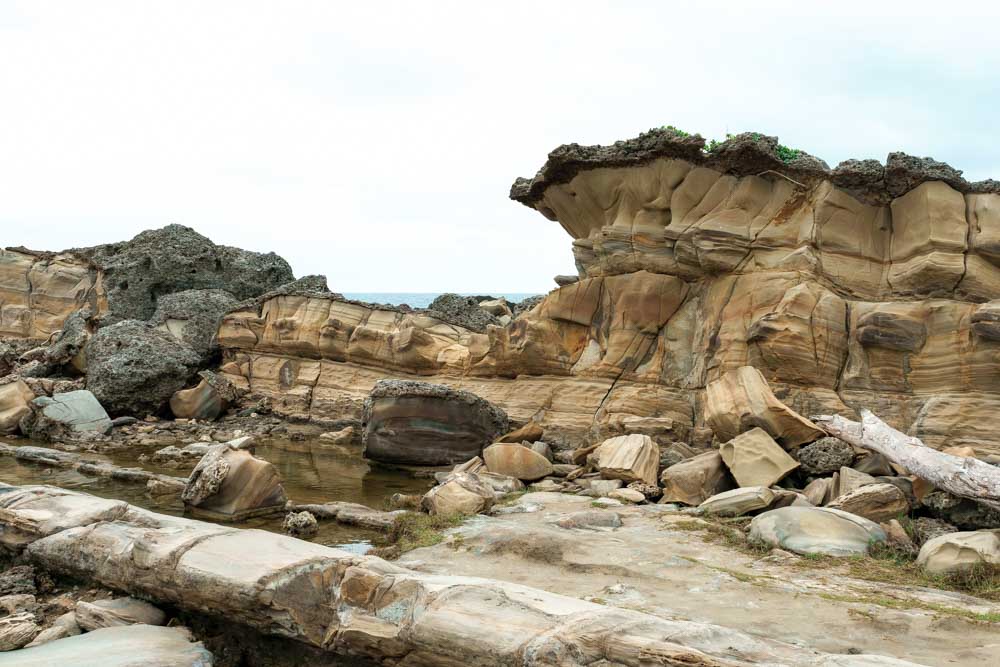
The geopark’s winding paths fan out towards the shoreline, where layers of exposed bedrock stretch out in a series of cuestas (ridge-and-furrow formations) sitting at a right angle to the water. The steep sides are streaked with compact strata of sandstone and mudstone – layers of buff, rusty orange, tan streaked through with ribbons of gray – while the gentle backslopes have been carved into a pleasing mosaic by wind and water erosion (dubbed tofu rocks by the perpetually food-brained Taiwan locals).
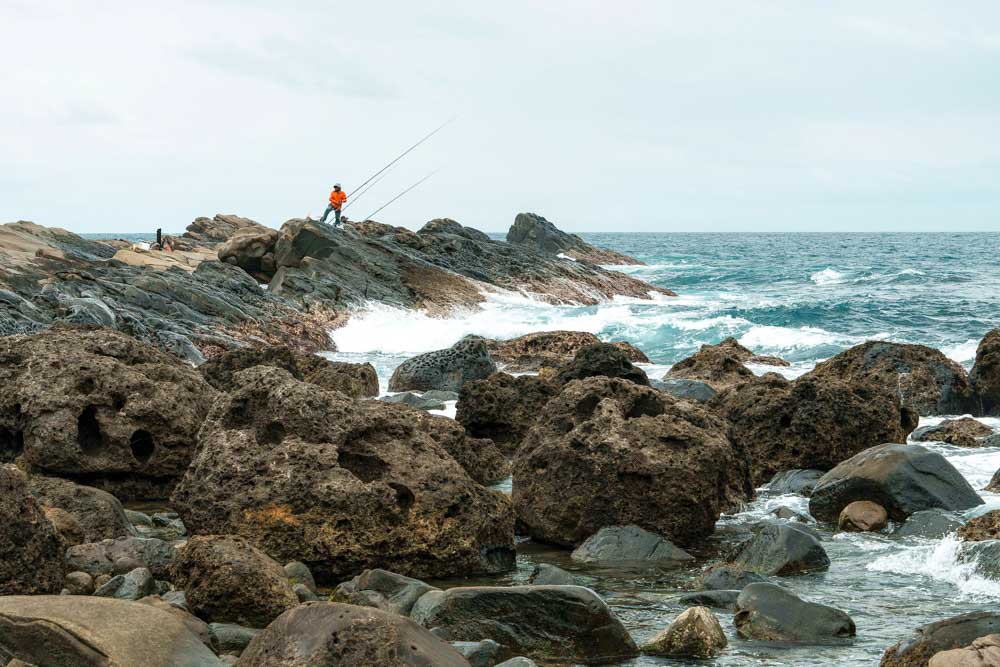
Long skinny brackish pools fill the dips between each ridge, and although, at first glance, they seem devoid of life, patient watchers will notice perfectly camouflaged gobies and herds of tiny hermit crabs – some as small as a grain of rice – grazing on the algae. In places, hard coral capstones sit atop the bedrock, leading to even more improbably eroded forms, the most impressive among which is a twin-knobbed protrusion resembling a big-eyed bullfrog.
Further back from the water, there’s a shopping area where snacks and trinkets are sold, as well as a visitor center where you can brush up on your geological terminology. The park is free to enter, and presents a pleasant way to kill time while waiting for a ferry, and if you decide you like the area, well, you don’t need to leave – the adjoining campsite has pitches overlooking the ocean.
If you’re the kind of person who prefers adding a little more cultural and historical context to your visits, Fugang Gang Gang Hao (reachable via Facebook and email) is a community enterprise that runs guided tours of the port, market, and surrounding area.