

Exploring the City’s Noodle Heritage
TEXT I JENNA LYNN CODY
PHOTOS | VISION
For foodies, Taipei can be called a “city of noodles,” where heritage, industry, and artisanal craft meet to create a panoply of noodle choices. From boutique beef noodles in Nangang’s old industrial district to home-style noodle bars downtown serving everything from nostalgic qiezai (shaken) noodles to mung bean or rice vermicelli, Taipei offers endless noodle-slurping variety.
Beef Noodles
Content
Neverland Noodle Bar
Around the corner from Nangang Station, a massive compound of mid-century factory buildings looms behind a security gate and a fringe of palm trees. This is the Chiao Thai Hsing Enterprise Co., a flour mill founded in 1953 by entrepreneur Lin Kuo-chang. Chiao Thai Hsing is known for producing high-quality Chiahe Flour.

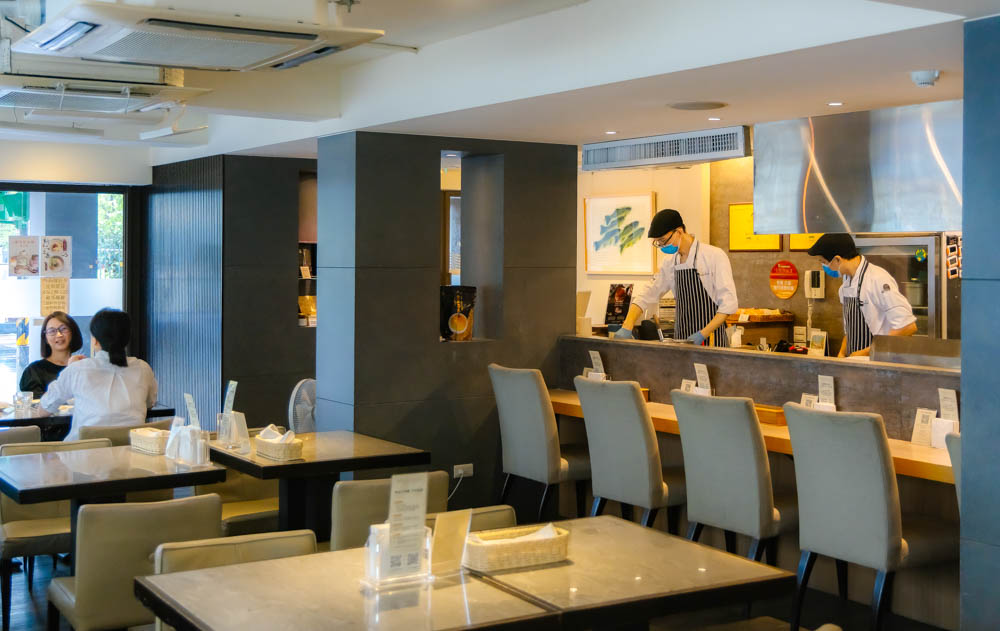
In 2015, as part of a modernizing rebrand, Chiao Thai Hsing opened Neverland Noodle Bar next door to its Nangang factory. Neverland’s interior is more upscale than a typical noodle restaurant in Taipei, with a chic, modern color scheme of gray and cream, marble-topped dining tables, and generously sized, comfortable cream-hue velvet chairs.
Neverland uses various blends of the company’s Chiahe Flour, at various levels of gluten content, to make the four types of noodles on offer: angel hair, thin, thick, or home-style wide noodles. The noodles really make the restaurant here: each type has excellent chew and mouthfeel. Some patrons match the noodle to the soup base. Generally, lighter and clearer soup bases, such as clear stewed soup, are thought to go well with thinner noodles such as angel hair, whereas heartier ones like numbing-spicy tend to pair best with the wider home-style noodles, as they catch more of the chili oil.
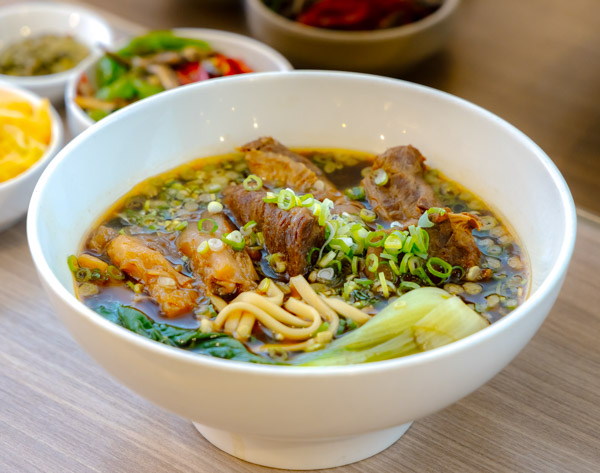
Beef noodles are widely considered to be Neverland’s specialty, with a variety of cuts on offer from belly and shank to brisket or tendon, each served in a suitable broth. The best beef in the house is the Premium Angus short ribs, served on the bone, with noodle soup on the side.
To confirm – beef noodles are not the only famous noodles in Taiwan! Fried soybean-paste noodles, danzai noodles from the southern city of Tainan, and cold noodles with sesame paste are also popular.
Neverland Noodle Bar
Tel: (02) 2653-3606
Add: No. 265, Sec. 1, Nangang Rd., Nangang District, Taipei City
(台北市南港區南港路一段265號)
Hours: Mon-Fri 11am-3pm, 5:30pm-9pm; Sat-Sun 11am-9pm
Website: www.noodlebar.com.tw
IG: www.instagram.com/neverland.noodlebar
Dry Noodles
Noodles with Meat Sauce
Wang Li’s Zhajiang Noodles
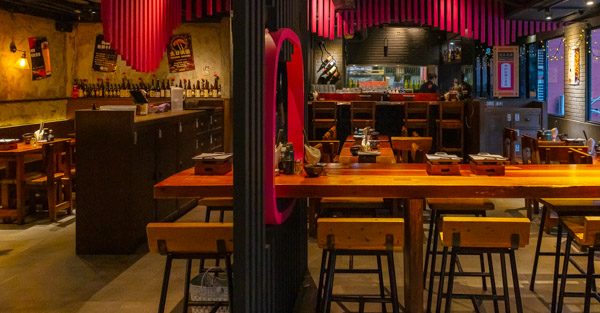
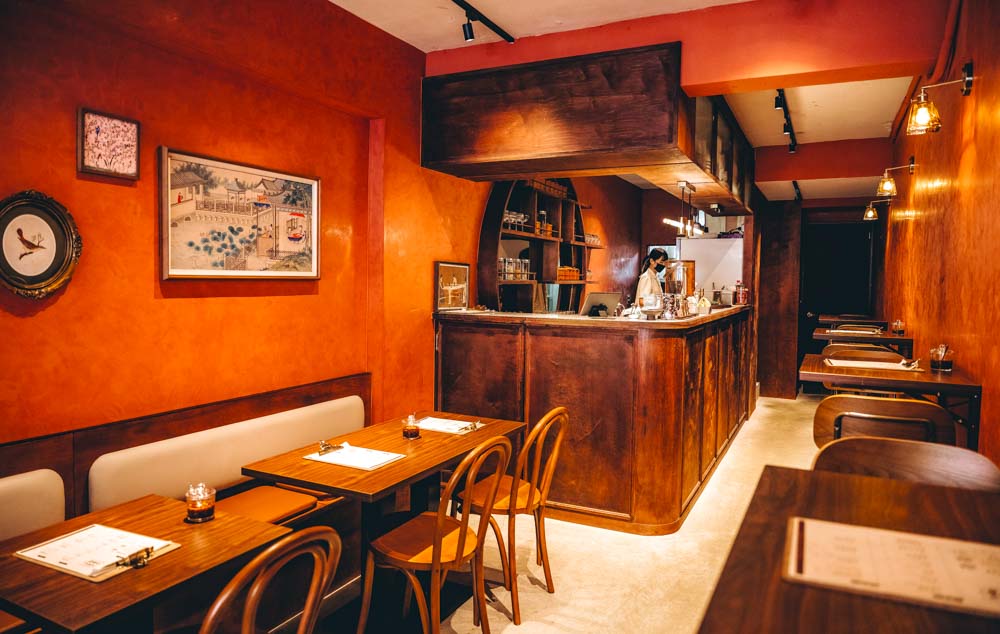
Walking into Wang Li’s feels a bit like entering a high-end bar or bistro: although small, as you approach, the wood-paneled and picture-windowed exterior is warm and welcoming.
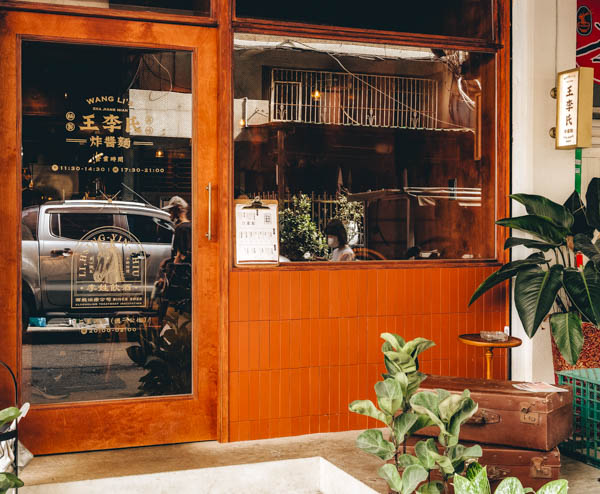
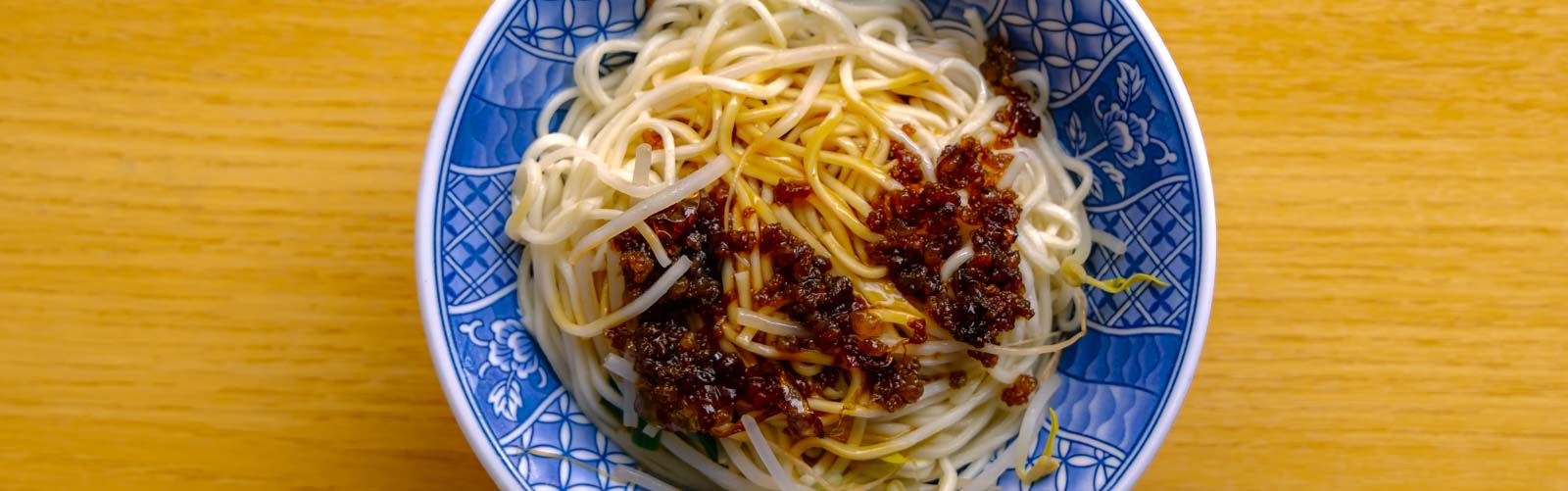
Wang Li’s specializes in zhajiang noodles, which originated in northern China’s Shandong Province and have long been popular in nearby Beijing. The dish consists of thick wheat noodles topped with a sauce of fried, fermented soybean paste with chopped scallion and diced pork. Scallion oil noodles and side dishes are also available, as is a variety of drinks, including cocktails. The zhajiang sauce, however, is the highlight. It’s silky and intense, the diced pork and soybean bursting with flavor.
Wang Li’s classic noodles come in original, garlic, and spicy Sichuan flavors, and its special noodle selections come with a truffle sauce, a three-in-one combo, or a cumin-flavored sauce with lamb shoulder rack. For most noodles, customers can choose a meat topping of broiled beef belly, grilled pork belly, or chicken and scallion. The grilled pork belly manages to be both fatty and crisp, the strong taste melding perfectly with the zhajiang sauce.
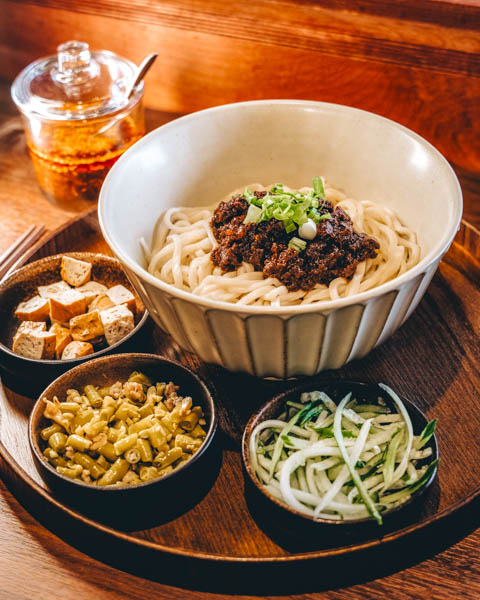
While some of Taipei’s noodle restaurants, like Wang Li’s, focus on one or two kinds of noodles, others offer a variety, from wheat-based to yellow “oil noodles,” often served cold, to rice noodles, in a salivating menagerie of sizes and sauces.
Wang Li’s Zhajiang Noodles | 王李氏炸醬麵
Tel: (02) 2732-9627
Add: No. 81, Tong’an St., Da’an Dist., Taipei City
(台北市大安區通安街81號)
Hours: Mon-Sat12pm-2:30pm, 5:30pm-8:45pm
Danzai Noodles
Xingtian Temple Nameless Noodle Shop
Finding this tiny, family-run noodle shop is as difficult as the name suggests. Tucked deep in an alley south of MRT Xingtian Temple Station, there’s no sign, and the entrance is easy to miss. The name we’ve used, Nameless Noodle Shop, is what appears in Chinese on Google Maps, and comes from that lack of a sign: it simply doesn’t have a name. The restaurant itself is of the typical Taiwanese old style, with a stainless-steel-equipment cooking area and a small amount of seating at wooden tables with stools, well-worn terrazzo flooring, and a family shrine at the back. The menu, featuring noodles, side dishes, wontons, and braised pork rice, is posted on the wall.
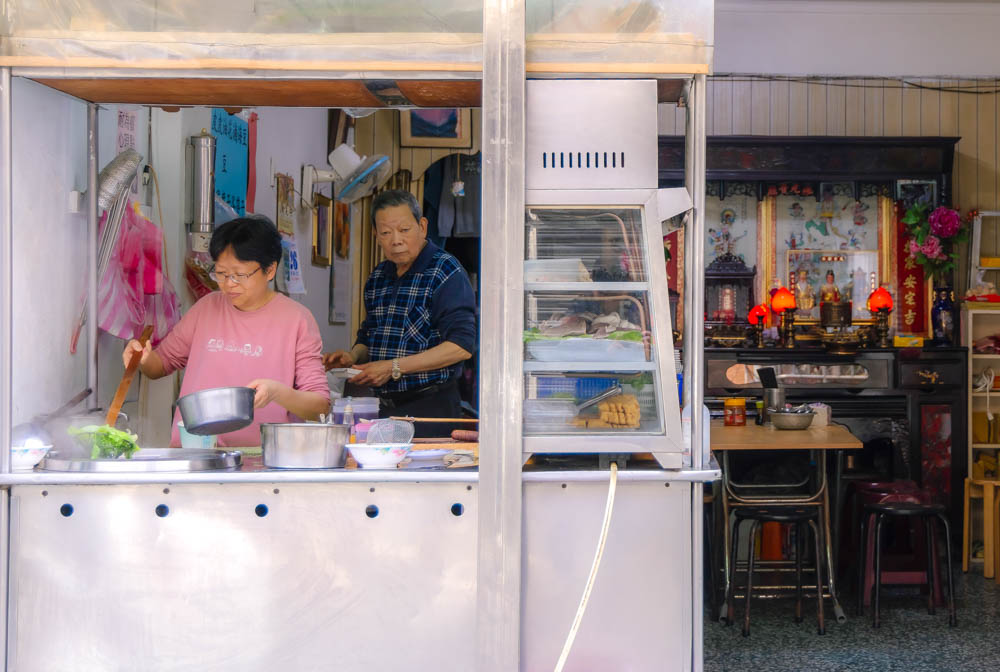
The shop’s noodles and other dishes are served up in traditional blue and white bowls, and offer tastes that remind one of grandma’s home cooking: nothing fancy, but absolutely mouthwatering. The pork liver noodles are especially popular, and a variety of other noodles, from thick rice-based kue-á-tiâu (Taiwanese pronunciation) to mung-bean glass vermicelli, are on offer.
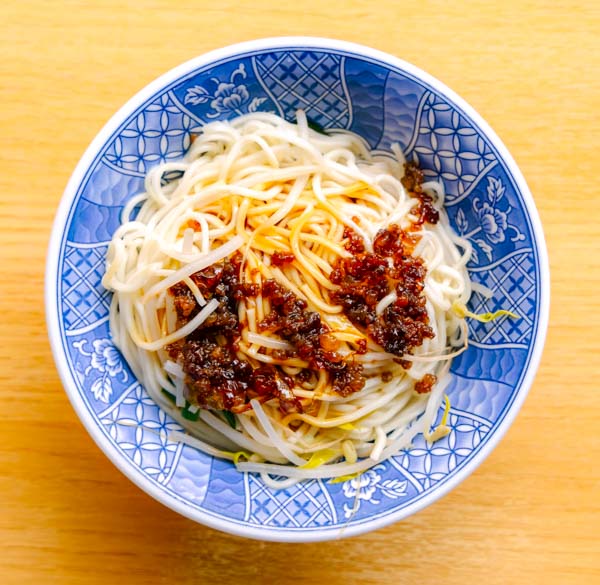
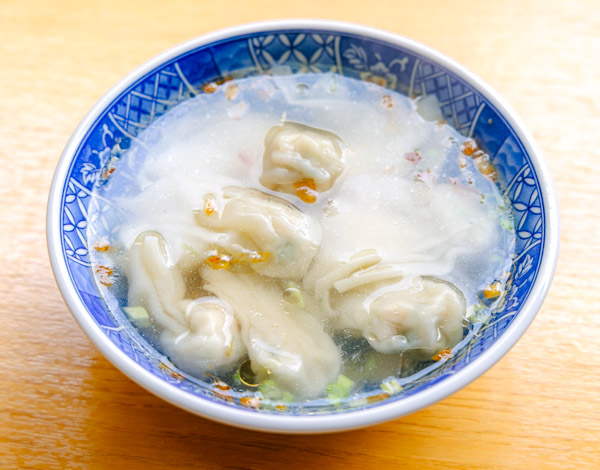
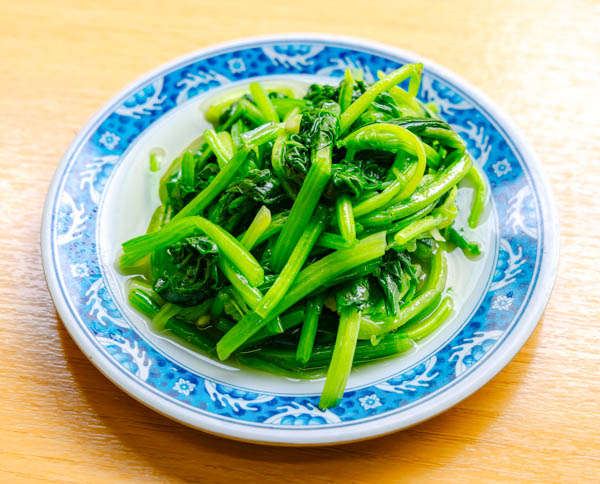
Some noodle shops offer a variety of noodle types, often with a sauce developed in-house that works in many dishes. Others, however, gain a loyal following by mastering a single ingredient or dish, serving it paired only with a few carefully chosen side dishes.
Xingtian Temple Nameless Noodle Shop | 行天宮無名麵店
Add: No. 42, Ln. 204, Songjiang Rd., Zhongshan Dist., Taipei City
(台北市中山區松江路204巷42號)
Hours: Mon-Fri 10 am-4 pm
Cold Noodles
Qiao Xuan Cold Noodles
Cold noodles are a staple snack in Taipei, especially in summertime. They can be enjoyed year-round at Qiao Xuan Cold Noodles, a long-standing noodle shop that has changed ownership several times but maintains a high standard. The eatery serves some of the best cold sesame-sauce noodles in Taipei. Located in a busy neighborhood just behind Taipei Municipal Stadium, athletes and office workers alike have been coming to this beloved local establishment for as long as some of them can remember.
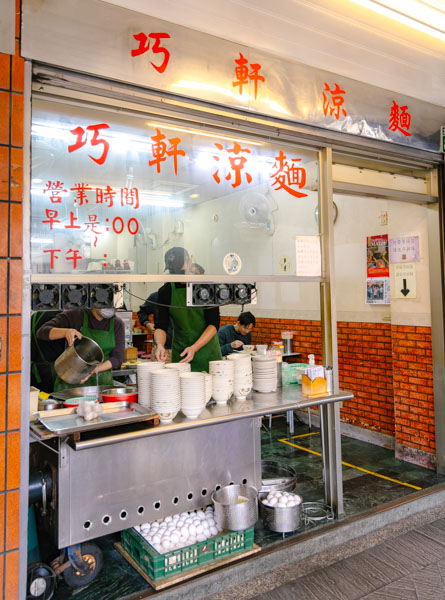
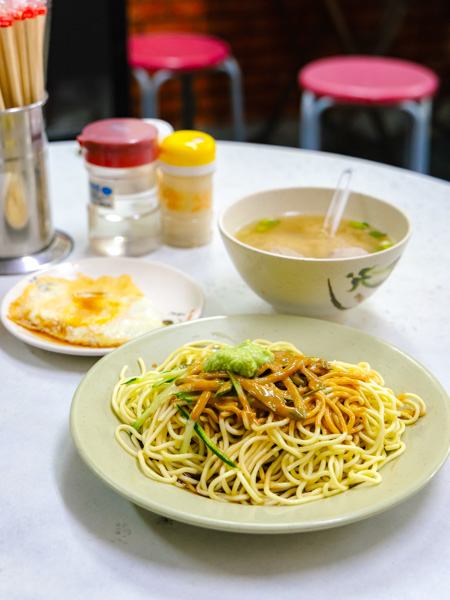
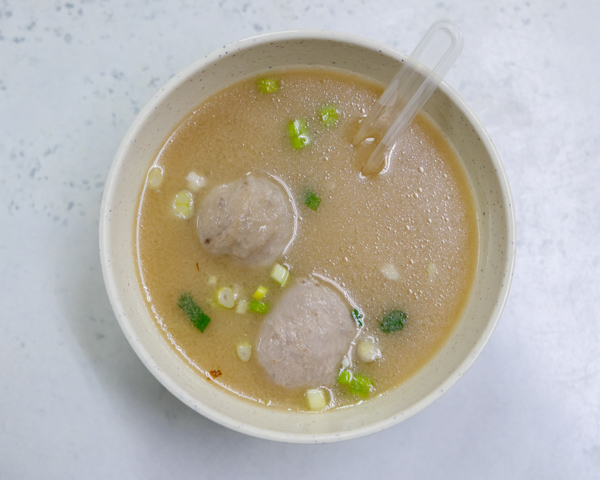
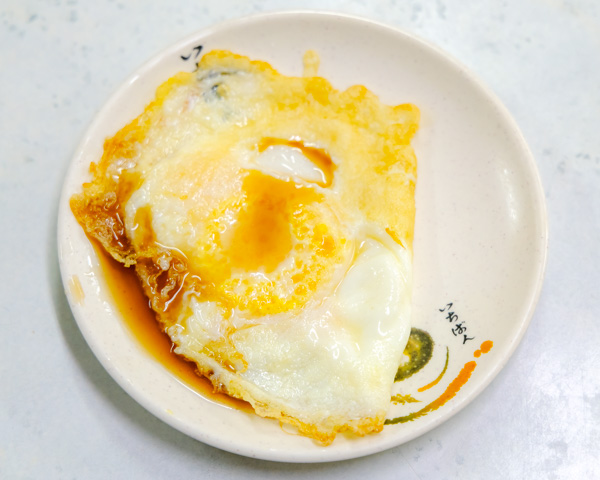
Typical of smaller Taiwanese restaurants, Qiao Xuan is fronted with a simple cooking area, with small tables and stools inside. There are a few outdoor seats as well. The signature cold noodles are topped with a silky, rich sesame sauce and julienned cucumber, which stick perfectly to the noodles as they’re mixed together. Add a touch of wasabi or chili paste for a dash of heat – regulars prefer the wasabi for the complexity it adds to the overall taste. Qiao Xuan’s only other menu items are perfect accompaniments to the noodles: poached eggs, scallion eggs, and soups. The miso meatball egg drop soup, savory and filling, is the most popular.
While thicker strands like the ones used in cold sesame-sauce noodles are well-known in Taiwanese cuisine, thin noodles such as mung-bean and rice vermicelli are also popular.
Qiao Xuan Cold Noodles| 巧軒涼麵
Add: No. 8, Beining Rd., Songshan Dist., Taipei City
(台北市松山區北寧路8號)
Tel: (02) 2577-7477
Hours: Tue-Sat 5am-1:30pm
Glass Noodles
Chang Oriental
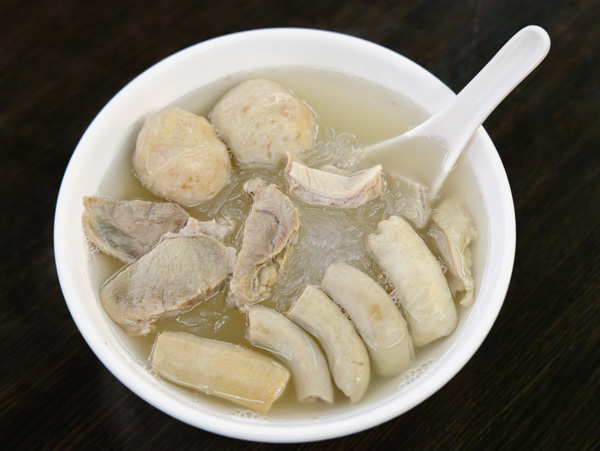
Thin glass noodles made with mung beans and thin rice noodles have been sating the appetites of Taipei’s working class for generations. Pork intestine is a popular addition in both noodle dishes, although one might also find pork jowl or meatballs. Thin rice noodles are also commonly served with oysters.
Established on Hankou Street near the bustling Ximending shopping and entertainment district, Chang Oriental is a legendary pillar of Taipei’s traditional food scene. While over the decades the surrounding neighborhood has transformed into a neon-lit hub for youth culture, Chang Oriental has remained steadfast, serving a focused menu that has barely changed. The shop prioritizes texture and the clean preparation of offal, especially pork intestine, a craft that requires great skill.
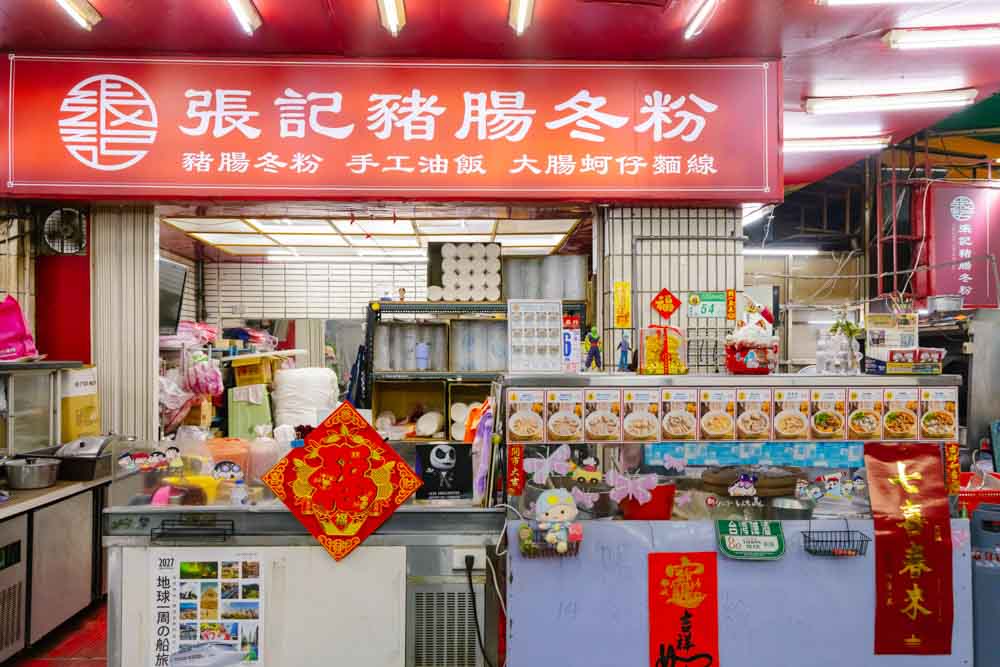
The hallmark of Chang Oriental’s glass noodles is the clear broth. Unlike many vendors that serve heavy, starch-thickened soups, Chang Oriental offers a light, translucent soup base brewed with pork bone and infused with subtle medicinal herbs and a signature dash of rice wine. This clean base is designed to highlight the pork-intestine cuts, which are meticulously cleaned and slow-cooked until they reach a perfect “Q” texture: firm enough to be springy and chewy but tender enough to be properly eaten. For those who don’t care for intestine, the noodles are also available with pork jowl or meatballs.
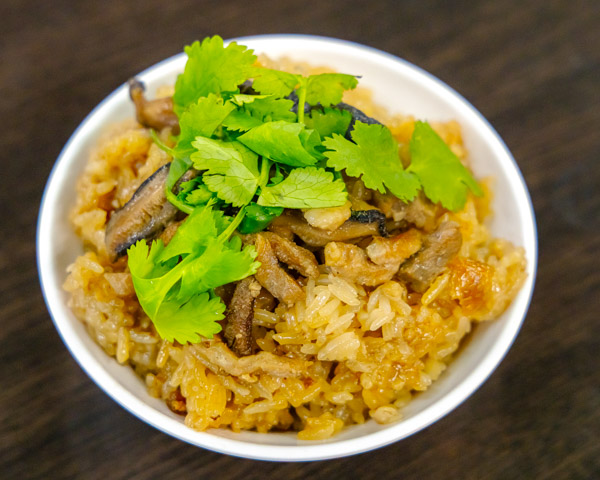
An important part of any visit to Chang Oriental lies in the containers found on every table storing spicy pickled cabbage. This fermented, fiery condiment is the shop’s secret weapon. Regulars typically start by sipping the original clear soup to appreciate its purity, then add heaps of the spicy cabbage halfway through. The acidity and heat of the cabbage transform the broth into a completely different, robust dish. Also renowned is their oil rice, which is fragrant with dried shrimp and shallots, and their rice vermicelli with pork intestine or oysters.
Chang Oriental | 張記豬腸冬粉
Add: No. 54-14, Sec. 2, Hankou St., Wanhua Dist., Taipei City
(台北市萬華區漢口街二段54-14號)
Tel: (02) 2577-7477
Hours: Tue-Sun 11:30am-8pm
Rice Noodles
Zhouji Qiezai Noodles
Located near MRT Daan Station on Fuxing South Road, Zhouji Qiezai Noodles is a beloved local eatery. It represents the enduring legacy of old-school street food, having earned a reputation among locals for its consistent quality and nostalgic flavors. The shop maintains a welcoming and unpretentious atmosphere, with antique wood tables and stools, a floor of hexagonal terra-cotta tiles that reminds customers of a traditional Taiwanese farmhouse, and wood beams on the ceiling.
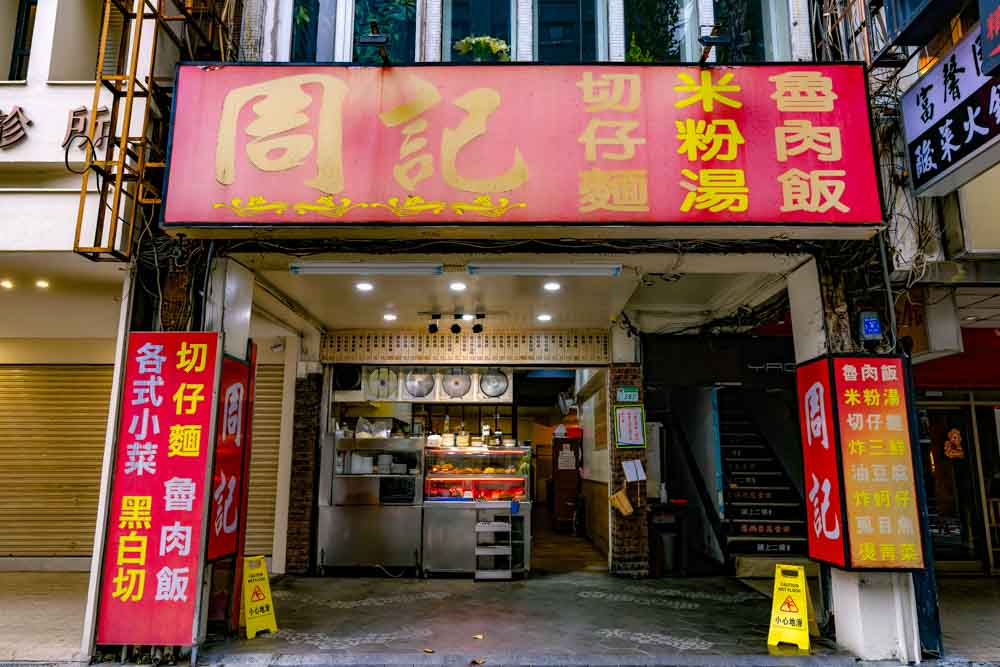
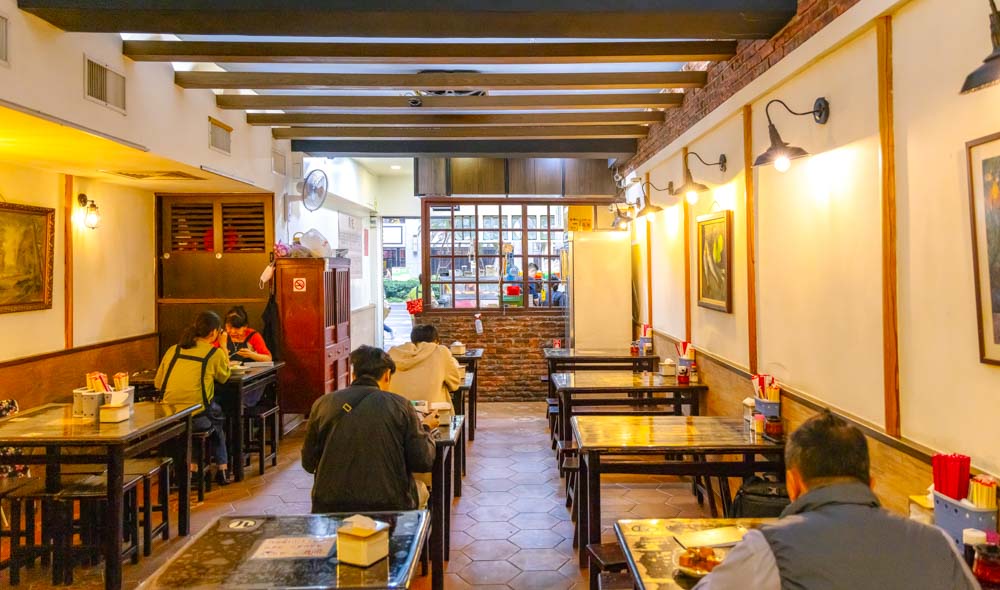
Two stars on the menu, written prominently on the eatery’s shop sign, are mifen tang and tshì-á-mī (Taiwanese pronunciation). Mifen tang is one of Taiwan’s most beloved comfort foods – a simple, clear broth soup built around soft rice noodles. At Zhouji, the noodlesare in the thick, stubby style: closer in spirit to mitaimu, with a dense, slightly chewy texture that soaks up the savory pork-bone broth without losing its body.
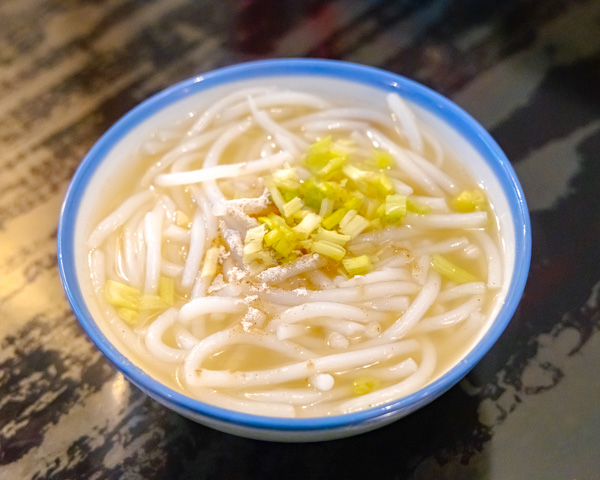
Tshì-á-mī (Taiwanese pronunciation), a noodle dish named after the tshì (shaking) motion of the deep, cone-shaped noodle strainer in boiling water. Yellow oil noodles are invariably used and served in a clear broth made from pork bone along with sliced lean pork, bean sprouts, garlic chives, and fried shallots. Zhouji is specifically known for the deep and complex but clear flavor of its pork broth.
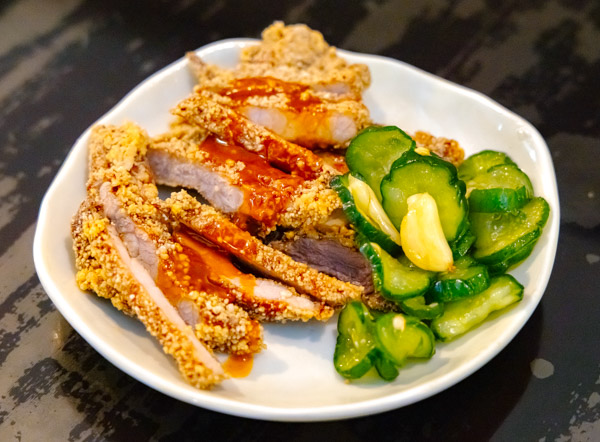
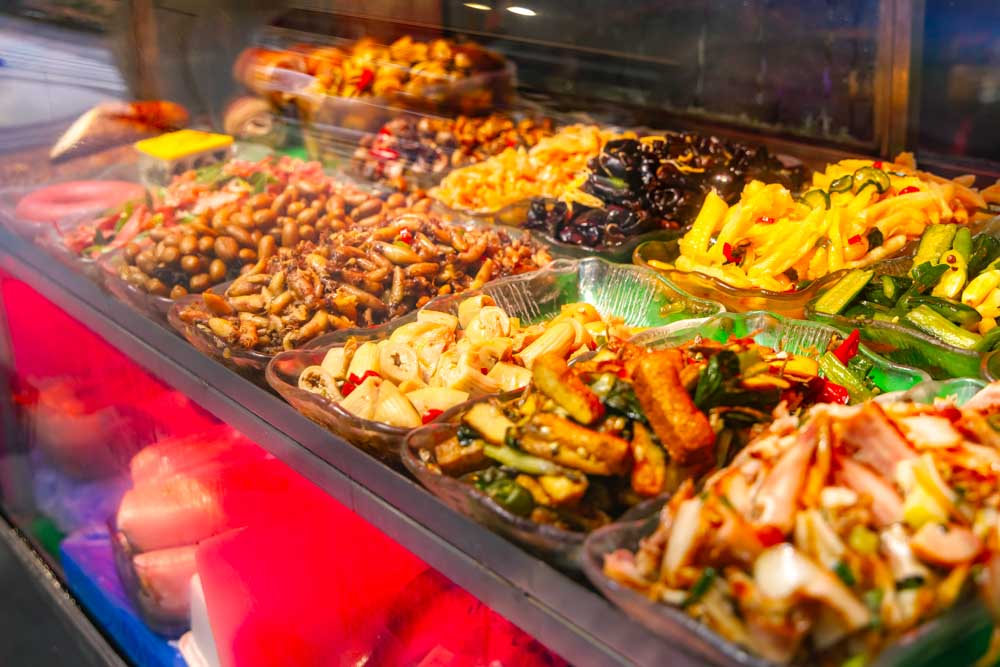
Mifen tang and Tshì-á-mī are rarely eaten alone. The typical accompaniment to make a full meal is “black and white cuts” or heibai qie, a traditional assortment of carefully cut and blanched side dishes, often made with offal. Zhouji is known for its extensive selection of heibai qie: the glass display case at the entrance acts as a tempting gallery of Taiwanese delicacies.
Zhouji Qiezai Noodles| 周記切仔麵
Add: No. 267, Sec. 1, Fuxing S. Rd., Da’an Dist., Taipei City
(台北市大安區復興南路一段267號)
Tel: (02) 2703-5669
Hours: Tue-Sun 11am-10pm